


Walk into any café today, and you’ll immediately notice the shift—paper cups replacing plastic ones, fiber containers taking the place of foam. It’s a transformation we see everywhere, from local diners to global fast-food chains. But how many of us stop to ask: Is this move to paper packaging really solving our environmental and safety worries, or are we just trading one set of problems for another?As consumers, we’re all more mindful of “greener” labels these days—but that awareness has also made us more skeptical. We want to know: What’s really in that paper takeout box or coffee cup? Is it truly better for the planet, and more importantly, is it safe for our food? Let’s dive into the science behind the paper vs. plastic debate, separating fact from hype with real research and industry insights.
TABLE OF CONTENTS
- Paper Packaging Isn’t Perfect
- Paper’s Porosity Is a Hidden Danger
- The PFAS Problem- “Forever Chemicals” in Your Paper Cup
- Recycled Paper Packaging: Good Intentions, Bad Execution?
- Better Alternatives to Traditional Paper & Plastic
- How to Spot Legitimate Sustainable Packaging
- Sustainable Packaging Can’t Be a Hassle
- Paper Can Be Better Than Plastic—But Only If It’s Done Right
- How to Make Informed Choices
- The Future of Food Packaging: It’s Not Paper vs. Plastic—It’s Better

Paper Packaging Isn’t Perfect
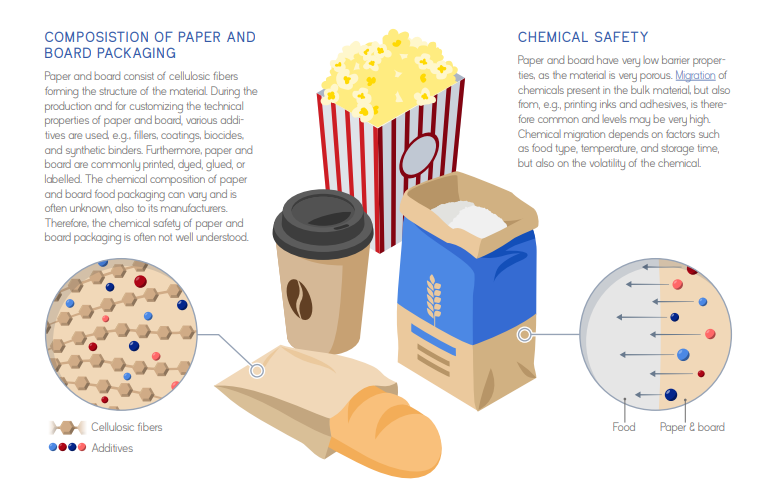
We’ve all been told that paper is the “eco-friendly” alternative to plastic—but the reality is far less black and white. Even the most well-meaning switch to paper can hide unexpected downsides, all tied to how paper is made and what’s added to it to make it work for food.At its core, paper is made from cellulose fibers—think wood pulp. But plain paper isn’t designed to hold hot soup, greasy fries, or cold smoothies. To make it food-safe, manufacturers have to add a long list of additives: fillers to bulk it up, barrier coatings to keep liquids in, biocides to prevent mold, and synthetic binders to hold it all together.A 2024 analysis from the Food Packaging Forum found that most paper food packaging makers can’t fully tell us what’s in their products. Why? Proprietary formulas and tangled supply chains mean we’re often in the dark about the chemicals we’re indirectly eating with our meals.
Paper’s Porosity Is a Hidden Danger
This lack of transparency isn’t just a buzzkill—it’s a real safety concern. Unlike plastic, which has a tight, dense molecular structure that keeps chemicals from leaching into food, paper is naturally porous. That means any additives in the paper can seep into your food, especially when conditions are just right.What makes this leaching worse? Heat (like your hot coffee or pizza), oily or acidic foods (think tomato sauce or fried chicken), and even how long the food sits in the packaging. The European Food Safety Authority (EFSA) has run tests that confirm this: In some cases, the chemicals leaking from paper packaging exceed safe limits—especially with hot, greasy foods. This isn’t a rare occurrence; it’s a well-documented risk we can’t ignore.
The PFAS Problem- “Forever Chemicals” in Your Paper Cup
If there’s one hidden risk you need to know about, it’s PFAS—per- and polyfluoroalkyl substances, also known as “forever chemicals.” These are the chemicals manufacturers use to make paper packaging waterproof and grease-resistant (ever wondered how your paper fry box doesn’t get soggy?).The irony here is painful: We’re ditching plastic to help the planet, but we’re replacing it with paper coated in chemicals that are even more harmful to the environment and our health. PFAS are called “forever chemicals” because they don’t break down in nature—they build up in soil, water, and even our bodies. The U.S. Environmental Protection Agency (EPA) classifies some PFAS as likely carcinogens, and long-term exposure is linked to serious health issues like liver damage and hormone disruption. Worse, many paper packages have PFAS levels that exceed recommended safety limits.
Good Intentions, Bad Execution?
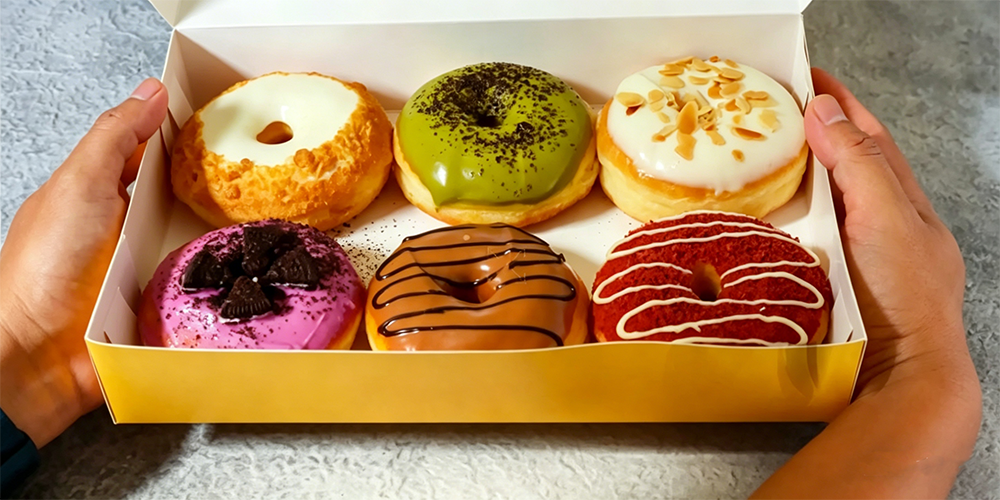
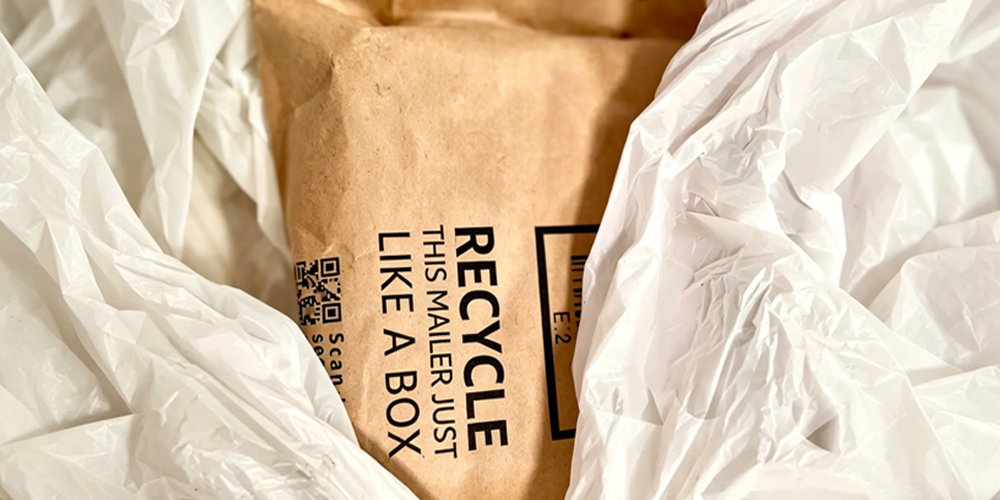
You might think recycled paper is the answer—and it sounds great in theory. But recycled paper packaging comes with its own set of challenges, especially when it’s used for food.Plastic recycling systems are getting better at separating food-grade plastic from non-food plastic, but paper recycling is a free-for-all. Recyclers mix all kinds of paper together: newspapers, thermal receipts, magazines, and used food containers. This cross-contamination means chemicals from non-food paper (like mineral oil from printing inks or bisphenols from receipt paper) end up in food-contact packaging.And it gets worse with each recycling cycle. Even when fresh fibers are added to keep the paper strong, the chemicals build up in the fiber matrix. So that “reedcycl” paper cup you’re using might be carrying more hidden chemicals than you realize.
Better Alternatives to Traditional Paper & Plastic
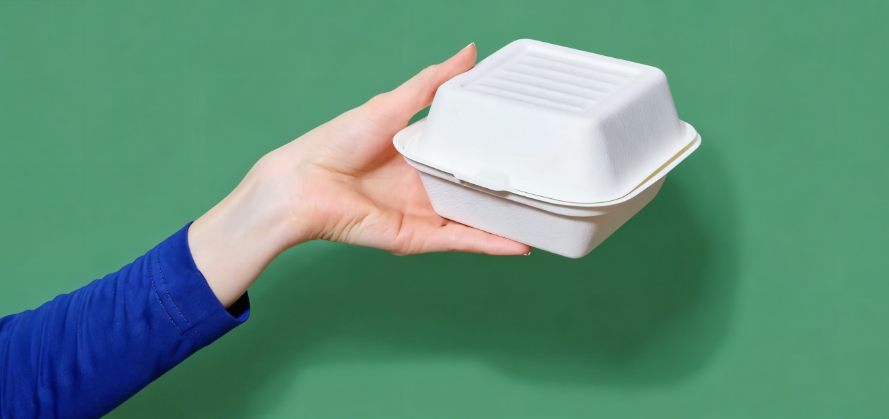
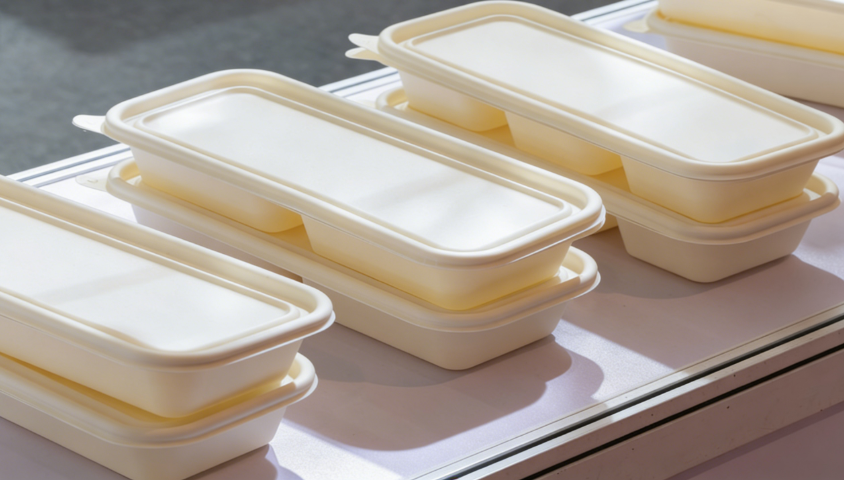
We don’t have to choose between plastic’s harms and paper’s hidden risks. Advances in material science have given us viable alternatives that are both safe and sustainable—all thanks to agricultural by-products.One of the most promising options is sugarcane bagasse—the fibrous leftover after sugar is extracted from sugarcane. Unlike traditional paper, sugarcane bagasse is naturally strong, heat-resistant, and grease-resistant. That means no need for PFAS coatings or harsh chemicals to make it work for food.When processed properly, sugarcane bagasse packaging can handle hot foods without leaching harmful substances, and it’s fully compostable in commercial facilities. This isn’t just a lab experiment, either—there are real-world options: biodegradable takeout containers and beverage cups made from sugarcane bagasse, cornstarch, and wheat straw fiber. These products are free of “forever chemicals,” validated as food-safe, and meet strict certifications like BPI, FDA, and OK COMPOST.They prove that we don’t have to sacrifice performance for sustainability. You can have a takeout box that doesn’t leak, a coffee cup that doesn’t get soggy, and a product that’s actually good for the planet.
How to Spot Legitimate Sustainable Packaging
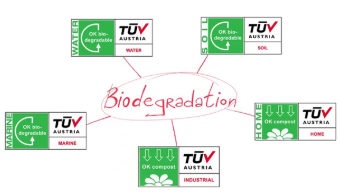
With 2026 bringing stricter regulations on sustainable packaging, it’s more important than ever to separate genuine eco-friendly options from “greenwashing”—brands that make false or exaggerated sustainability claims.Third-party certifications are your best defense. Certifications like BPI (Biodegradable Products Institute) compostability, FDA food-contact approval, and ASTM D6400 provide independent proof that a product lives up to its claims. For both businesses and consumers, these certifications are a reliable benchmark: If a manufacturer can’t show independent test results proving their packaging is safe and compostable, you should be skeptical of their “green” claims.
Sustainable Packaging Can’t Be a Hassle
Even the most eco-friendly packaging is useless if it doesn’t work. Imagine getting a takeout order where the box collapses, the soup leaks, or the container melts in the microwave—you’d never use that brand again.Consumer feedback and industry surveys back this up: Functional failure is one of the biggest reasons people abandon sustainable packaging. That’s why material engineering is so important—sustainable packaging has to be both good for the planet and practical for everyday use.Take those sugarcane bagasse products we mentioned earlier: They’re designed to handle the chaos of real-life food service—hot pizzas, cold smoothies, messy tacos—without breaking, leaking, or compromising safety. They solve the biggest pain point of sustainable packaging: making eco-friendly choices easy and reliable.
Paper Can Be Better Than Plastic—But Only If It’s Done Right
So, is switching from plastic to paper worth it? It depends—entirely on what the paper is made of, what chemicals are added to it, and how it’s used.Traditional wood-pulp paper coated with PFAS isn’t better than plastic—it’s just a different risk. Recycled paper, while well-meaning, brings unavoidable contamination risks when used for food. But certified plant-fiber packaging made from agricultural by-products? That’s real progress. It bridges the gap between environmental responsibility and practical performance, moving beyond token “green” gestures to something meaningful.
How to Make Informed Choices
Whether you’re a business choosing packaging or a consumer buying food—follow this simple framework:
1. Prioritize materials made from agricultural by-products (like sugarcane bagasse) over virgin wood pulp.
2. Check that the packaging is free of PFAS and other “forever chemicals.”
3. Make sure it meets performance standards (no leaking, no collapsing!).
4. Demand third-party certifications to back up sustainability claims.
5. Ask for transparency in the supply chain—where does the material come from, and what’s in it?
When these criteria are met, switching from plastic to paper is scientifically sound and good for the planet. When they’re not, you’re just perpetuating the same old risks under the guise of “sustainability.”
The Future of Food Packaging: It’s Not Paper vs. Plastic—It’s Better
The global shift to sustainable food packaging is inevitable—but its success depends on making smart, informed choices. The question isn’t “Should we abandon plastic?” It’s “How do we abandon plastic in a way that protects both the planet and our health?”By focusing on material science, prioritizing third-party verification, and demanding packaging that works in real life, we can turn the “paper vs. plastic” debate into a catalyst for real change. Paper can be better than plastic—but only when it’s designed responsibly, with transparency, safety, and true sustainability at its core.
|
Need a Private Label Service for Your Zero Waste Business? Our professional eco-team offers consulting services to help you develop a comprehensive RNEWABLE packaging solution, including private label production for your business.Contact us to align your business with sustainable practices and achieve your zero-waste goals together. |
RELATE POST


