


For food business owners, the right packaging is more than just a container—it’s a way to protect your brand and keep customers satisfied. Yet many eco-friendly packaging options fail to live up to their promises, leaving food soggy, customers frustrated, and businesses facing unnecessary losses. The key to avoiding this lies in understanding how greaseproof and waterproof packaging works, beyond just a label.Plant-based packaging materials, such as those made from sugarcane fiber, wheat straw, or bamboo pulp, are popular for their environmental friendliness—but their natural porous structure means they need extra processing to prevent leaks. The core of effective, leak-proof packaging lies in two key steps: fiber refinement and barrier protection, both of which work together to keep oil and moisture at bay.
TABLE OF CONTENTS
- 1. Fiber Refinement: The Foundation of Leak-Proof Performance
- 2. Barrier Protection: The Key to Long-Lasting Performance
- 3. Temperature Adaptability: A Often Overlooked Factor
- 3. Temperature Adaptability: A Often Overlooked Factor
- 4. How to Choose Reliable Eco-Friendly Packaging
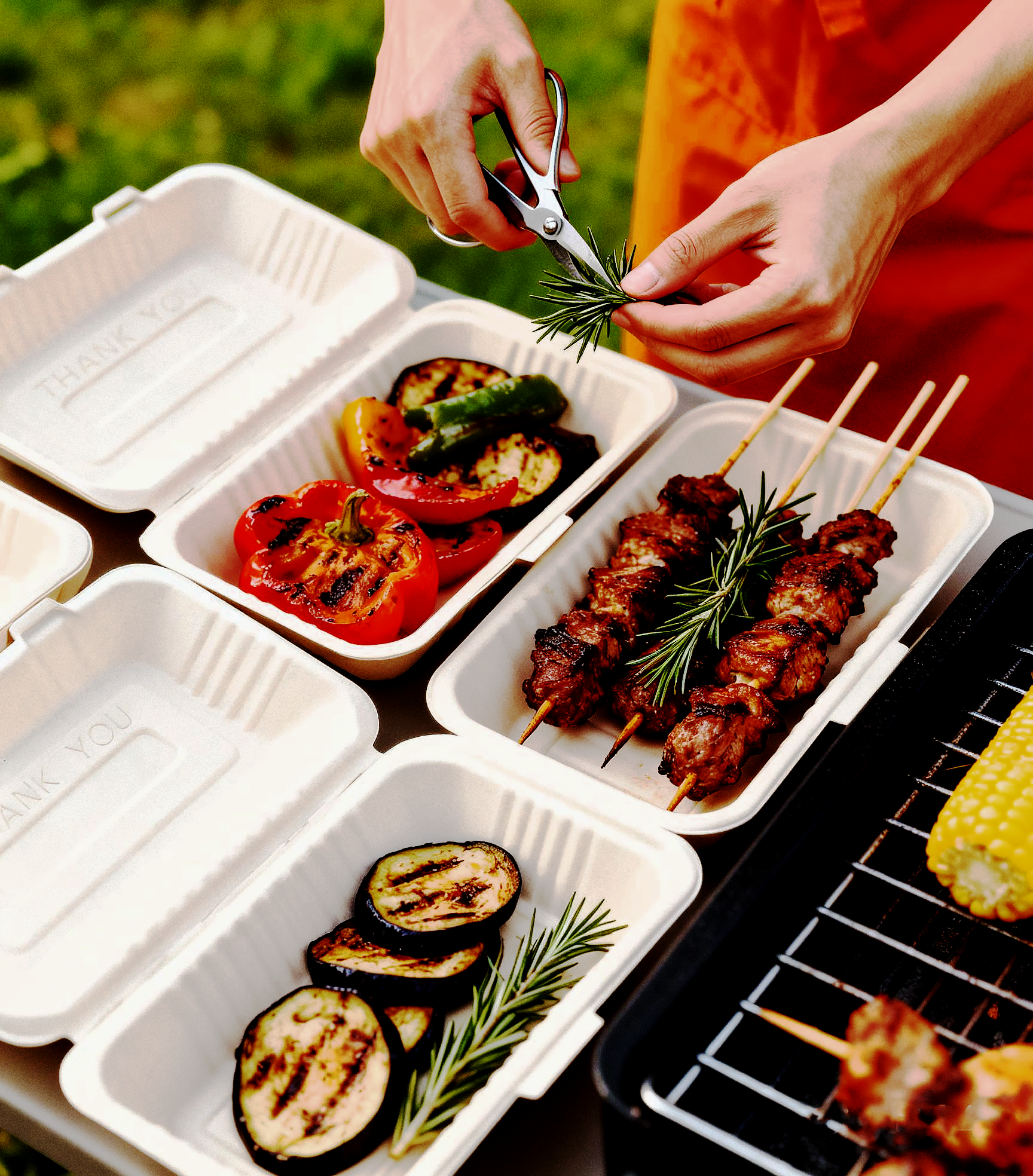
Fiber Refinement: The Foundation of Leak-Proof Performance
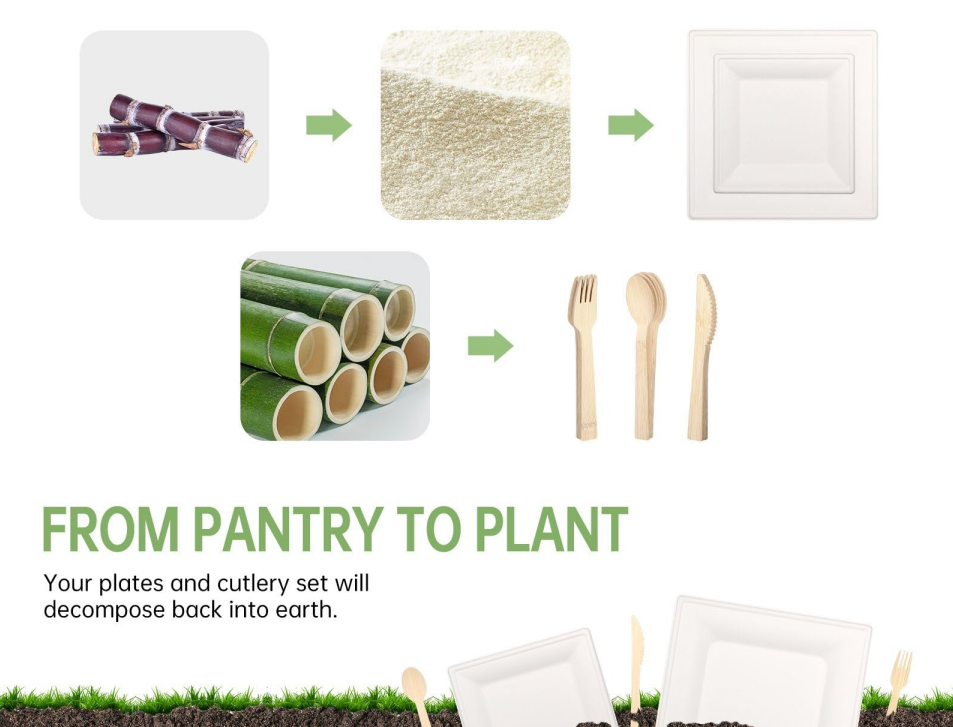
The first step to creating functional, leak-resistant packaging is refining the base material. Raw plant fibers—whether from sugarcane, bamboo, or wheat straw—are often too porous on their own. Through professional pulping and high-pressure pressing, these fibers are compressed to reduce gaps, creating a denser structure that naturally resists oil and moisture. This process eliminates the "loose" texture that leads to seepage, without the need for excessive chemical treatments.For example, a well-processed sugarcane fiber container has a tight, uniform structure that minimizes air pockets, making it far less likely to absorb oil or water than a poorly processed alternative. This physical refinement is the first line of defense against leaks, even before any additional coatings are applied.
Barrier Protection: The Key to Long-Lasting Performance
Even with refined fibers, tiny gaps may remain—this is where barrier treatments come in. Unlike harsh chemical coatings that compromise safety, modern solutions use food-safe, plant-based or water-based barriers that seal those small gaps without adding harmful substances. These coatings are designed to withstand daily use, ensuring they don’t soften or degrade when exposed to heat.Common safe barrier options include water-based coatings that form a thin, flexible layer, or plant-derived waxes that create a natural seal. These treatments are non-toxic, compatible with compostable materials, and avoid the "forever chemicals" that can harm both people and the environment. They work by blocking oil and water from penetrating the packaging, without altering its eco-friendly properties.
Temperature Adaptability: A Often Overlooked Factor
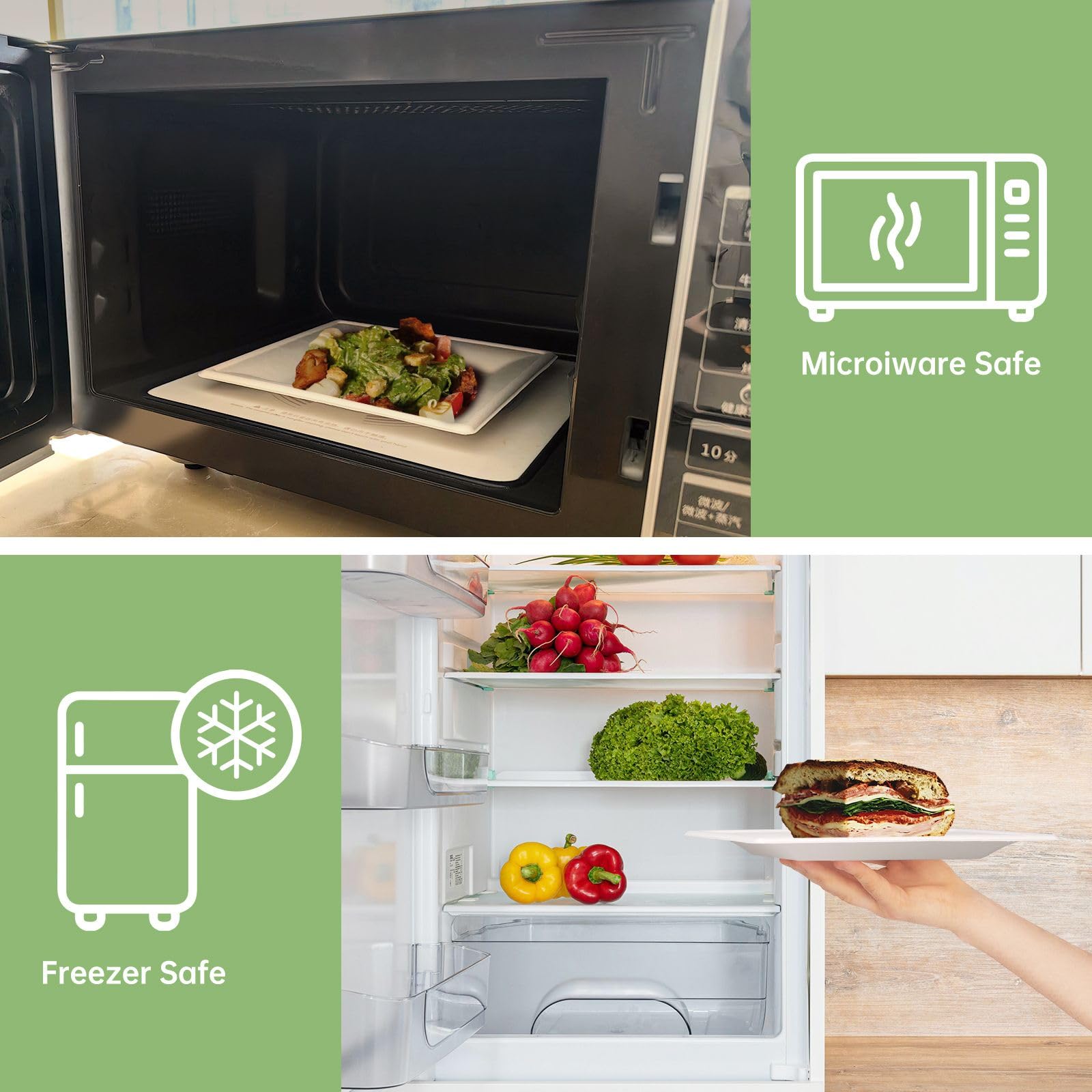
One of the most common reasons eco-friendly packaging fails is a lack of temperature resistance. Hot foods—like freshly cooked soups, fried items, or warm beverages—can reach temperatures between 70-90°C, which can soften low-quality materials or coatings. Reliable packaging uses treatments that remain stable at these temperatures, preventing the material from becoming soggy or misshapen.For instance, a container designed for hot soups or fried foods should maintain its structure even when held for 30+ minutes, without leaking or losing its shape. This requires both the fiber base and the barrier coating to be heat-resistant, ensuring consistent performance in real-world scenarios.
How to Choose Reliable Eco-Friendly Packaging
You don’t need to be a packaging expert to select the right product. Focus on three simple criteria:
- Fiber quality: Look for dense, well-processed materials that feel sturdy, not flimsy.
- Barrier type: Opt for water-based or plant-derived coatings, avoiding products with harsh chemicals.
- Temperature resistance: Confirm the packaging can handle hot foods without softening or leaking.
Avoid products that only rely on marketing labels ("eco-friendly," "waterproof") without clear performance details. The best packaging balances eco-friendliness with functionality—protecting both the environment and your business.
|
Need a Private Label Service for Your Zero Waste Business? Our professional eco-team offers consulting services to help you develop a comprehensive RNEWABLE packaging solution, including private label production for your business.Contact us to align your business with sustainable practices and achieve your zero-waste goals together. |
RELATE POST


