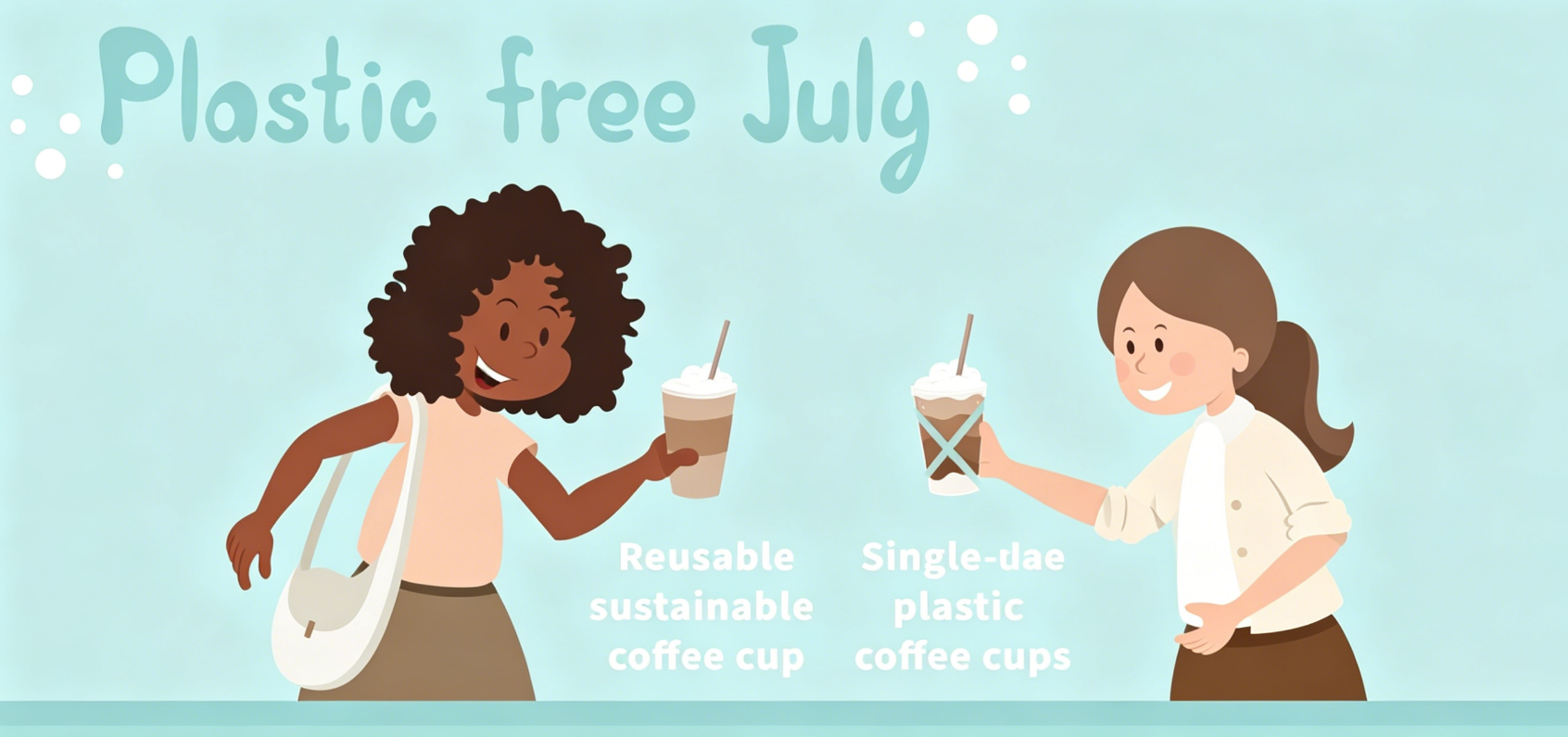
Join the global fight against plastic pollution! Discover how to get involved in Plastic Free July. From simple daily swaps to large-scale community initiatives, these actionable tips will help anyone build a sustainable, plastic-free lifestyle and contribute to a cleaner planet.
Currently, about 40% of the ocean's surface is covered with plastic waste. If current consumption trends continue, there will be more plastic than fish in the ocean by 2025. Most single-use plastic products take up to 500 years to decompose, leaving irreversible ecological damage across land and marine environments.
What Is Plastic Free July?
Plastic Free July is a global environmental initiative founded in Western Australia in 2011 by Rebecca Prince-Ruiz.
After touring a local recycling facility, Rebecca witnessed the limitations of plastic recycling: massive amounts of recycled waste are shipped overseas, buried in landfills, or discarded into nature. In most cases, recycling fails to solve the root cause of plastic pollution.
Understanding that large-scale reform was unrealistic overnight, she started small. She gathered a team of 40 local government staff to complete a one-month plastic reduction challenge, aiming to cut single-use plastic consumption in daily life.
What began as a small grassroots project has grown into a worldwide movement with millions of annual participants. In 2023 alone, Plastic Free July helped reduce 250 million kilograms of global plastic waste. Today, the campaign extends far beyond a one-month challenge, driving sustainable policy and operational changes for individuals, businesses and governments worldwide.
How To Get Involved In Plastic Free July
Take a moment to look around your space, and you will find plastic products everywhere. From food packaging to daily cleaning supplies, disposable plastic has become an unavoidable part of modern life.
Global plastic production hit 380 million tonnes in 2021. To put this staggering figure into perspective, one tonne equals the weight of an adult moose, a saltwater crocodile, a great white shark, or a classic 1979 Volkswagen Beetle. The majority of this plastic is manufactured for short-term disposable packaging, which quickly turns into permanent waste.
The Plastic Free Foundation is committed to raising long-term environmental awareness, pushing sustainable development across industries and regions. Fortunately, meaningful change does not require extreme lifestyle overhauls. Everyone can start with tiny, consistent adjustments.
Below are 12 practical and beginner-friendly tips to kickstart your Plastic Free July journey, covering daily household swaps and in-depth public initiatives.
12 Quick Plastic Swaps to Kickstart Your Plastic Free July
These simple swaps target the most common household plastic waste, requiring no complicated adjustments while delivering tangible environmental benefits:
1. Disposable plastic produce bags → Reusable mesh storage bags (Lightweight, washable and durable for grocery shopping and fresh food storage)
2. Thin plastic grocery sacks → Thick reusable fabric tote bags for long-term daily use
3. Plastic cling film & disposable snack baggies → Compostable kraft paper packaging (Plastic-free, breathable and fresh-keeping with zero microplastic pollution)
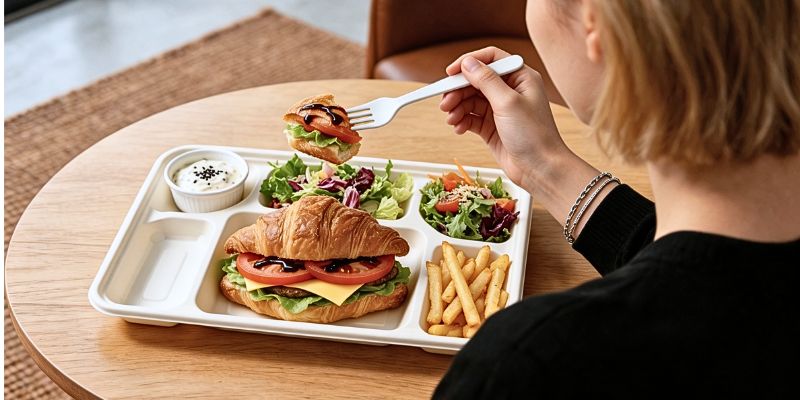
4. Single-use plastic takeaway containers → Leak-proof, heat-resistant biodegradable food boxes
5. Plastic straws & disposable cutlery → Reusable bamboo and stainless steel tableware sets
6. Disposable plastic water bottles → Durable reusable glass or stainless steel bottles
7. Plastic cleaning spray bottles → Refillable reusable glass storage bottles
8. Plastic packing tape → Fully compostable paper tape for household packaging and sorting
9. Plastic dish brushes → Natural plant fiber cleaning brushes
10. Disposable plastic makeup wipes → Reusable cotton rounds
11. Plastic bottled toiletries → Solid soap bars and shampoo bars
12. Scattered plastic household packaging →All-scenario plastic-free packaging bundle for one-stop full-house plastic reduction
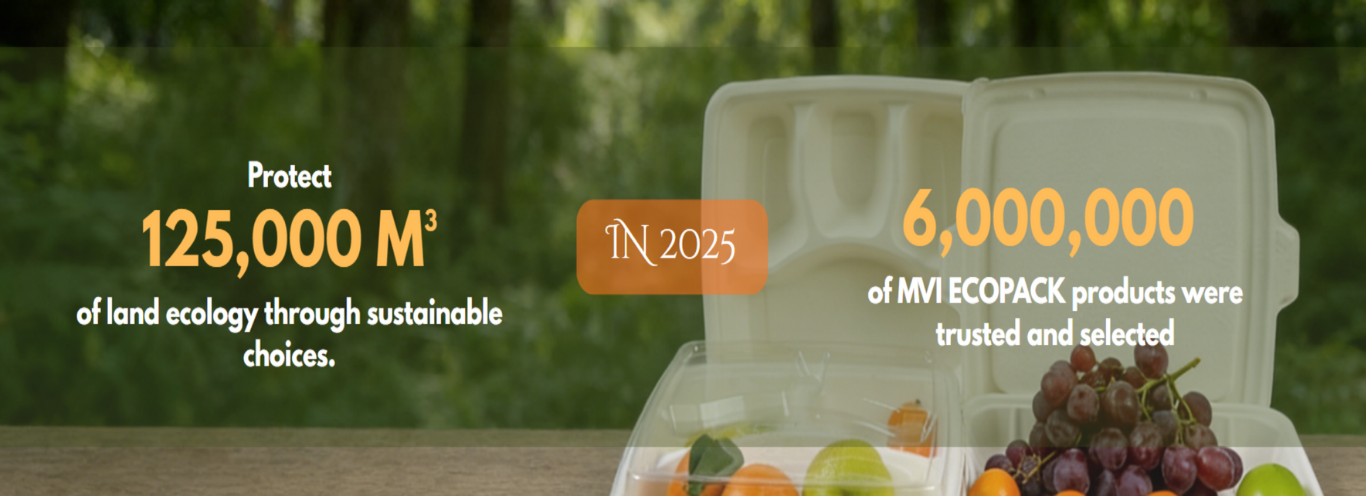
At MVIEcoPack, all our eco-friendly packaging solutions are designed for real modern lifestyles. Our reusable mesh bags, compostable food pouches and biodegradable takeaway boxes balance functionality and sustainability, making zero-plastic living simple and sustainable for every household.
Bigger Initiatives for Lasting Environmental Impact
Ready to go beyond personal daily swaps? These high-level actions can create long-term, far-reaching changes for communities and industries:
Workplace
Optimize office sustainability by removing single-use plastic packaging from communal areas. Set up bulk refill stations and encourage colleagues to adopt reusable tableware and storage solutions to cut workplace plastic waste.
Community
Organize or participate in local beach, park and roadside cleanups targeting plastic packaging waste. Support local businesses that adopt compostable, plastic-free packaging and share zero-waste knowledge within your community.
Social & Policy Advocacy
Follow official Plastic Free Foundation campaigns. Encourage local retailers and catering businesses to phase out disposable plastic packaging and adopt sustainable eco-friendly alternatives.
Small efforts accumulate into massive change. Take imperfect but steady steps, and every sustainable choice will protect our planet in the long run.
“I’ve tried many eco swaps for Plastic Free July before, but most were inconvenient for daily use. MVIEcoPack’s packaging products are sturdy, fresh-keeping, and truly zero-plastic. They make sustainable living effortless all year round.”
— Sarah M., Zero-Waste Lifestyle Supporter
Step Into Plastic Free July With Us
Plastic Free July is never just a 30-day challenge. It is a starting point for lifelong sustainable living. You don’t need a perfect zero-plastic lifestyle to make a difference — you just need to start.
This July, upgrade your daily habits with practical, reliable plastic-free packaging solutions. Choose MVIEcoPack, and turn every small daily swap into lasting protection for our planet.