


You’ve probably held that cup before—the one with “compostable” printed in soft green letters just below the rim. The fork next to it says “biodegradable,” the takeout box boasts “plant-based,” and every little detail feels like progress. But a few hours later, all of it ends up in the same trash bin—most of it buried underground or burned to ash. Between the promise on the label and where the item actually ends up, a question lingers: if it’s supposed to be compostable, why does it still become trash?
TABLE OF CONTENTS
- 1. The Material Works—But Only Where It's Supposed To.
- 2. The Infrastructure Gap Most People Don't See.
- 3. What Actually Happens After the Bin.
- 4. The Green Label Problem.
- 5. So, does biodegradable plastic actually make sense for your business?

The Material Works—But Only Where It's Supposed To
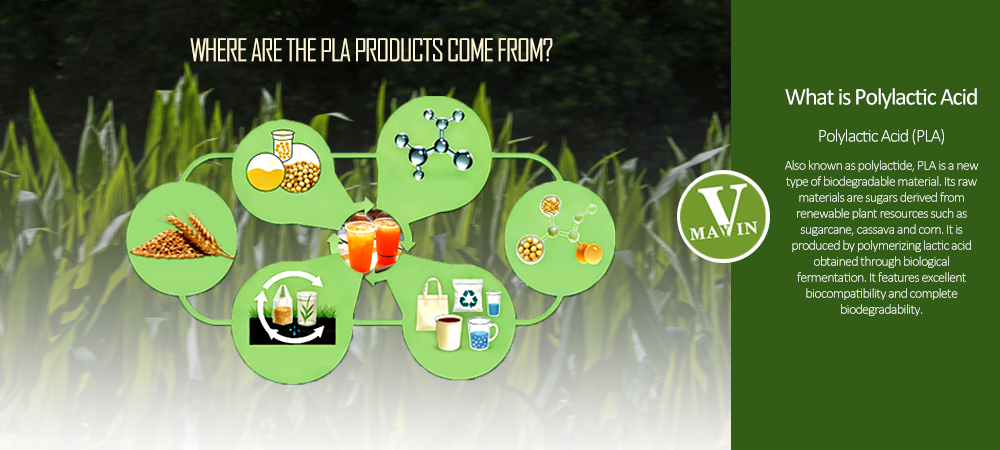
It’s easy to blame the material first—to assume “compostable” is just a marketing trick, that the cup isn’t really what it claims to be. But that’s not where the problem lies. PLA, the compostable plastic you’re most likely to encounter, is the real deal. Made from cornstarch or sugarcane, not petroleum, it truly breaks down completely under the right conditions—turning into water, CO₂, and biomass, with nothing left behind. A 2024 study across 10 U.S. composting facilities found that 98% of certified compostable plastics degraded properly when they actually made it into those systems. The material works. The real question is, does it ever get there?
The Infrastructure Gap Most People Don't See
One number changes everything: in the U.S., only about 35% of people have access to commercial composting services. In most parts of the world, that number drops to single digits. New York City ran a pilot program and uncovered a stark reality: compostable packaging makes up roughly 10% of the waste stream, but only 0.1% of it is actually collected for composting. That’s 10% of waste coming in and just a tenth of a percent being put to good use. The materials are there, but the systems to handle them aren’t. It’s like sending a package to a specific address, only to have it delivered to the wrong place—no one notices, no one corrects it, and it ends up wasted. This is where the type of material matters more than the label on it. Imagine you own a small café; you switch to PLA compostable cups because you want to do your part for the environment. But if your city doesn’t collect compost separately—and most don’t—those cups go straight into the general trash. Now compare that to a bagasse tray or sugarcane pulp container. They carry the same “eco-friendly” label, but their fate is quite unfamiliar if they miss the compost bin. They’re still plant fiber—they won’t sit in the ground for decades or break down into microplastics. A PLA cup, on the other hand, acts a lot like regular plastic when it ends up in the wrong place—it just stays there. That difference isn’t on the label, but it will show up in our soil years from now.
What Actually Happens After the Bin
You might think trash is sorted carefully after you drop it in the bin, but the reality is far messier and faster. Garbage trucks don’t have a special compartment for compostable cups—they get tossed in with fruit peels, paper, and regular plastic, all jumbled together. When they reach the processing facility, they follow the same path as regular trash: landfill, incineration, or mixed treatment. Compostable plastics end up here not because they’re faulty, but because no one in the waste chain is paid to tell them apart. After all, extra work means extra cost, and that’s not part of the process. What’s even more surprising is what happens when a compostable plastic ends up in a landfill: it doesn’t decompose. Landfills are airtight piles with no oxygen, and organic materials in that environment don’t break down cleanly—they produce methane. Methane traps more than 25 times more heat than CO₂ over a century. The cup that was supposed to turn into soil is now contributing to global warming. The EPA predicts that all U.S. landfills will eventually leak. So that compostable cup is designed to disappear? In the wrong conditions, it actually does more harm than a regular plastic cup that just sits there inert.
The Green Label Problem
Labels make this confusion worse, not better. “Compostable” and “biodegradable” look similar on packaging and feel the same in your hand, but they behave very differently. A product certified under ASTM D6400 or EN 13432 must achieve 90% biodegradation within 180 days under industrial composting conditions—sustained temperatures of 58–60 °C, controlled humidity, and specific microbes. “Biodegradable,” on the other hand, has no such timeline. Some biodegradable plastics fragment into smaller pieces within months but never fully break down; those fragments linger as microplastics. Yet 62% of consumers can’t tell the difference between these two terms. Nearly half put compostable items in recycling bins, contaminating those streams. The label on the package and the choice we make at the bin are talking past each other. For restaurant and café owners, this isn’t just a vocabulary mix-up—it hits your bottom line. Let’s say you order CPLA compostable forks, which cost more than regular plastic. You pay that premium because you expect them to break down. But if your city has no composting program, those forks go straight to the landfill, where they sit just like any other plastic. You paid extra for an outcome that will never happen—that’s the real cost of not understanding the difference. At MVI EcoPack, we break down how different materials perform after disposal so you don’t waste money on a label that doesn’t match your reality.
So, does compostable plastic actually make sense for Your Business?
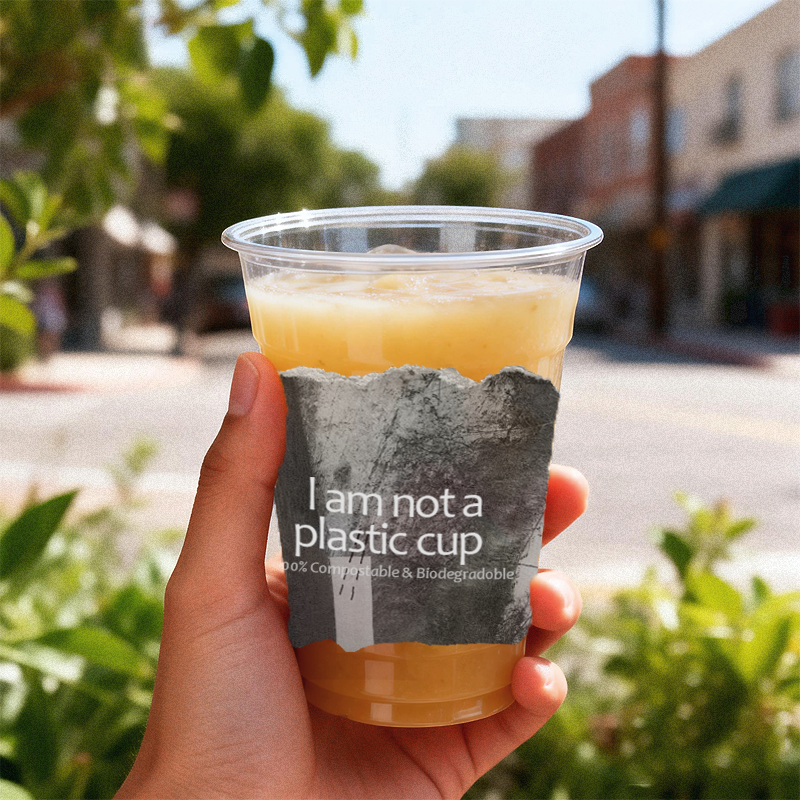
When choosing eco-friendly packaging, don’t just read the label or imagine an ideal disposal scenario. In places with well-established industrial composting facilities, fully certified PLA compostable packagingis the most sensible choice—it actually gets broken down and can feed back into the soil instead of lingering as waste. In areas where composting infrastructure is still immature and waste is mainly disposed of by landfill and incineration, catering merchants are advised to give priority to plant fiber tableware represented by bagasse products. Made from pure natural plant raw materials, such tableware brings lower pollution risks under conventional landfill and incineration treatment, with stable and reliable actual eco effects, which fits perfectly with the current mainstream waste disposal forms in most regions. MVI EcoPack has long been committed to providing differentiated eco-packaging matching services for global clients. Recommend targeted packaging materials for catering and takeaway industries, balancing eco performance, procurement cost, and actual service effect.
|
Need a private label service for Your Zero Waste Business? Our professional eco-team offers consulting services to help you develop a comprehensive RENEWABLE packaging solution, including private label production for your business. Contact us to align your business with sustainable practices and achieve your zero-waste goals together. |
RELATED POST
GO PLASTIC-FREE WITH ECO PACK: WAYS TO STEP INTO A ZERO-PLASTIC LIVING
Molded Fiber Tableware: Why This Plastic Alternative Actually Works—MVI ECOPACK
Why Sustainable Bagasse Packaging Is the Future of the Food Delivery Industry?


