


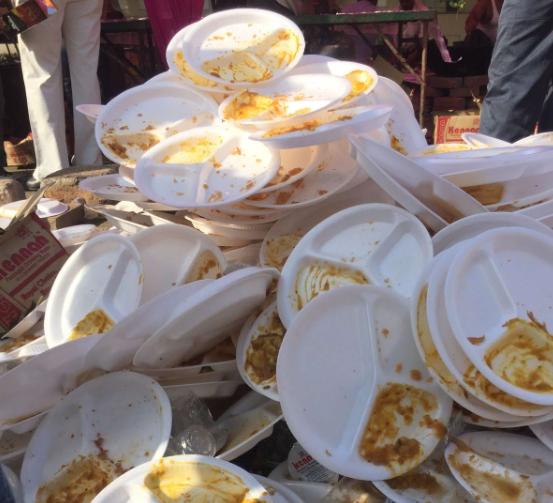
Campus dining halls are the heart of student life—but they’re also a hotspot for waste. Walk through any campus after lunch, and you’ll see the evidence: crumpled paper bags, plastic-lidded cups tossed in compost bins, flimsy containers that collapsed under the weight of a meal. For dining services directors, this isn’t just a mess—it’s a sign that well-meaning sustainability efforts are falling short.You’ve likely tried the basics: swapping plastic for “eco-friendly” alternatives, hanging posters about composting, and training staff. But the waste keeps piling up, and students are growing frustrated. Why does switching packaging feel like an endless battle?The answer lies in a critical mistake most campuses make: treating sustainable packaging as a simple product swap, not a holistic system.Campus dining is chaotic—students are in a rush, compost infrastructure is limited, and success depends on getting buy-in from everyone from first-years to faculty. Sustainable packaging can’t thrive in a vacuum; it needs to fit the unique rhythm of campus life.
The Campus Packaging Crisis: Numbers That Demand Action
- 51 million U.S. college students generate ~640 lbs of waste per person annually—38% of which is food packaging and single-use service items.
- Quality palm leaf and bagasse packaging composts in 60–90 days, while plastic can take 400+ years to break down.
- Over 23 U.S. states have banned single-use plastics in food service (2025)—with more joining each year.
Why Packaging Is Campus Sustainability’s Toughest Battle
Ask dining teams about their sustainability wins, and they’ll highlight local sourcing or food waste composting—valuable progress, to be sure. But packaging? That’s where most hit a wall.
Dining hall tableware is a closed loop: plates go out, come back, get washed, and repeat. You control every step. Takeout packaging is the opposite—once it leaves your dining hall, it enters a maze of dorm bins, off-campus dumpsters, and student backpacks you can’t manage. That loss of control makes institutions hesitant.
But that lack of control is exactly why packaging needs a different approach. As the Campus Zero Waste Coalition noted in 2024: “A takeout container doesn’t become sustainable when you buy it. It becomes sustainable when there’s a clear end-of-life pathway—composting, soil return, or recycling—that actually exists in your community.”
Eco-Friendly Packaging Materials: What Works (And What Doesn’t) For Campuses
Sustainable packaging labels are often misleading—manufacturers use vague terms to cash in on green trends. Below is a no-nonsense breakdown of materials tested in real campus settings:
✅ Materials Proven to Perform on Campuses
- Palm leaf (areca/fallen leaf): Made from naturally shed leaves—no deforestation, no chemicals. Withstands 250°F (121°C) heat (perfect for hot meals like chili or stir-fry) and composts in 60–90 days. Sturdy enough for stacked meals and resists oil/grease without coatings.
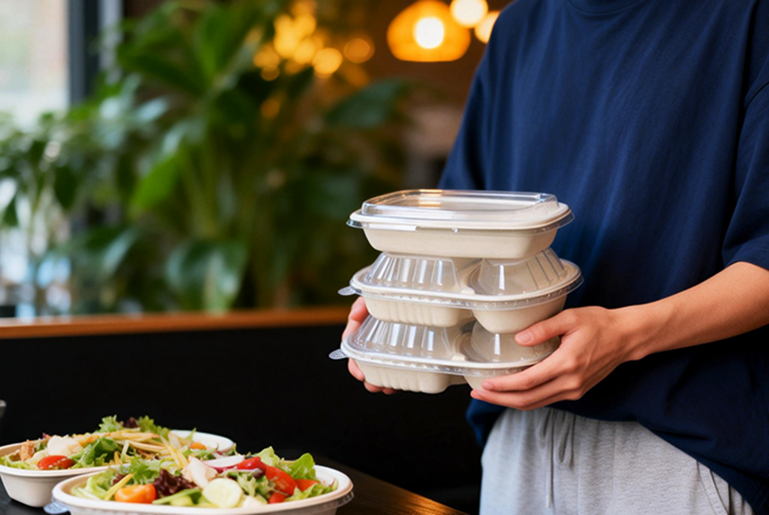
- Sugarcane bagasse: A byproduct of sugar production (the fibrous pulp left after juicing). Exceptional water resistance—no leaking soup or soggy salads. Certified compostable (ASTM D6400/EN 13432) and stackable, making it ideal for busy dining halls.
- Wheat straw fiber: Lightweight yet durable, great for lids, side containers, and trays. Composts quickly in municipal facilities and uses farm waste that would otherwise be discarded.
- FSC-certified Corn starch: Sturdy (no breaking mid-meal!) and home-compostable. Students prefer its feel over flimsy plastic, and it avoids the "soggy" issue of paper utensils.
- PLA (polylactic acid): Looks plant-based but requires industrial composting (140°F/60°C+)—a rarity for most campuses. Ends up contaminating regular compost or landfills, where it doesn’t decompose.
- "Biodegradable" plastics: Unregulated and misleading. Many take decades to break down; others leave microplastics. Only trust third-party compostable certifications.
- Plastic-coated paperboard: Appears recyclable, but the plastic layer makes both recycling and composting impossible. It’s just single-use waste in disguise.
Building a Campus-Ready Compostable Packaging System
Sustainable packaging only works as a complete ecosystem—every item a student touches (container, cup, utensil, napkin) must be compostable to the same standard. A single plastic lid or non-compostable straw can ruin an entire compost batch. Here’s how to build a cohesive system:
1. Palm Leaf Plates & Trays (Full Meals)
- Use case: Entrees like burgers, pasta bowls, or grilled chicken—anything that needs structural support.
- Campus benefit: No warping under hot food or heavy portions. The "fallen leaf to soil" story resonates with students, boosting sorting compliance.
- Pro tip: Opt for nested designs to save storage space in crowded dining halls.
- Use case: Sandwiches, wraps, salads, and side dishes—common campus staples.
- Campus benefit: Leak-proof seal prevents backpack spills (a top student complaint about eco-packaging). Stackable for efficient storage and delivery.
- Pro tip: Choose containers with vent holes for hot foods (like pizza or fries) to prevent condensation buildup.
- Use case: Coffee, tea, smoothies, and cold drinks—high-volume items in campus cafes.
- Campus benefit: Hot-safe up to 195°F (90°C) and cold-safe for iced beverages. Fiber lids eliminate plastic—avoid the "eco-cup with plastic lid" contradiction.
- Pro tip: Stock sleeve options for hot drinks to improve grip and reduce waste from napkin wraps.
- Use case: All meals—especially takeout where disposable utensils are a must.
- Campus benefit: Sturdy enough for soups, salads, and even tough foods like chicken wings. Home-compostable, so students can dispose of them off-campus too.
- Pro tip: Pre-wrap in compostable paper (not plastic) for grab-and-go stations.
- Use case: Dining hall takeout, café orders, and event catering.
- Campus benefit: No plastic coatings—composts without contamination. Bags hold heavy orders without tearing.
- Pro tip: Offer smaller napkin sizes to reduce waste (students rarely need full-size napkins for snacks).
- Use case: Iced drinks, smoothies, and milkshakes.
- Campus benefit: Maintains structure for 2+ hours (no soggy messes). Compostable and preferred by students over paper straws.
- Pro tip: Dispense near beverage stations—avoid pre-adding to cups to cut down on unused straw waste.
2. Bagasse Clamshells & Containers (Grab-and-Go)
3. Plant-Based Compostable Cups + Fiber Lids (Beverages)
4. Wooden Cutlery Sets (Utensils)
5. Uncoated Compostable Napkins & Bags (Extras)
6. Plant-Fiber Straws (Beverage Add-Ons)
5 Critical Steps to Launch (Before Ordering a Single Container)
Rushing to buy compostable packaging leads to costly mistakes (leaky containers, unused stock, student pushback). Follow these campus-tested steps first:
1. Audit Your Current Usage
- Count every disposable item (plates, cups, utensils, etc.) and track daily/weekly volumes. For example: If you use 500 clamshells daily but only 50 straws, prioritize switching clamshells first.
- Identify pain points: Are students complaining about leaky cups? Do containers collapse under heavy meals? Use this data to target solutions.
- Contact compost facilities within 30 miles to confirm what they accept (e.g., some don’t take PLA, but most accept bagasse and palm leaf).
- If no industrial compost is available, partner with local farms—many accept uncoated compostable packaging for soil amendment.
- Request free samples of top candidates and test them with your most challenging items:
- Pour hot soup into bagasse containers and let sit for 2 hours (check for leaks/warping).
- Stack palm leaf plates with heavy entrees (simulate dining hall storage).
- Freeze a smoothie in a plant-based cup (test cold resistance).
- Only order materials that pass your real-world tests.
- Ask 5 simple questions: What do you hate about current packaging? Would you sort compostable items if bins were convenient? What features matter most (leak-proof, sturdy, etc.)?
- Use feedback to adjust—e.g., if students want sturdier utensils, prioritize wooden cutlery over paper.
- Launch with your 3 highest-volume items (e.g., clamshells, cups, utensils) instead of a full overhaul.
- Track metrics: Waste reduction, student complaints, and compost facility acceptance. Adjust before adding more items.
2. Map Local Compost Infrastructure
3. Test Samples With Your Menu
4. Survey Students to Build Buy-In
5. Start Small, Measure, Expand
How to Get Students to Sort
Even the best packaging fails if students toss it in the trash. These campus-proven tactics boost sorting accuracy by 30–40%:
- Tell stories, not jargon: Replace "compostable" with simple language—e.g., "This container is made from sugarcane waste. It turns into soil in 2 months!" Print short origin stories on packaging.
- Make compost bins convenient: Place bins next to takeout windows, dorm entrances, and library cafes—not just in hidden corners. Label them with clear images (no text-only signs).
- Host a "Compost Showcase": Bring finished compost from local facilities to the dining hall. Let students touch and smell it—seeing the end product makes sorting feel tangible.
- Partner with student groups: Environmental clubs can lead tabling events, create social media content, and host "sorting challenges" (e.g., "Most composted items wins a free meal"). Peer influence drives compliance better than admin messages.
Why It Matters: Beyond the Environment
Sustainable packaging delivers tangible benefits for campuses:
- Regulatory compliance: Avoid fines from expanding plastic bans (switching proactively is 30–50% cheaper than rushing to comply).
- Recruitment appeal: 67% of Gen Z students factor campus sustainability into their college choice—packaging tells a visible story of your values.
- Cost savings: Reduced trash hauling fees (fewer containers in landfills) and compost rebates from local governments offset higher per-unit costs at scale.
- Community trust: Students, parents, and faculty appreciate tangible sustainability efforts—not just marketing slogans.
Common Questions
"What if students still throw compostable packaging in the trash?"
Some will—but even then, it’s better than plastic. Compostable materials break down in landfills (unlike plastic) and don’t release toxic chemicals. Improve sorting by moving bins to high-traffic areas and simplifying labels.
"Our compost vendor doesn’t accept compostable packaging—now what?"
Two solutions: 1) Partner with local farms or community gardens (many accept bagasse/palm leaf for soil). 2) Switch to "soil-applicable" materials (whole palm leaves, uncoated bagasse) that don’t need industrial composting.
"We switched to compostable containers—why isn’t waste down?"
You need infrastructure to match. If students have no easy way to compost, containers end up in trash. Add more bins, improve signage, and educate students—waste will drop once sorting is convenient.
Ready to Custom Your Solution?
Sustainable campus packaging isn’t about "going green"—it’s about building a system that works for your dining team, your students, and your community. The materials we’ve highlighted—palm leaf, bagasse, wheat straw, wooden cutlery, and plant-based cups—are proven to stand up to campus life, reduce waste, and align with regulatory demands.Every container, cup, and utensil should solve a real problem: leaky meals, flimsy utensils, or student frustration. By focusing on practicality first, you’ll create a sustainable program that lasts—not just a one-time switch.Explore our campus-tested, certified compostable packaging line—designed to fit the unique needs of college dining, from busy lunch rushes to late-night takeout. All materials are vetted for durability, compostability, and student acceptance.


