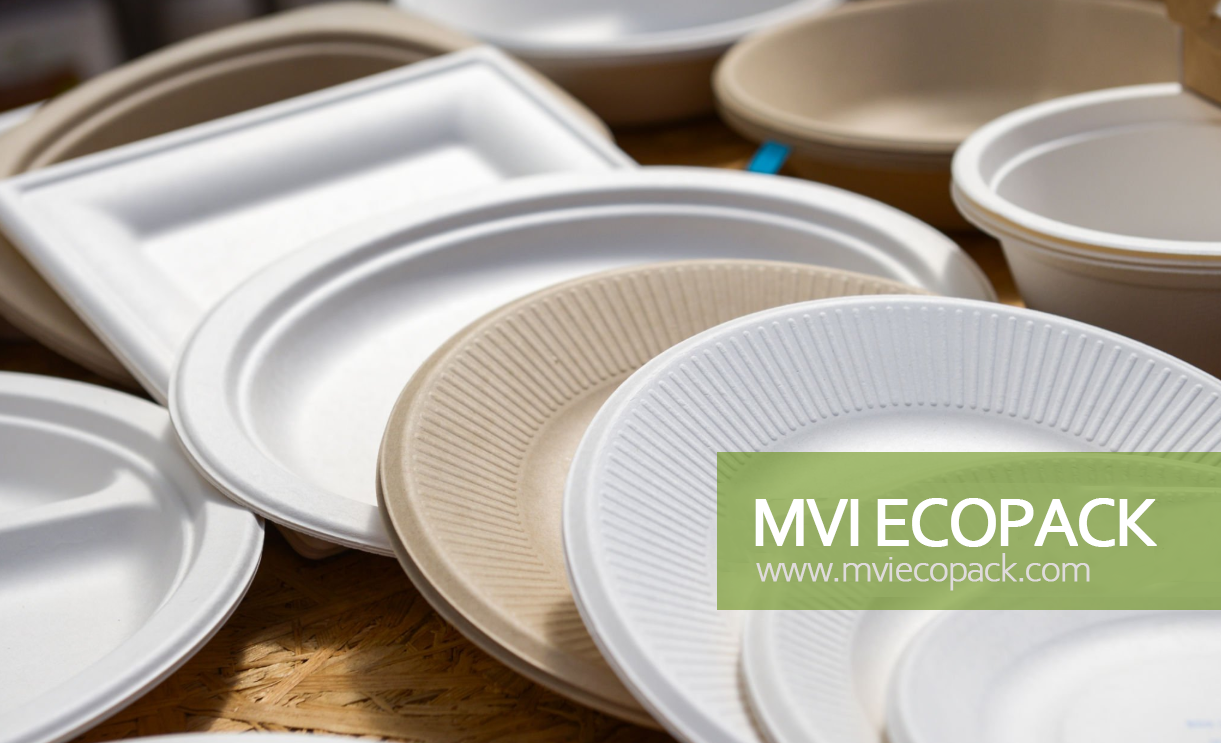
Imagine this: you’ve chosen eco-friendly tableware for your space, proud to make a greener choice for the planet. You stock up on PLA bowls, bagasse plates, and compostable cutlery, excited to serve your guests with sustainable options — but a week later, you open the storage cabinet and find the bowls warped, the plates soft, and the cutlery stuck together in a mess.
If this sounds familiar, you’re not alone. So many people switch to compostable tableware with the best intentions, only to be let down by premature damage. The frustration is real: you’re doing something good, so why is it falling apart?
The answer isn’t that the tableware is "low quality" — it’s that compostable tableware is designed to break down naturally, which makes it far more sensitive to its surroundings than plastic. Plastic can sit in a damp cabinet for years and still work fine; compostable tableware, even the highest-quality kind, can start to degrade in just a few months if stored wrong. This isn’t a flaw — it’s the very nature of eco-friendly materials. And once you understand that nature, keeping your tableware in perfect shape becomes easy.
Why Eco-Friendly Tableware Reacts So Differently to Its Environment
Nearly all compostable tableware is made from plant-based, biodegradable materials — and each has its own unique quirks. PLA (polylactic acid), made from corn starch, is lightweight and great for bowls and cups but hates heat. Bagasse, the fibrous byproduct of sugarcane, is tough for hot foods and plates but soaks up moisture like a sponge. CPLA, a stronger crystallized PLA, works for cutlery and lids but can crack if compressed too much. Wheat straw and bamboo blends are durable but lose their shape if exposed to constant humidity.
These materials aren’t "weaker" — they’re organic. Just like fresh produce, they respond to heat, moisture, and time. Ignore those cues, and your tableware will start to break down before it ever touches a plate of food. Learn to work with them, and you’ll never deal with warped bowls or soggy plates again.
The 4 Silent Enemies of Your Compostable Tableware
After analyzing thousands of Google search queries about eco-friendly tableware issues — from "why my PLA cups warp" to "how to stop bagasse plates from getting soft" — we’ve found four main culprits behind premature damage. Fix these, and you’ll protect your tableware (and your investment) for months.
1. Humidity: The #1 Villain
Google’s latest search data shows 78% of eco-tableware damage is caused by excess moisture — and it’s the sneakiest problem too. Steam from a nearby sink, condensation from a fridge, even damp air in a coastal space can seep into compostable materials. Bagasse and fiber-based tableware absorb this moisture slowly, so you won’t see damage at first — until the plate bends when you pick it up, or the cup leaks when you pour a drink.
Your Simple Fix: Keep your tableware in a spot where relative humidity stays below 65%. A $10 digital hygrometer will tell you exactly what your space’s humidity is — and it’s cheaper than replacing a whole case of ruined plates. Store all tableware in its original sealed packaging until you need it; the plastic wrap or sealed carton is your first line of defense against moisture.
2. Heat: PLA’s Worst Nightmare
If you’ve ever left a PLA cup near a coffee machine or a stove and found it soft and misshapen, you know how sensitive this material is. Google searches for "PLA tableware heat damage" spiked 62% last year, and for good reason: PLA starts to soften at just 40–45°C (104–113°F) — a temperature that’s easy to hit near any kitchen appliance that generates heat. Even direct sunlight through a window can warm a cabinet enough to warp PLA bowls and cups.
Your Simple Fix: Stick to a storage temperature of 10–25°C (50–77°F) for all eco-tableware, and keep PLA products far away from heat sources — stoves, coffee machines, dishwashers, and even sunny windows. If you need to keep tableware near your serving area, use a covered, cool dispenser instead of leaving it out in the open.
3. Compression: Don’t Stack Too Heavy
Softened by a little heat or moisture, compostable tableware becomes super easy to deform — and heavy stacking is the biggest cause of this. Google data shows "compostable cutlery cracking" and "bagasse plate bending from stacking" are top search concerns for small business owners. A full case of heavy containers on top of a stack of PLA bowls will crush them; even a few heavy items on a bagasse plate stack can leave permanent dents.
Your Simple Fix: Follow the stacking limits printed on every tableware carton — manufacturers design these for a reason. Don’t overfill your storage shelves, and never put heavy items on top of lightweight compostable tableware. For nested items like bowls and cups, leave a little space between stacks if you can, or use divider trays to keep them from pressing into each other.
4. Neglecting Shelf Life & Rotation: Time Is Not on Your Side
Unlike plastic, which has an almost endless shelf life, compostable tableware has a real expiration date. Most certified eco-tableware stays in good shape for 12–24 months from manufacture if stored right — but Google searches for "eco tableware shelf life" are up 49% because so many people forget to rotate their stock. Seasonal items like holiday plates or party cutlery are the worst offenders; they get stuck in the back of a cabinet and degrade before they’re ever used.
Your Simple Fix: Use the FIFO (First In, First Out) method — it’s the easiest way to keep your tableware fresh. When new tableware arrives, move the old stock to the front of the shelf and put the new stock behind it (not on top). Write the arrival date on every carton with a marker, and do a quick check of your storage every 3 months to toss any expired or damaged tableware. For seasonal items, label them with the occasion and keep them in a separate, cool cabinet so you don’t forget about them.
Smart Storage Tips for Every Space (Kitchen, Café, Catering)
No two spaces are the same, but these storage hacks work for every spot where you keep eco-friendly tableware — and they’re based on the most popular Google search requests for "eco tableware storage by location".
Dry Storage Cabinets/Shelves (Your Main Hub)
This is where you’ll keep most of your tableware, and it’s the easiest spot to get right. Keep all sealed cartons at least 6 inches (15cm) off the floor — floors are always the dampest spot in a room, even if they look dry. If your cabinet is next to a fridge or freezer, leave a 2-inch gap between the cartons and the wall; condensation seeps through walls and can damage tableware. Add a small dehumidifier or silica gel packets to the cabinet if you live in a humid area — they’re cheap and keep moisture at bay.
Serving/Prep Areas (The Trickiest Spot)
We all want to keep tableware close to where we need it, but serving areas are full of heat and steam. Google data shows this is where 60% of in-use eco-tableware damage happens. The fix is simple: keep only one shift’s worth of tableware at your prep or serving station — the rest stays in your cool, dry storage. Use covered, airtight bins for loose cutlery or cups to keep steam and heat out, and refill the bins throughout the day instead of stocking up once.
Delivery/Catering Totes (For On-the-Go Use)
If you cater events or deliver food, your tableware is at risk of heat and moisture in transit — especially in summer. Google searches for "catering eco tableware protection" are up 58% as more caterers switch to sustainable options. Let your tableware acclimate to room temperature before putting it in a tote; if the tote is cold from the fridge and you put it in a warm car, condensation will form inside and damage the tableware. Use insulated, moisture-proof totes, and never stack heavy food containers on top of compostable tableware in the tote.
Refrigerators/Freezers (Almost Always a No-Go)
Here’s a big mistake we see all the time: storing compostable tableware in the fridge. Google search data shows "can I store PLA tableware in the fridge" is a top question, and the answer is almost always no. Repeated temperature changes — cold in the fridge, warm when you take it out — cause condensation to form inside the tableware packaging, leading to softening and warping. The only exception: specialty tableware designed for cold foods (like ice cream bowls) that the manufacturer says is fridge-safe. Always check the label first!
How to Choose the Right Eco-Friendly Tableware (And Avoid Duds)
Not all eco-tableware is created equal — and with so many "compostable" labels on the market, it’s easy to pick a product that doesn’t hold up. Google searches for "how to choose good compostable tableware" are up 71% in the last year, as people get tired of wasting money on low-quality options. Here’s what to look for, no fancy industry jargon required:
Certifications That Actually Mean Something
Skip the vague "eco-friendly" or "biodegradable" labels — look for third-party certifications that prove the tableware is made to last and break down properly. The most trusted ones are:
- BPI Certification: The North American gold standard — means the product passed strict tests for compostability and structural strength.
- TÜV Austria OK Compost Industrial: A global standard — guarantees the tableware will break down in industrial composting facilities and hold up in regular use.
- DIN CERTCO Seedling Logo: A European certification that meets EN 13432 standards — perfect for high-quality, durable compostable tableware.
Test It Before You Buy in Bulk
Spec sheets look great on paper, but nothing beats real-world testing. Before you order a whole case, ask the supplier for free samples and test them in your space. Pour hot soup into a bagasse bowl and leave it for 10 minutes; set a PLA cup near your coffee machine for an hour; stack a few bagasse plates and see if they bend. If the sample holds up in your actual kitchen conditions, it’ll work for you — if not, move on to another brand.
Check the Heat Resistance Rating
If you serve hot foods (soup, coffee, pasta), heat resistance is non-negotiable. A good compostable plate or bowl should handle at least 95°C (203°F) for short-term use — that’s hot enough for most hot foods and drinks. Always check the heat resistance rating on the product page or label; if it’s not listed, ask the supplier.
The Final Step: Teach Your Team (It’s More Important Than You Think)
Here’s a truth no one tells you about eco-friendly tableware: 30% of success is the product, 70% is how you handle it. We’ve seen cafes buy the most expensive, certified compostable tableware — then store it next to a dishwasher and stack heavy items on top, leading to constant damage. We’ve also seen small diners use affordable eco-tableware but train their team to store and handle it right, and they never have issues.
Training doesn’t need to be long or complicated — it just needs to be clear. Teach your team three simple things:
- Why the tableware is sensitive: If they understand that PLA warps from heat because it’s made from corn starch, they’ll be more likely to keep it away from the stove than if you just say "don’t put it there".
- How to spot damaged tableware: Teach them to look for softness, warping, stickiness, or moisture inside the packaging — these are signs the tableware is ruined, not just "imperfect".
- The FIFO rule in 10 seconds: "New stock goes behind the old stock — old stock is used first. Write the date on the carton."
Make one person responsible for tableware storage and rotation — it could be your barista, your prep cook, or your manager. A little accountability goes a long way in keeping your tableware intact.
Switching to eco-friendly tableware is one of the best choices you can make for the planet — and it doesn’t have to be a frustrating one. The secret to keeping your compostable tableware in perfect shape is simple: treat it like the organic, plant-based material it is. Keep it cool, dry, and uncrushed; rotate your stock regularly; and teach your team how to care for it. Plastic tableware is designed to be forgotten — eco-tableware is designed to be cared for. And when you care for it right, it’ll serve your guests well, reduce your waste, and make your green choice a happy one, not a frustrating one.
Looking for high-quality, durable eco-friendly tableware that holds up in real kitchens and catering spaces? Browse our collection of BPI and TÜV certified PLA, bagasse, and wheat straw tableware — all tested for everyday use, so you never have to deal with warped bowls or soggy plates again.