Not long ago, PFAS were an invisible industry standard for food packaging. Brands relied on these hidden chemical coatings to add grease resistance, waterproof barriers, and structural durability to takeout containers, burger wrappers, and pizza boxes without a second thought.In 2026, that standard is gone.Once dismissed as a long-term environmental concern, PFAS — widely known as “forever chemicals” — are now actively banned, strictly regulated, and aggressively enforced across global markets. This is no longer a voluntary sustainability trend. It is a legal compliance requirement for every food brand selling grease, oil, or moisture-touching packaged products.
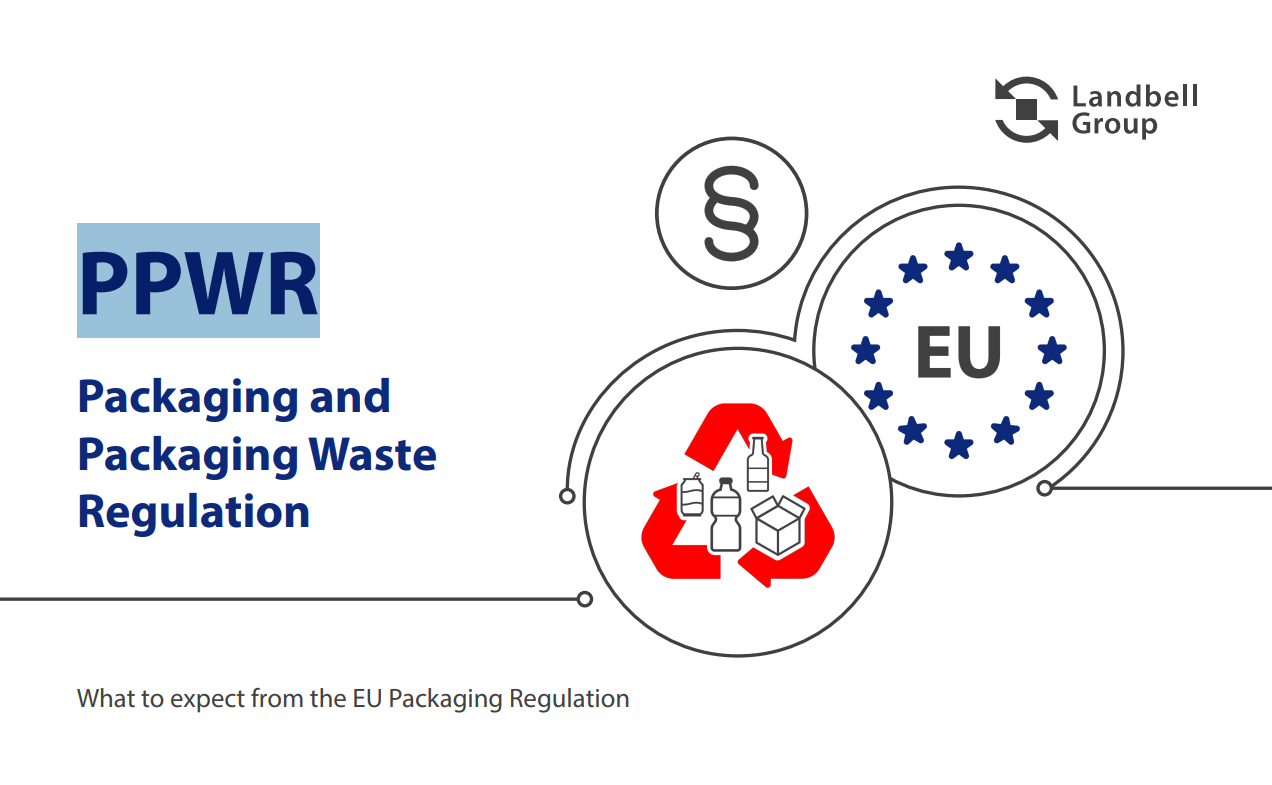
The EU’s landmark Packaging and Packaging Waste Regulation (PPWR) arrives August 12, 2026. Multiple U.S. state bans took effect January 1, 2026. Canada’s new PFAS packaging restrictions launched June 30, 2026. U.S. federal bans are advancing rapidly, with the UK, Australia, and China rolling out matching rules through the end of the year.The best news for food brands? Compliance does not require costly overhauls or risky last-minute swaps. If you’re already using plant-based fiber packaging — including bagasse, wheat straw, and bamboo — you’re almost certainly aligned with 2026 PFAS-free packaging standards. These natural materials deliver reliable grease and moisture resistance without a single fluorinated chemical coating.In this complete 2026 compliance guide, we break down exactly what modern PFAS regulations mean for food and beverage brands, highlight the non-negotiable global deadlines, and share actionable steps to lock in full PFAS-free compliance today.
What Are PFAS, and Why Do They Exist in Food Packaging?
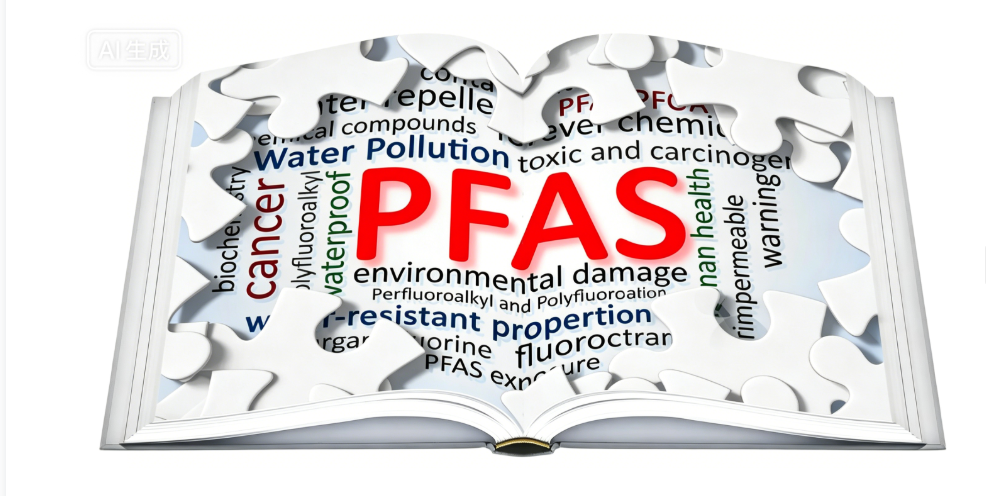
PFAS (per- and polyfluoroalkyl substances) are a large family of synthetic chemicals defined by ultra-strong carbon-fluorine molecular bonds. This unique structure makes them extremely durable — so durable they resist breaking down in nature or the human body, earning them the “forever chemical” nickname.For decades, the food packaging industry relied on PFAS for one core reason: grease resistance.Standard uncoated paper and paperboard is porous. Without chemical treatment, hot oil, grease, and moisture quickly seep through wrappers, pizza boxes, and molded fiber containers, ruining packaging and creating messy customer experiences. PFAS coatings solved this problem perfectly — until the long-term health and environmental costs became impossible to ignore.PFAS chemicals regularly migrate from packaging into food during storage, transport, and heating. Consistent exposure links to serious health risks, including hormone disruption, weakened immune function, and elevated cancer risks. These chemicals also accumulate permanently in soil and groundwater, creating generational environmental contamination.The critical insight for modern brands? PFAS coatings are no longer necessary. Advanced plant fiber packaging achieves commercial-grade grease and moisture resistance through natural structural engineering, no synthetic fluorinated chemicals required.
2026 PFAS Packaging Deadlines Every Food Brand Must Follow
2026 is the year global PFAS regulations move from “proposed” to “fully enforced.” No grace periods, no stock exhaustion loopholes, and no exceptions for unintentional trace contamination. Below are the hard deadlines shaping global food packaging compliance this year.
EU PPWR | August 12, 2026
The EU’s Packaging and Packaging Waste Regulation sets the strictest global baseline for PFAS-free packaging compliance, with zero tolerance for non-compliant stock after the August deadline. Key enforceable limits include:
•25 ppb maximum for individual PFAS compounds
•250 ppb total combined PFAS limit
• 50 ppm total fluorine threshold
The biggest pitfall brands overlook: intent does not matter. Even trace, unintentional PFAS contamination over the legal limit results in non-compliance. Additionally, there is no stock carryover period — any pre-produced packaging exceeding limits cannot be sold or distributed in the EU after August 12, 2026.
United States | State-Level Bans
Six U.S. states launched enforceable PFAS food packaging bans on January 1, 2026: Vermont, Illinois, Colorado, Connecticut, Maine, and Minnesota. Washington state also activated updated restrictions on the same date.Upcoming U.S. regulatory rollouts include:
•New Jersey: 2028 PFAS packaging ban
•Massachusetts: 2029 full restriction
•Federal progress: The No Toxic Chemicals in Food Packaging Act (introduced June 2026) would establish a nationwide PFAS ban within two years
Canada, Australia, UK & China | 2026–2027 Rollouts
•Canada: Full PFAS packaging prohibitions took effect June 30, 2026
•Australia: Banned high-risk PFAS compounds in food packaging starting July 2025
•United Kingdom: Targets full PFAS phase-out for food packaging by 2027
•China: Revising national PFAS packaging standards for final implementation in late 2026
Which Food Brands Are Impacted by 2026 PFAS Rules?
A widespread industry myth claims PFAS packaging bans only apply to large national or international food corporations. In reality, the regulations cast an extremely wide net.
Your brand is affected if you:
•Sell any food packaged in grease, oil, or moisture-contact packaging
•Use paperboard, coated paper, molded pulp, or fiber-based takeout containers
•Distribute products to the EU, regulated U.S. states, Canada, Australia, or the UK
Exemptions are extremely narrow. Regulators place the burden of proof entirely on your brand, not your suppliers. Verbal claims of “no intentional PFAS use” do not count as compliance. Regulatory bodies and retail buyers require verified, third-party testable proof of PFAS-free packaging.
Why Plant-Based Fiber Is the Best Choice PFAS-Free Packaging Solution
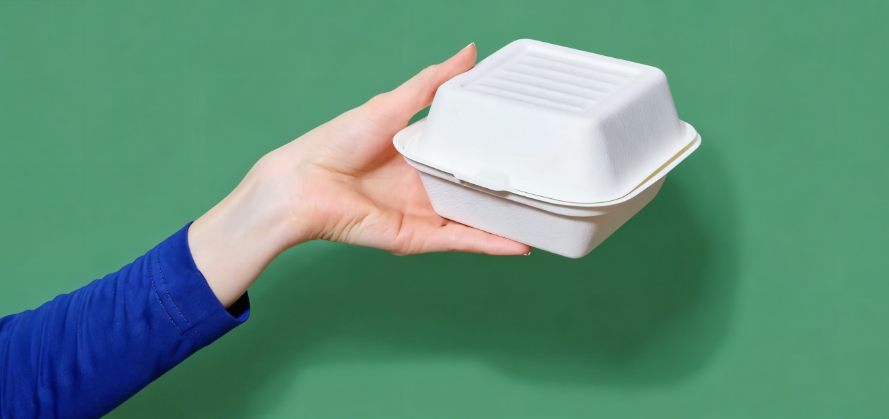
Traditional paper packaging relies on PFAS chemical coatings to overcome natural porosity and block grease and moisture. Plant-based fiber packaging — bagasse (sugarcane fiber), wheat straw, and bamboo — operates on a completely different principle.These sustainable raw materials feature dense, naturally structured fibers. Through precision thermal forming and high-pressure molding, manufacturers create tight, non-porous packaging surfaces that resist oil, grease, and moisture penetration without any synthetic chemical coatings.Switching to certified plant-based PFAS-free packaging delivers four irreplaceable brand benefits:
•Guaranteed regulatory compliance: Zero PFAS presence eliminates trace contamination risks, failed tests, and last-minute compliance scrambles for global markets.
•Preserved circularity: True PFAS-free plant fiber packaging is fully compostable and recyclable, with no toxic chemical residue to pollute waste streams or soil.
•Reduced brand and retail risk: Major grocery and foodservice chains now prioritize verified PFAS-free suppliers to avoid consumer backlash and regulatory penalties.
•Uncompromised performance: Modern plant-based packaging withstands hot, greasy, moist food conditions perfectly — no strength, durability, or functionality tradeoffs.
The compliant, high-performance supply chain is already established. The only variable is how quickly your brand transitions to future-proof packaging standards.
How to Verify True PFAS-Free Packaging Compliance
Every packaging supplier can advertise “PFAS-free” status. Legally valid compliance requires verified, documented proof. Use this rigorous verification process to avoid non-compliant packaging pitfalls.
1. What You Need To Know Before Oder.
Replace vague questions with targeted, audit-ready inquiries:
•Were any fluorinated chemicals intentionally added during material production or finishing?
•What is the total fluorine content? Provide full accredited lab test reports.
Can you provide a formal PFAS-specific Certificate of Compliance for regulatory audits?
2. Require Gold-Standard Third-Party Testing
Pyrolysis-GC/MS testing is the industry benchmark, detecting trace PFAS levels down to parts-per-billion. For full compliance, require documentation confirming:
• Non-detectable total fluorine levels
• Complete absence of high-risk compounds (PFOA, PFOS, GenX)
3. Validate Credible PFAS-Free Certifications
• NSF P525: The only North American standard exclusively designed to verify PFAS-free single-use food packaging
• SGS No PFAS Detected: Independent verification recognized by retailers and global regulators
• OK COMPOST / EN13432: Strong secondary validation — PFAS contamination invalidates compostability credentials
4. Secure Full Written Documentation Upfront
Collect test reports, compliance certificates, safety data sheets, and chain-of-custody documentation before placing orders. Verbal supplier assurances offer zero regulatory or retail protection.
The Real Business Risks of Delaying PFAS Compliance
PFAS compliance is not a sustainability marketing exercise — it is a core business continuity requirement.Non-compliant packaging triggers immediate market access loss. Right now, PFAS-containing packaging cannot be sold in six U.S. states. After August 12, 2026, it will be barred entirely from the EU market. This is not a fine-only risk — it is a full sales ban.Retail enforcement is also outpacing government regulation. Major global grocery and foodservice distributors have launched internal PFAS-free packaging rules stricter than legal mandates to protect their brand reputations. Non-compliant suppliers face immediate delisting.Consumer awareness of “forever chemicals” continues to rise. Once a brand is associated with toxic PFAS packaging, reputational damage is long-lasting and extremely difficult to reverse.
5 Actionable Steps to Secure 2026 PFAS Compliance Today
Use this simple roadmap to eliminate PFAS risk and future-proof your packaging strategy:
1. Map your sales footprint: List all regulated markets (EU, compliant U.S. states, Canada, Australia, UK) to prioritize high-risk regions.
2. Conduct a full packaging audit: Review every wrapper, box, sleeve, and container that contacts food grease or moisture.
3. Demand verified documentation: Require third-party PFAS test reports and compliance certificates from all current packaging suppliers.
4. Evaluate plant-based alternatives: Test bagasse, wheat straw, and bamboo packaging samples with your actual food products to validate performance.
5. Build a transition timeline: Align upgrades with the August 12 EU PPWR deadline — early adopters secure better pricing and supply stability.
How MVI EcoPack Delivers Verified PFAS-Free Packaging Compliance
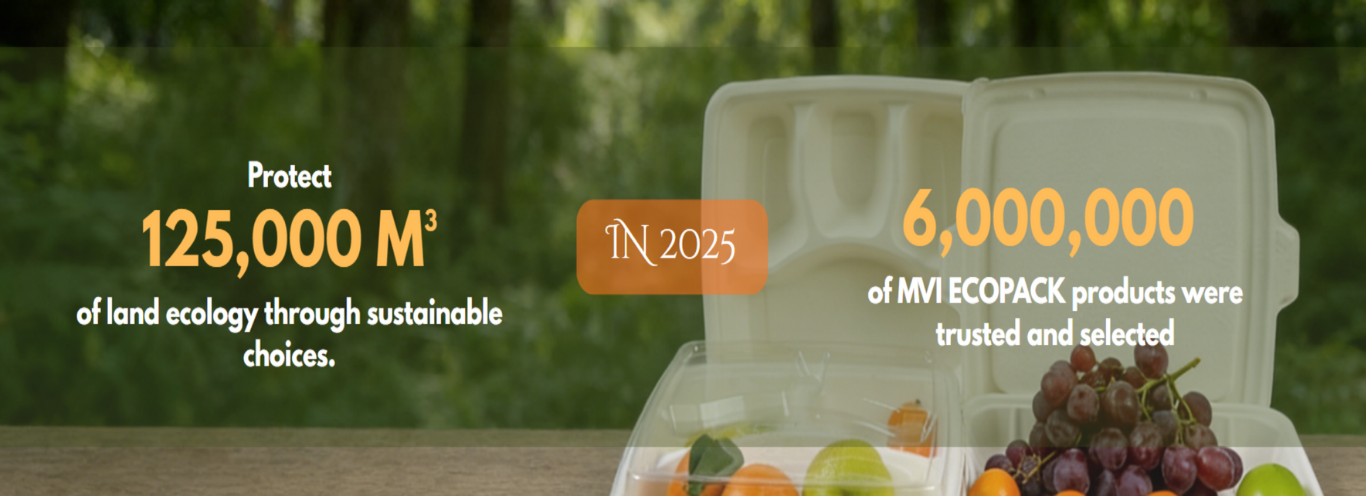
At MVI EcoPack, all our food packaging is engineered from the start to be PFAS-free. We rely on the natural structural strength of bagasse, wheat straw, and bamboo fibers to deliver commercial-grade grease and moisture resistance — no fluorinated coatings, no trace chemical contamination, no compliance uncertainty.We deliver end-to-end compliance support for food brands operating in global regulated markets:
•100% PFAS-free by design across all plant-based packaging lines
•Full third-party certifications: OK COMPOST, DIN EN13432, and FDA food contact approval
•Real-time global PFAS regulatory tracking and compliance updates
•Custom OEM/ODM packaging solutions tailored to regional market rules
•Complete audit-ready documentation: test reports, compliance certificates, and safety data sheets
Our mission is to turn complex global PFAS packaging compliance into a straightforward, stressable process. The goal is not just checking regulatory boxes — it’s building lasting brand trust through safe, sustainable, fully compliant packaging.
|
Require a private label service for Your Zero Waste Business? Our professional eco-team offers consulting services to help you develop a comprehensive RENEWABLE packaging solution, including private label production for your business. Contact us to align your business with sustainable practices and achieve your zero-waste goals together. |
Frequently Asked PFAS Packaging Compliance Questions
Q: What is the most urgent 2026 PFAS compliance deadline?
A: The EU PPWR enforcement date of August 12, 2026, is the top global priority. Canada’s full PFAS ban already took effect June 30, 2026.
Q: Does “no intentional PFAS use” guarantee compliance?
A: No. Regulators test for total PFAS presence, not intentional addition. Only third-party lab results prove compliance.
Q: Is all plant-based packaging automatically PFAS-free?
A: No. Some manufacturers add hidden PFAS coatings to plant fibers. Always verify with independent test reports.
Q: Is PFAS-free packaging significantly more expensive?
A: The cost gap continues to narrow in 2026. Compliance fines, retail delisting, and reputational damage are far costlier than sustainable packaging upgrades.
Q: Do I need to comply if I only sell in unregulated markets?
A: Retailers enforce stricter internal PFAS rules regardless of local laws. Global regulatory adoption is inevitable — transitioning now future-proofs your brand long-term.