


INDUSTRY INSIGHT |
THE UBIQUITOUS MICROPLATISCS CRISIS TO HEALTH & ENVIRONMENT
— HOW SHOULD WE RESPONDS?
Publisher: MVI ECO
2026/1/9
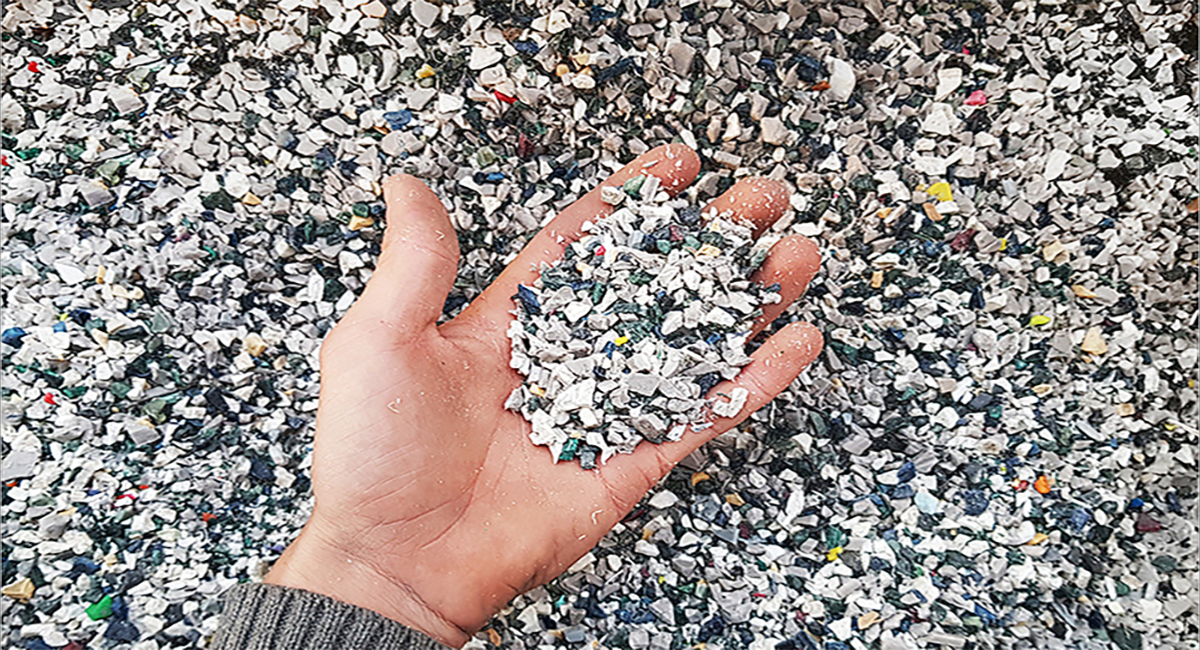
The latest research from the Natural Resources Defense Council (NRDC) hammers home a sobering truth: microplastics have breached every barrier between nature and human bodies, infiltrating nearly every corner of daily life. These tiny particles—each smaller than 5 millimeters—turn up in core human organs like blood and brains, as well as in soil, oceans, and the air we breathe. Most stem from the breakdown or shedding of single-use packaging, textiles, and everyday consumer goods, inflicting irreversible harm on global ecosystems and hiding severe public health risks that we’re only beginning to understand.
Global Shift:
Eco-Friendly Packaging Demand Booms
A structural shift in consumer behavior is driving the surge in demand for sustainable packaging. Nielsen’s 2025 global survey finds 73% of shoppers are willing to pay a 15-20% premium for products wrapped in eco-friendly materials—and European and North American markets are leading this charge. Parents, health enthusiasts, Millennials, and Gen Z now prioritize “plastic-free, recyclable, or compostable” as make-or-break factors when choosing brands. Demand is particularly strong in food and beverage, personal care, and baby products, carving out clear niches for progress in the packaging space.
Tightening international regulations have turned eco-friendly packaging from a “nice-to-have” into a must-have. The EU’s Packaging and Packaging Waste Regulation (PPWR) mandates all packaging entering European markets be reusable or recyclable by 2030, while banning single-use plastics like straws and cutlery outright. In California, USA, Extended Producer Responsibility (EPR) laws force brands to take accountability for packaging waste throughout its lifecycle, pushing upstream suppliers to accelerate the shift to greener alternatives.
How to Combat Microplastics?
3 Core Sustainable Packaging Solutions
Against the backdrop of rising market demand and regulatory pressure, the packaging sector needs practical, scalable sustainable solutions to target microplastic pollution head-on and deliver meaningful value:
1. Recycled & Recyclable Materials: Cut Microplastics at the Source
Using post-consumer recycled (PCR) plastics, plant-based fibers (such as sugarcane bagasse, bamboo, and corn starch), and eco-friendly paper drastically reduces reliance on virgin plastic—one of the top sources of microplastics from production and degradation. A 2024 study by the Sustainable Packaging Coalition shows PCR plastic bottles cut microplastic leakage by 40% compared to traditional virgin plastic bottles. Brands like Patagonia and Unilever have already led the way by switching some product lines to 100% PCR packaging, setting an industry benchmark and boosting steady demand for recycled material adoption.
2. Compostable Packaging: The Best Fix for Hard-to-Recycle Scenarios
Compostable materials like polylactic acid (PLA), polyhydroxyalkanoates (PHA),these recycled plastic packaging fully break down in natural or industrial composting conditions without releasing microplastics. They’re perfect for hard-to-recycle uses like food containers, fresh produce shipping labels, and single-use tableware. In Europe, major retailers such as Carrefour and Tesco have imposed strict rules: suppliers must use compostable packaging for fresh items. This policy dividend opens a clear growth path for the research, development, and adoption of compostable materials.
3. Reusable Packaging Systems: Build a Circular Economy Loop
Circular packaging models centered on “collect-clean-reuse” eliminate single-use waste at its root, offering a long-term solution to microplastic pollution. MVI Ecopack partners with retailers worldwide to supply reusable packaging for food and daily necessities, while also developing customized solutions tailored to specific needs. This approach not only cuts waste but also aligns with the global push toward a circular economy.
Beyond Packaging:
Ride the Eco-Wave for Sustainable Progress
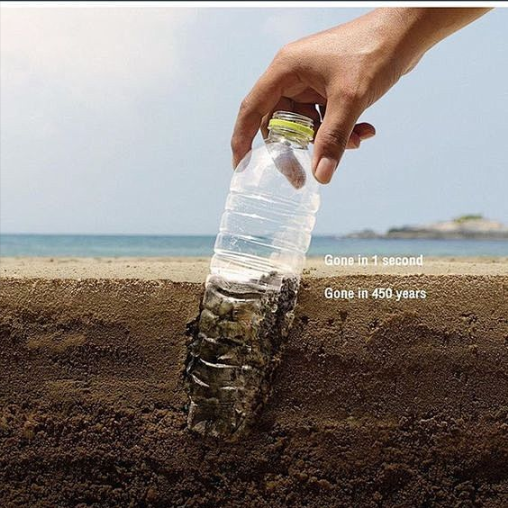
The global environmental revolution sparked by microplastic pollution is reshaping the packaging industry. Only by prioritizing sustainability, complying with regulations, and focusing on market needs—while deepening investment in sustainable solutions—can we seize opportunities in this transformation and turn a global environmental crisis into a catalyst for positive growth in the packaging sector.
10 Ways to Reduce Microplastic Exposure
(From NRDC’s “Microplastic Tsunami” Brief)
Based on the NRDC’s latest brief, “Microplastic Tsunami,” here are practical steps consumers can take to limit microplastic exposure for themselves and their families:
- Opt for tap water instead of bottled water.
- Never heat food in plastic containers in the microwave.
- Reevaluate the plastic kitchenware in your home.
- Choose natural fibers for carpets, furniture, and clothing.
- Love tea? Avoid plastic tea bags whenever possible.
- Bring your own reusable cup (skip bioplastic options).
- Steer clear of plastic baby bottles.
- Reassess your non-stick cookware (many contain hidden plastics).
- Be mindful of hidden plastics in menstrual products like pads and tampons.
- Avoid personal care products that intentionally contain microplastics.
Small changes add up. By adjusting daily habits and supporting sustainable packaging, we can all play a role in curbing the microplastic crisis.
READ THE FULL ISSUE BRIEF & CONSUMER GUIDE
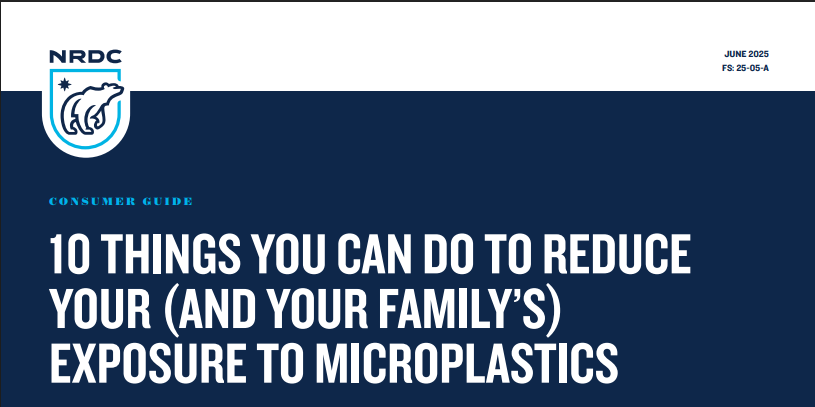
10 Things You Can Do to Reduce Your (and Your Family’s)Exposure to
Microplastics(PDF)
-The End-

Web: www.mviecopack.com
Email:orders@mvi-ecopack.com
Telephone: 0771-3182966


