


There’s nothing more comforting than grabbing a basket of food, heading to a grassy spot with friends or family, and enjoying a picnic on a warm summer day. But for years, I felt guilty after every picnic—staring at a bag full of plastic waste: used plastic containers, disposable forks, and wrapping paper. I always thought zero-waste picnics were “too much work” until I tried them myself. Turns out, they’re not just better for the planet—they’re easier, tidier, and even more enjoyable.I’ve put together a list of practical, tested zero-waste picnic dining tips—no complicated rules, just simple steps that anyone can follow. From containers and utensils to food prep and post-picnic cleanup, I’ll break everything down so you can host a picnic that’s fun, stress-free, and kind to the environment. Even if you’re new to zero-waste living, you can start small and still make a difference.First, let’s clear up a myth: zero-waste doesn’t mean “no waste at all.” It means reducing unnecessary waste as much as possible. You don’t have to be perfect—even swapping out plastic utensils for biodegradable ones is a big win. These tips are what I’ve learned after hosting dozens of picnics, fixing mistakes, and refining the process to make it as easy as possible.
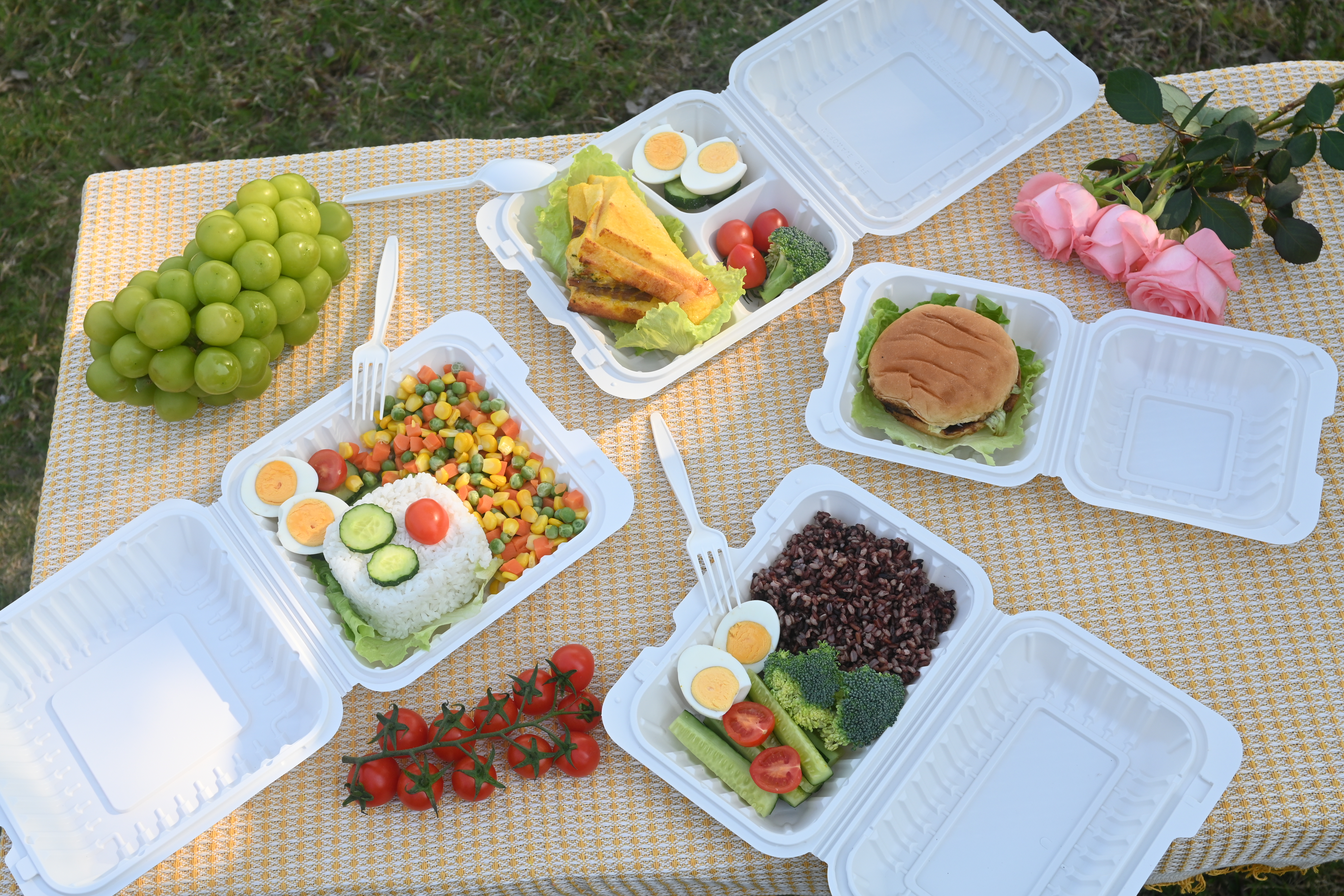
Tip1. Choose the Right Containers: Compostable Boxes Are Your Best Friend (No Forced Eco-Gestures)
I used to rely on disposable plastic containers for picnics, and they were always a hassle—leaking sauces, collapsing under hot food, and piling up as trash afterward. Once I switched to compostable boxes, I wondered why I didn’t do it sooner. They’re not just eco-friendly; they’re actually more convenient.When picking compostable boxes for your picnic, don’t overcomplicate it—focus on two key things. First, the material: opt for ones made from sugarcane fiber or cornstarch. These are oil-resistant, water-resistant, and sturdy enough to hold hot salads, saucy dishes, or even freshly grilled skewers—way more durable than flimsy plastic. Second, the design: go for boxes with secure, attached lids. I once used boxes with separate lids, and one got lost on the way to the park—half my fruit spilled all over my picnic basket, and it ruined the mood.
Bonus tip: Choose collapsible compostable boxes. They flatten down when not in use, so they don’t take up much space in your basket or pantry. For group picnics, pick compartmentalized compostable boxes—one box can hold a main dish, sides, and snacks, so you don’t need to bring multiple containers per person. And the best part? You don’t have to wash them after use—just toss them with food scraps for composting. Way easier than scrubbing a pile of plastic containers.
Tip2. Don’t Skip Utensils: Biodegradable Forks, Spoons & Knives Are the Real Time-Savers
This is the most common mistake I see: people use compostable boxes but still hand out disposable plastic utensils. It defeats the purpose of a zero-waste picnic! The good news is, biodegradable utensils are now just as good as plastic—no flimsiness, no compromise on usability, and no plastic waste left behind.Here are my tested tips for picking the best biodegradable utensils: First, skip the cheap cornstarch-only ones. They get soggy when they touch water, and you’ll struggle to pick up big pieces of fruit or meat. Instead, go for mixed-material utensils (like cornstarch + sugarcane fiber)—they’re sturdy, heat-resistant, and fully biodegradable. Second, choose ones with paper packaging, not plastic. It’s cleaner for transport and doesn’t add extra waste. Third, don’t overstock—bring 2-3 extra sets per person to avoid leftovers.For small picnics (3-4 people), you can also bring reusable metal utensils in a cloth bag—wash them when you get home and use them again. But for larger groups (10+ people), biodegradable utensils are more practical. You won’t have to worry about collecting them after the picnic or losing pieces.
Tip 3. Food Prep: One Extra Step = Half the Packaging Waste
The key to a zero-waste picnic is preparation. Most packaging waste comes from buying pre-packaged foods for convenience. I now spend 1-2 days prepping food at home before a picnic—it’s healthier, cheaper, and way less wasteful.Here’s how to do it: First, skip individually wrapped snacks. Buy large bags of cookies, nuts, or chips, and portion them into reusable cloth bags or glass jars. It’s easier to share, and you’ll cut down on plastic waste. Second, use small glass jars for dips and salad dressings instead of single-serve plastic cups. They’re reusable, leak-proof, and better for your health. Third, make food from scratch—sandwiches, rice balls, fruit platters—instead of buying pre-made picnic packs. You’ll avoid tons of plastic packaging, and you can tailor the food to your guests’ tastes.
Pro tip: Calculate portions carefully. The first zero-waste picnic I hosted, I overprepared and ended up throwing away half the food—that’s worse than using plastic! Now I prepare 1.2 times the amount needed for my guests. If you run out, you can always grab a quick snack nearby, but you’ll avoid wasting food.
Tip 4. Serving & Cleanup: Two Simple Steps for Total Zero-Waste Peace of Mind
A lot of people think zero-waste picnics are hard to clean up, but they’re actually easier than regular picnics—if you plan ahead.For serving, go family-style. Instead of plating individual meals, use 1-2 large compostable platters for fruits, finger foods, and snacks. Let everyone grab what they want—it’s more social, and you’ll use fewer containers and utensils. For dips and drinks, use shared bowls and pitchers instead of individual cups. It’s simpler and less wasteful.Cleanup is straightforward—just bring two bags: one for non-compostable waste (like plastic snack wrappers that you can’t avoid) and one for compostable waste (used compostable boxes, biodegradable utensils, and food scraps). When you get home, toss the compostable items into your home compost bin or drop them off at a local composting site. They’ll break down naturally into nutrient-rich soil—no waste, no guilt.
Important note: Don’t mix compostable items with regular trash. If you don’t have a home compost bin, check for community compost drop-off points in your area. It’s worth the extra step to make sure your eco-friendly efforts count.
A Zero-Waste Picnic Is a Joy, Not a Chore
When I first started hosting zero-waste picnics, I worried it would be too much work, or that my friends would think I was being “too extra.” But now, it’s my favorite way to picnic. I don’t have to deal with a mountain of plastic trash, I don’t feel guilty about wasting food, and I get to enjoy nature while doing something good for the planet.You don’t have to go all-in at once. Start by swapping plastic utensils for biodegradable ones, then switch to compostable boxes. Take it step by step, and find what works for you. This summer, give zero-waste picnicking a try—your friends, your wallet, and the planet will thank you.
Final Quick Check Item List
1. Compostable boxes: Choose sugarcane fiber, with secure attached lids, collapsible design, and compartments for group picnics.
2. Biodegradable utensils: Go for mixed-material (cornstarch + sugarcane fiber), paper-wrapped, and bring 2-3 extra sets per person.
3. Extras: Small glass jars (for dips), cloth bags (for snacks/reusable utensils), and two separate bags for trash and compost.


