



INDUSTRY DEEP INSIGHT |
THE $32 BILLION MARKET BY 2034: BIOPLASTIC PACKAGING’S
FULL RISE FROM “GREEN CONCEPT” to “OMMERCIAL MAINSTREAM”
Publisher: MVI ECO
2026/1/4
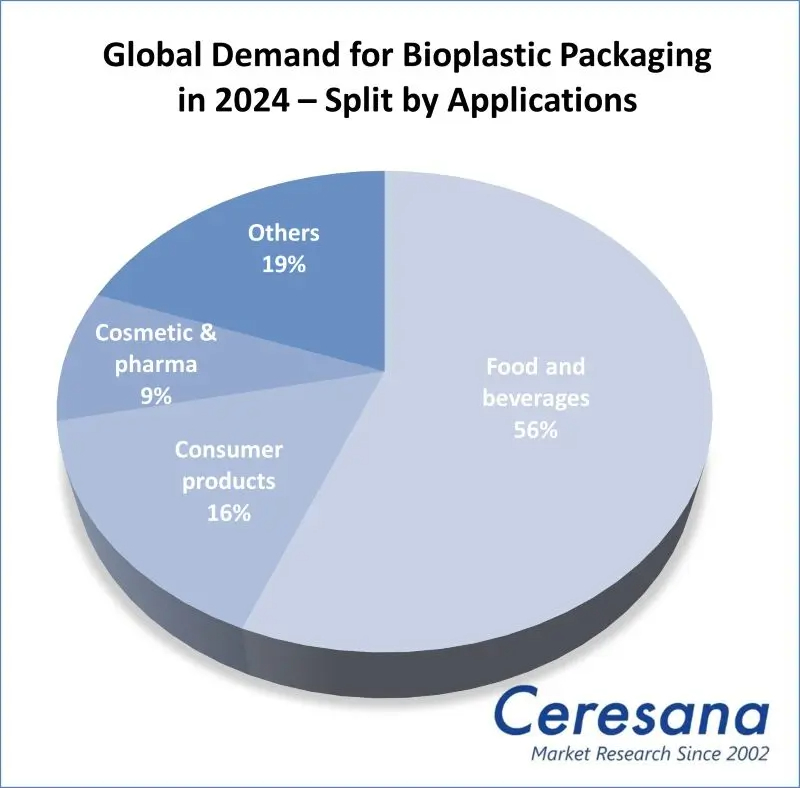
Driven by the global circular economy and carbon neutrality goals, bioplastics are rapidly evolving from a niche eco-material into a formidable commercial force within the packaging industry. According to the latest Ceresana market report, the global bioplastic packaging market is projected to surpass USD 32 billion by 2034. This growth is fueled not just by environmental ethos, but by converging forces of technological maturity, capacity expansion, and regulatory shifts. For the food packaging sector, this signifies that applications like PLA food containers and PLA straws are at a critical juncture, transitioning from “viable options” to sources of competitive advantage.
PART 01
Core Driver—Capacity Expansion and Cost Reduction Unlock Commercialization
The report highlights that the commissioning of new plants and expanded capacities for biopolymers like PLA (Polylactic Acid) and TPS (Thermoplastic Starch) is the primary lever moving the market. This capacity increase delivers two key commercial benefits:
Enhanced supply capability and predictability, providing brands and manufacturers with stable supply chain security.Consistently lower prices, making bioplastics an economically attractive alternative to fossil-based plastics.
This means that for brands in dining, takeaway, and FMCG, choosing established bio-based food packaging like PLA meal containers and PLA straws is shifting from “bearing an eco-cost” to “investing in a stable and future-proof supply chain.” Mass production is making such products increasingly cost-competitive, representing a smart choice that balances environmental commitment with commercial rationality.
PART 02
Material Landscape-PLA Leads with Continuously Optimizing Performance
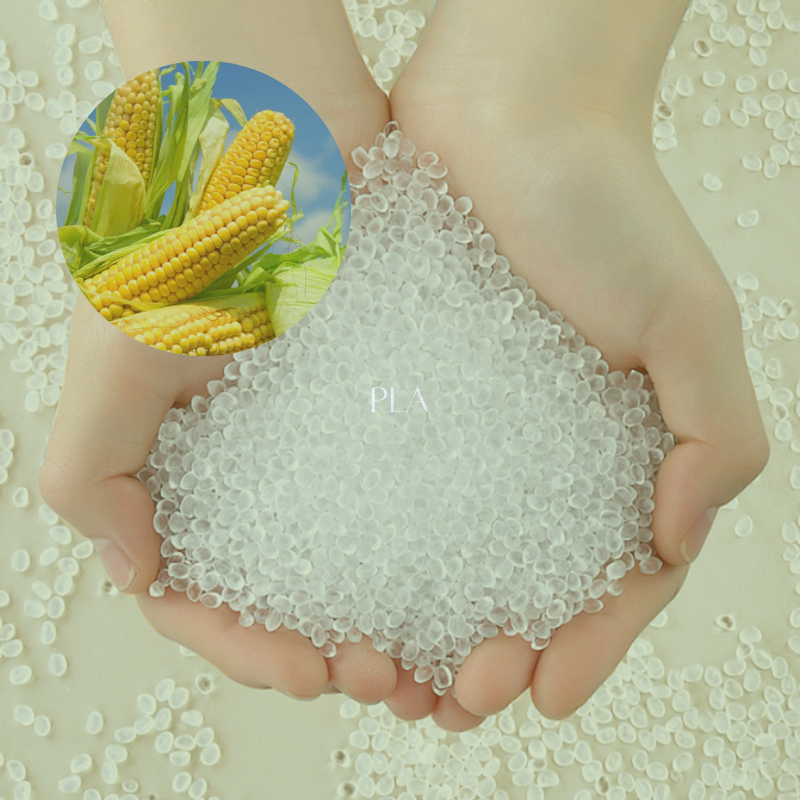
The current market shows a clear hierarchy: PLA commands a leading 30% share of the bioplastics-for-packaging market. Sourced from plant starch like corn or cassava, it boasts the highest technological maturity and stable processing properties.Today, PLA material performance has evolved significantly. To meet specific food packaging needs, next-generation PLA food containers now offer improved heat resistance and sealability for diverse food applications. Similarly, PLA straws have seen continuous enhancements in flexibility and hydrolytic stability, offering users a seamless alternative. These advancements transform bioplastics from mere “eco-symbols” into high-performance solutions capable of meeting practical usage demands.
PART 03
Applications & Markets-Food Packaging as the Core, Your Products at the Forefront
The report confirms that over 56% of bioplastic demand originates from food and beverage packaging. This directly validates the tremendous success and potential of biomaterials like PLA in scenarios such as staple foods, salads, beverages, and takeaway.
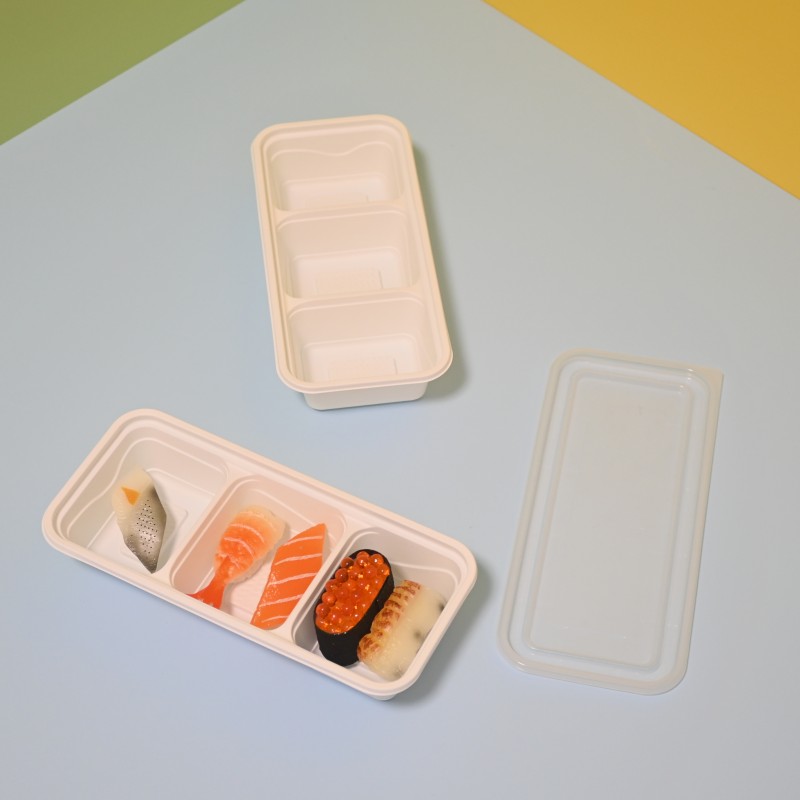
PLA Food Containers: Widely used in food delivery, fresh produce supermarkets, and quick-service restaurants. Their excellent clarity and rigidity effectively showcase food while meeting clear consumer expectations for “compostable” and “non-polluting” packaging.
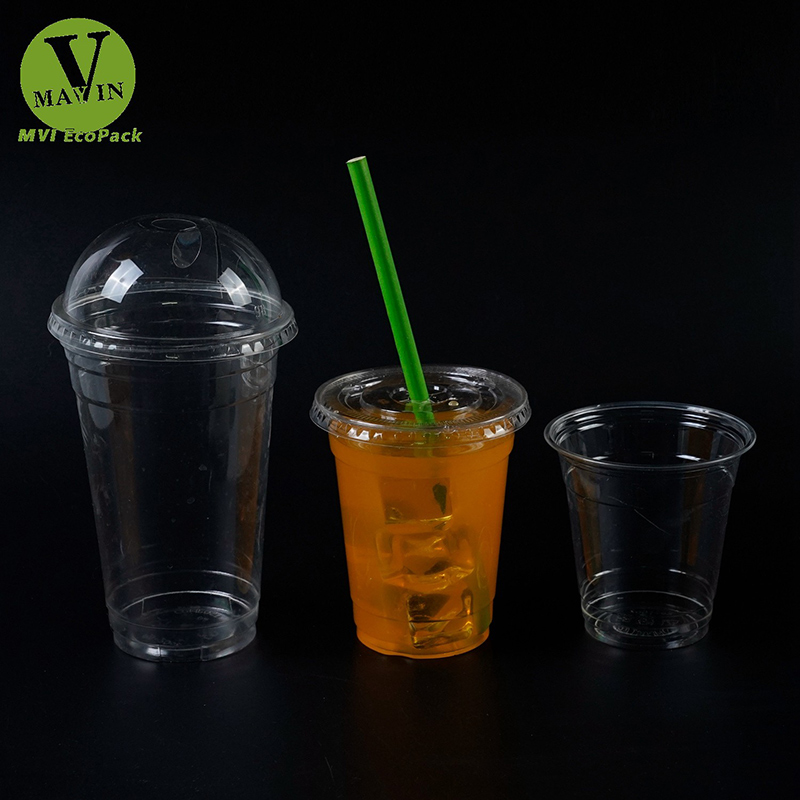
PLA Cups: Becoming standard in beverage shops, restaurants, and large-scale events as global “plastic bans” expand.
MVI ECO operate in the world’s largest bioplastic consumer market—the Asia-Pacific region (42% global share). Pioneering the adoption and promotion of such packaging is a crucial step in establishing green brand leadership both regionally and globally.
PART 04
Embracing a Certain Future with Tangible Products
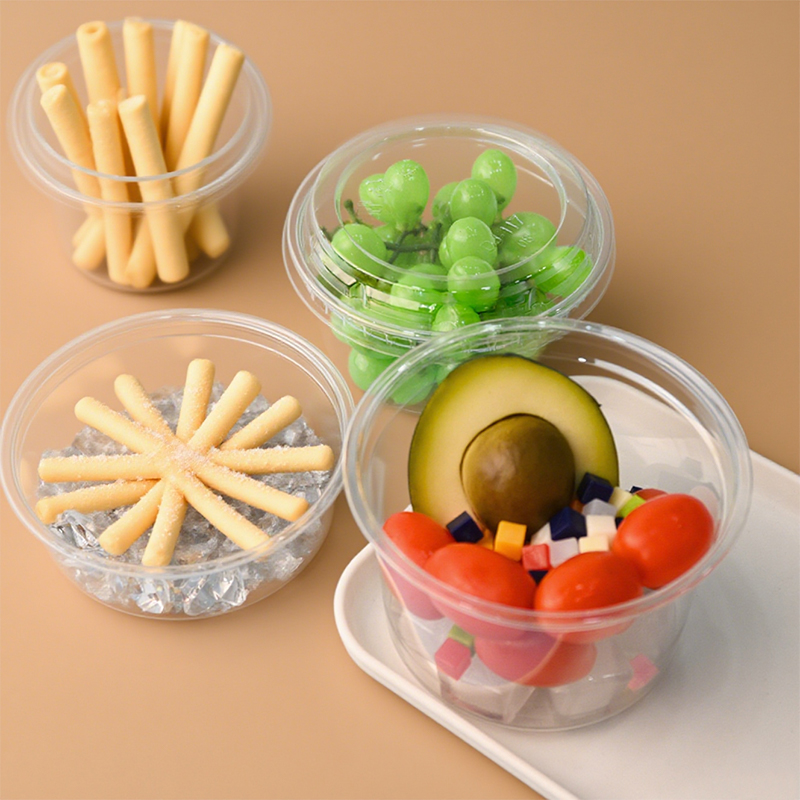
The “golden era” for bioplastic packaging is, in essence, the inevitable result of ripened industrialization and commercialization conditions. Recycling is not only a response to environmental calls but a strategic business decision that enhances product value and brand reputation, meets consumer preferences, and aligns with global regulatory direction.The leaders of the next decade will be those who can translate green phylosophy into concrete, reliable product solutions. Are you ready?
FAQS:
In your business context, which performance metrics for PLA containers or straws (e.g., heat resistance, cost, strength) are most critical in your adoption decision?
How do you perceive consumer awareness and acceptance of bio-based packaging, and how does this influence your procurement strategy?
Considering potential cost differentials, what factors do you believe maximize the long-term business value of bio-based packaging?
-The End-

Web: www.mviecopack.com
Email:orders@mvi-ecopack.com
Telephone: 0771-3182966
Post time: Jan-04-2026


