



STURDY&TRULY COMPOSTABLE:
YOUR GUID TO CHOOSING BAGASSE STRAWS&DODING GREENWASHING
Publisher: MVI ECO
2025/12/30
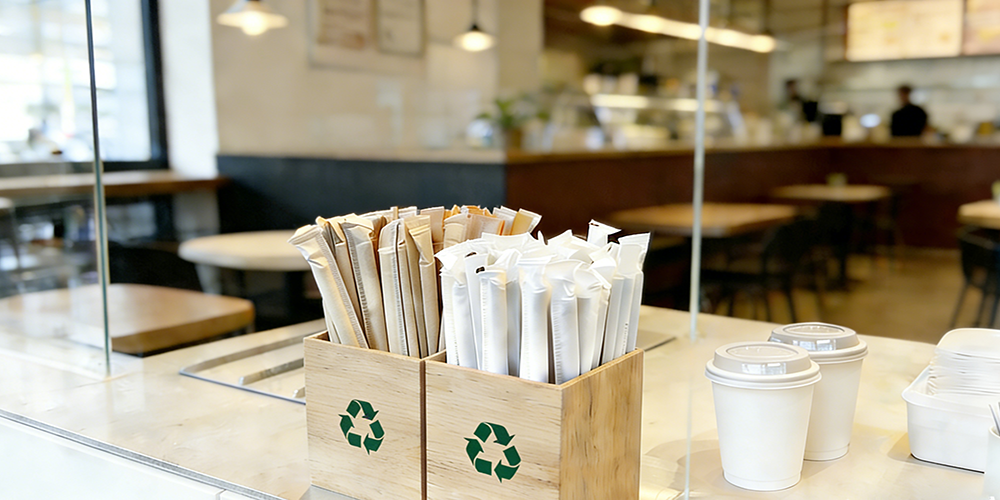
MVI’s recycled straws in coffee shop
Many café and restaurant owners have faced the frustrating aftermath of falling for greenwashing while trying to go eco-friendly. They deliberately spent 3 to 5 times more to replace plastic straws with “biodegradable” alternatives in bulk, only to be hit with one issue after another—customers complained that the straws turned mushy and unusable before finishing their drinks; others even noticed that the “eco-friendly straws” left in the trash remained intact for a full month, showing no signs of breaking down at all.
“Spent more money but ended up doing ‘fake eco-friendly’ work”—this frustration resonates with many business owners who genuinely want to embrace sustainability. Today, as consumer demand for green products grows and environmental policies tighten, choosing a truly biodegradable straw that fits your daily use cases is no longer just a “nice-to-have”; it’s a key way to avoid headaches and keep your customers happy. From a practical purchasing perspective, we’ll break down how to choose biodegradable drinking straws, focusing on the popular bagasse straws, to help you steer clear of greenwashing traps.

Let’s start with a crucial clarification: Not all straws labeled “biodegradable” can truly return to nature, and not all “sturdy” straws are actually eco-friendly.
Behind these claims are many easily overlooked details and differences in standards.
PART 01
Don’t Get Bamboozled by “Eco-Jargon”: Clarify 3 Core Concepts First
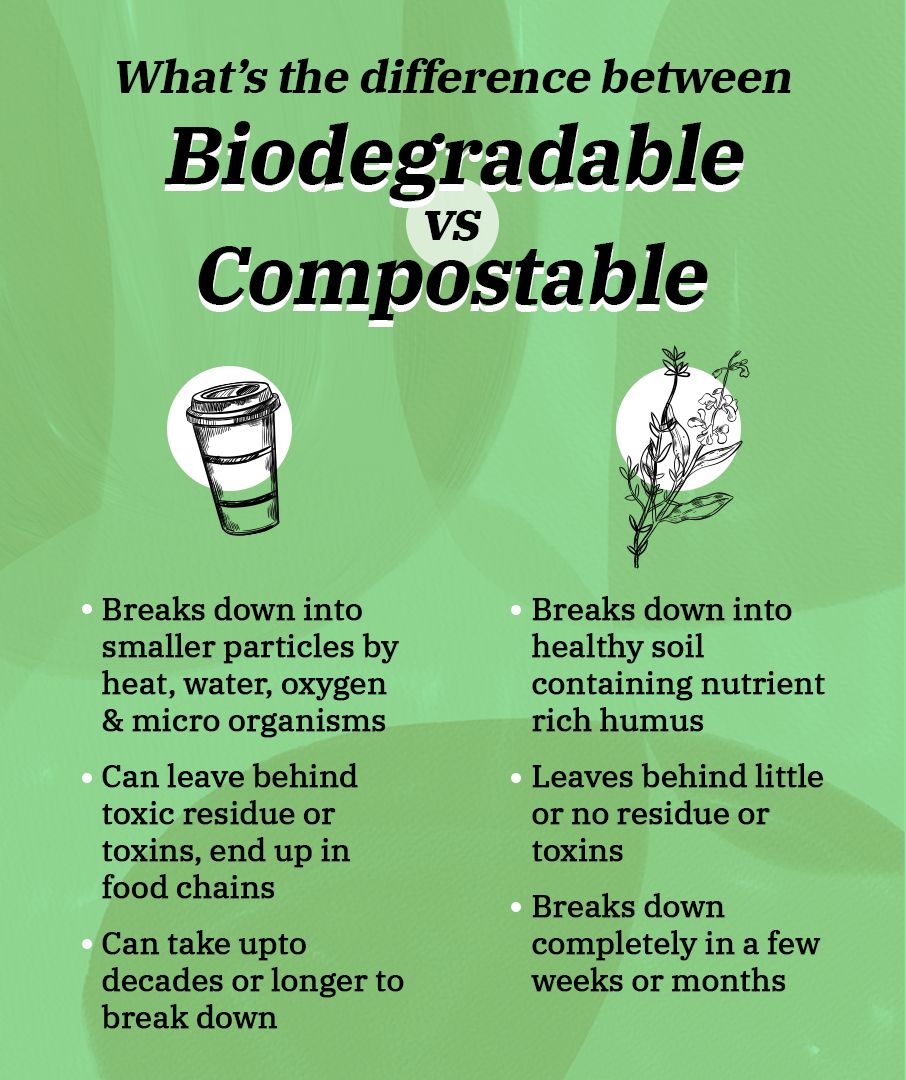
When shopping for biodegradable drinking straws, terms like “biodegradable,” “compostable,” and “plant-based” on merchant brochures are easy to mix up. Many people assume they mean the same thing, which is the main reason for costly mistakes. In reality, these terms have big differences—understanding them upfront is key to picking products that live up to your expectations.

First, let’s define “biodegradable”: By definition, almost all organic materials will break down eventually, but the critical questions are “how long does it take?” and “what conditions are needed?” For example, some plastic straws labeled “biodegradable” only decompose slowly—over years or even decades—under specific conditions like high-temperature industrial composting with controlled humidity. If they end up in regular trash or landfills, their decomposition rate is barely different from regular plastic. This is especially problematic for cold drink straw use cases, where these straws fail both in user experience and environmental impact.
Second, “compostable”—this is the standard that actually delivers on environmental promises. Qualified compostable straws must fully decompose within 180 days under specified conditions (55-60℃ high temperatures in industrial composting facilities, with specific humidity and microbial environments), leaving no harmful residues and eventually turning into soil-nourishing humus. Simply put, it’s a natural “use-decompose-recycle” cycle, just like autumn leaves falling and blending back into the earth. The bagasse straws we’re focusing on today are classic examples of compostable straws.

Finally, “plant-based materials”: This describes where the material comes from—bagasse, wheat straw, corn starch, and more are all plant-based. But not all plant-based straws meet compostable standards. Some add chemical coatings to stay “sturdy and non-mushy,” which actually strips them of their biodegradable properties. This is something you’ll want to watch out for when buying.
PART 02
Avoid Greenwashing Traps: 4 Steps to Pick “Sturdy & Truly Compostable” Straws
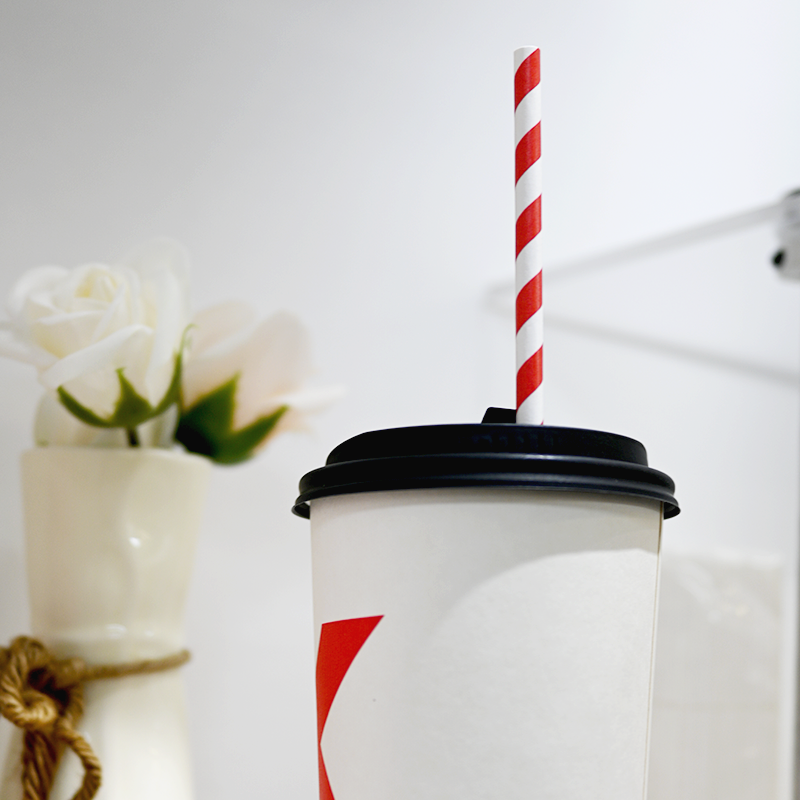
For café and restaurant owners, the core needs when choosing straws are simple: good user experience (especially no mushiness in cold drinks), genuine environmental decomposition, and compliance with relevant standards. Drawing on the practical purchasing experience of many operators, we’ve put together 4 actionable screening tips to help you avoid mistakes.
1. Check Material & Appearance First: Prioritize Natural-Colored Bagasse Straws
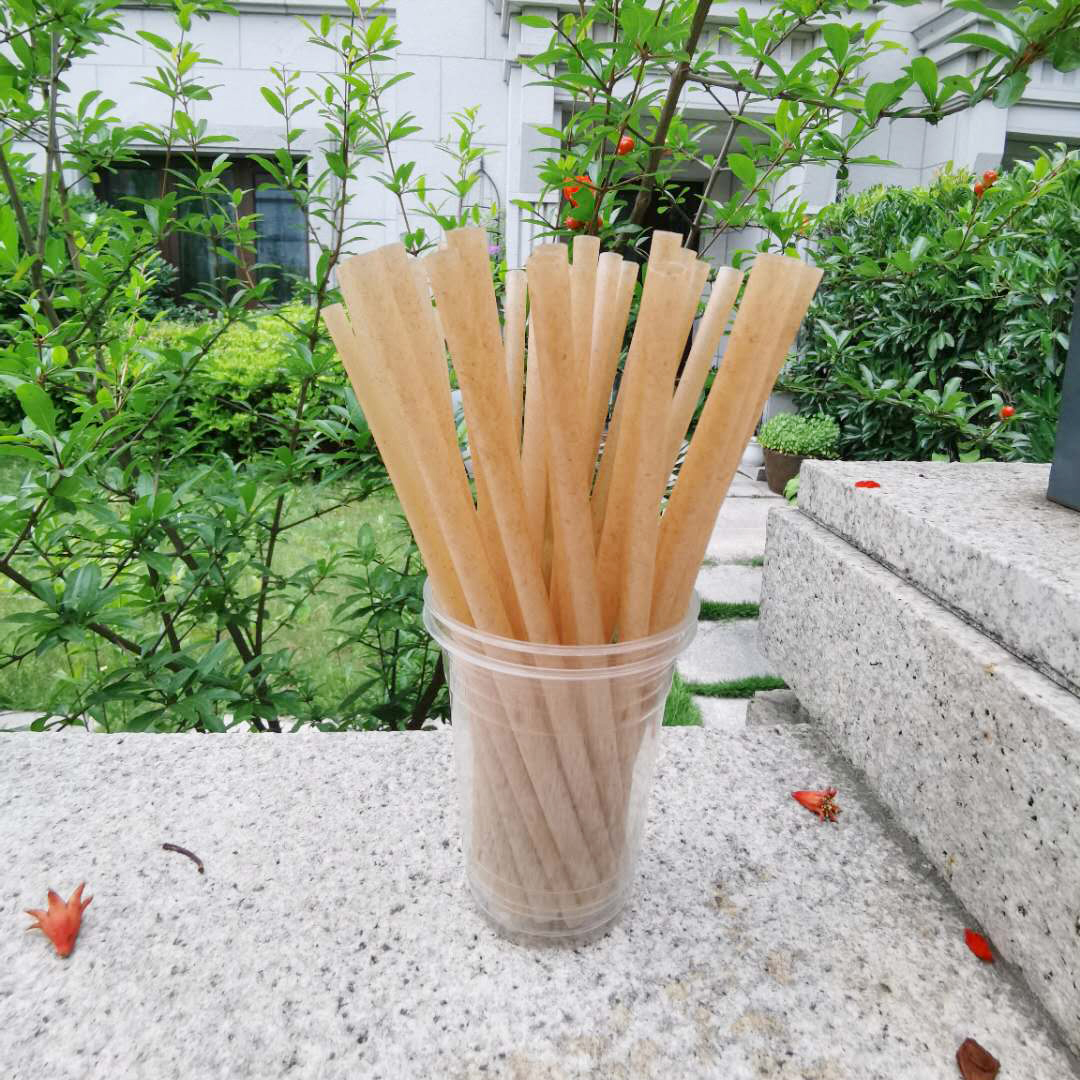
MVI Naturally gluten-free Sugarcane Straw
Authentic bagasse straws are made from the leftover fiber of sugarcane after juicing, processed through cleaning, high-temperature disinfection, and physical pressing. They typically have a natural off-white or light brown hue, and you can feel the fine texture of plant fibers on the surface. If you come across “pure white bagasse straws,” be wary—they likely contain bleach, which not only may compromise product safety but also reduce biodegradability.In terms of user experience, bagasse straws have a more stable structure. They can stay stiff even after soaking in cold drinks for 2 to 4 hours, completely solving the problem of ordinary paper straws turning mushy. They’re perfect for common business use cases like milk tea, coffee, and iced drinks. That’s why more and more chain coffee brands have made bagasse straws their top choice in recent years.
2. Always Check Certifications: Skip Any Without International Compost Certifications

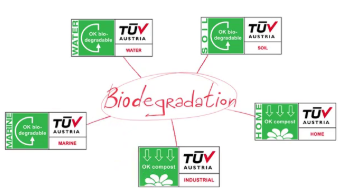
“OK compost INDUSTRIAL is a certification scheme for products guaranteed to be biodegradable
in industrial composting plants.”
Authoritative international compost certifications are the “hard proof” that a straw is truly eco-friendly. Qualified compostable straws usually hold certifications like BPI (Biodegradable Products Institute) from the US or OK Compost INDUSTRIAL from Europe. These certifications aren’t easy to get—products must pass strict decomposition and safety tests to prove their compostable properties.When buying, always ask the merchant for complete certification documents. It’s best to verify authenticity by logging onto the certification body’s official website and entering the product batch or merchant details—this helps you avoid “fake certifications” or “expired certifications.” Some business owners have previously bought uncertified “fake biodegradable straws” that failed regulatory checks, leading to lost costs and disrupted operations—it’s simply not worth the risk.
3. Test Samples: Simulate Daily Use to Verify Performance

MVI’s Water-based coating straw
Before placing a bulk order, always test small batches of samples—especially by simulating your daily use cases. For example, if your shop specializes in cold drinks, soak the straws in iced milk tea or iced coffee for 4 hours to see if they deform or turn mushy. If you do takeout, simulate delivery jostling to check if the straws break easily.Here’s a simple test too: Put sample straws in warm water, stir, and observe the water quality. If the water turns cloudy quickly or releases color, it’s a sign of unstable dyes or chemical coatings—avoid these products. Authentic bagasse straws will only make the water slightly cloudy, with no odor or color leaching.
4. Ask Key Questions: Choose a Reliable Merchant for Peace of Mind
Beyond the product itself, the merchant’s professionalism matters too. Ask these 3 key questions to quickly gauge if a merchant is reliable:

- What conditions are needed for the product to decompose? Does it support home composting? (If your city has no industrial composting facilities, home-compostable products are more practical.)
- What’s the product’s shelf life, and are there any storage precautions? (Plant-based products are prone to moisture damage—improper storage hurts their performance.)
- Can you provide batch-specific test reports? (To ensure consistent quality and compliance.)
PART 03
Why Are Bagasse Straws Gaining Popularity? Here’s the 3 Practical Benefits
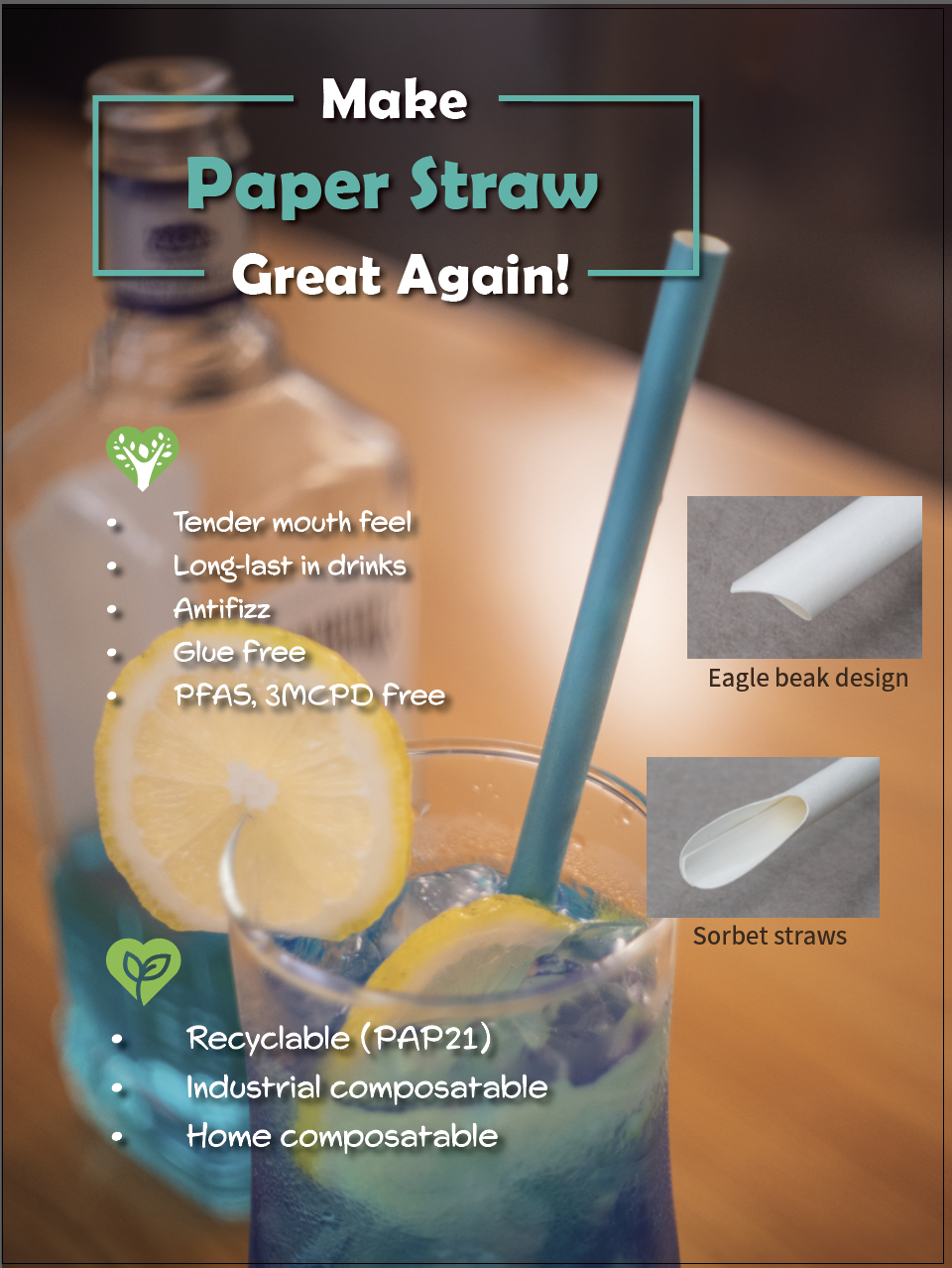
Now that we’ve covered how to buy them, let’s look at why bagasse straws have become a top choice for many business owners. In short, these 3 practical benefits align perfectly with daily operational needs:
First, cost-effectiveness. Bagasse is a by-product of the sugar industry, so raw material costs are relatively low. Plus, the production process relies mostly on physical processing. Compared to other plant-based biodegradable drinking straws, bagasse straws offer better value, making them ideal for bulk use. Second, versatile use cases. They stay stiff in cold drinks, hot drinks, and even long-term soaking, solving the mushing problem of regular paper straws. Third, genuine sustainability. As compostable straws, they fully decompose within 180 days in industrial composting environments. With renewable raw materials, using them lets you act on your environmental commitments while showing customers your dedication to sustainability.
PART 04
A Quick Reminder: Eco-Friendliness Doesn’t Stop at Purchase—Proper Disposal Counts Too
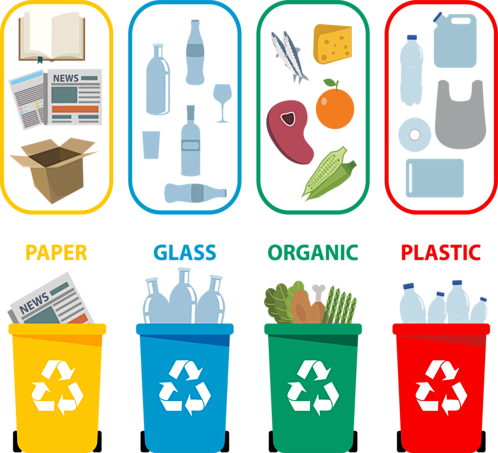
Choosing the right truly biodegradable straw is just the first step—proper disposal afterward is equally important. If compostable straws are mixed with regular trash and sent to landfills, they’ll barely decompose. We recommend two steps: First, set up a dedicated wet waste recycling area in your shop to guide customers on proper disposal. Second, communicate with local waste management agencies to ensure compostable straws end up in the right composting system.
You can also share the environmental value of compostable straws with customers through posters or quick staff explanations—for example, “This bagasse straw naturally decomposes after use and becomes soil nutrients.” This not only spreads green awareness but also shows your shop’s thoughtfulness, strengthening the connection with your customers.
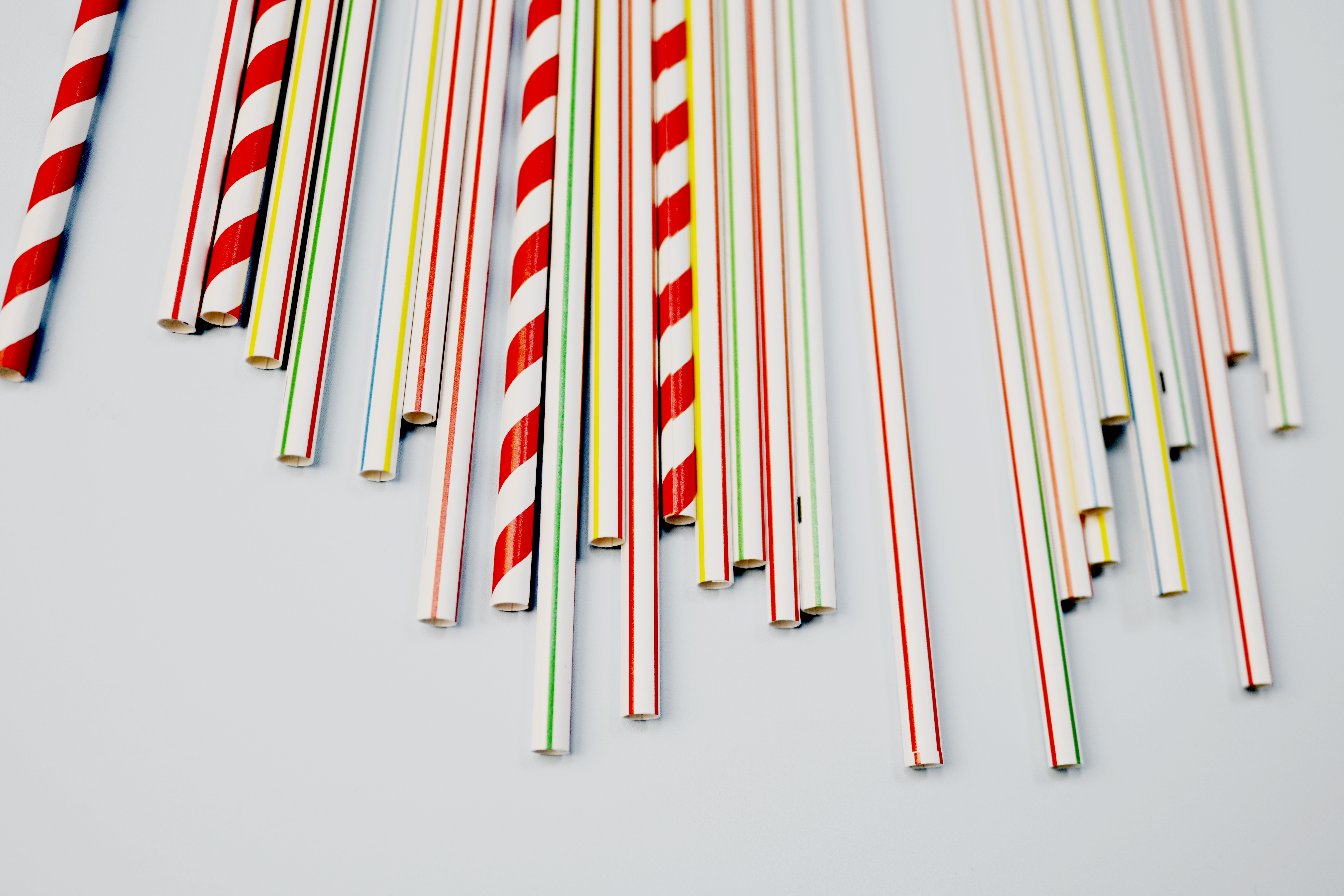
Ultimately, choosing biodegradable drinking straws isn’t about “following the eco-trend”; it’s a rational choice that balances user experience and sustainability responsibilities. By avoiding greenwashing and picking sturdy, truly compostable options like bagasse straws, you can achieve a win-win for both the environment and your business. If you have other questions about the purchasing process, feel free to quote us!
-The End-

Web: www.mviecopack.com
Email:orders@mvi-ecopack.com
Telephone: 0771-3182966
Post time: Dec-30-2025


