



5 PRATICAL TIPS FOR HOME COMPOSTING|
START YOUR URBAN SUSTAINABLE JOURNEY
Publisher: MVI ECO
2026/1/20
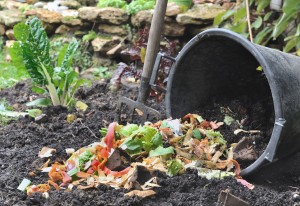
Have you ever stared at the pile of fruit peels and vegetable scraps piling up in your kitchen, wondering if they could have a better fate? Or, as a gardener, are you looking for an affordable and eco-friendly way to nourish your plants?The answer is home composting. Not only is it an excellent way to cut down household waste, but it also creates nutrient-rich compost known as “black gold” for your garden soil. This article will break down the home composting process, helping you master it easily from scratch. We’ll also explore an often-overlooked composting gem: how certified home compostable tableware can complete a perfect cycle of sustainable living, tying your eco-friendly choices together.
Why Compost? It’s More Than Just Saving Money
Store-bought bagged compost can be costly, but home composting turns kitchen and garden “waste” into a valuable resource for your plants. Beyond saving money, home composting improves soil structure, boosts plant health, and enhances soil carbon sequestration—contributing a small yet tangible effort to mitigating climate change. This is a hands-on eco-friendly action that bridges your daily life with sustainable living.
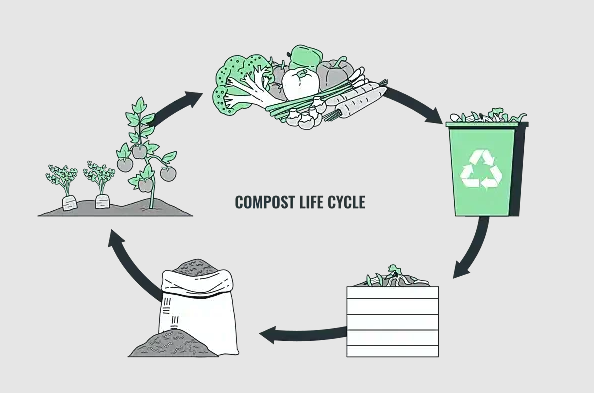
Core Method: Easy “Cold Composting”
For most households, “cold composting” is the most straightforward and low-maintenance home composting method. It requires no complex equipment or frequent turning—instead, it relies on microbes to break down organic matter slowly in aerobic conditions. While the home composting process takes 6 to 12 months, it needs almost no extra effort from you, making it perfect for beginners and busy urban dwellers new to composting.

5 Steps to Start Your Composting Journey
1. Start with a Simple Bin (No Fancy Gear Needed)
A basic plastic trash can with a lid works perfectly for home composting (remember to drill a few holes in the sides and bottom for airflow—this is crucial, otherwise the compost will rot and smell). If you have outdoor space, nail four old wooden planks or pallets into a square bin—it’s cheap, easy, and looks more aesthetically pleasing than a plastic can for your home compost pile.Two key rules for placement: Keep it in a cool, sheltered spot (avoid direct sunlight, as it will dry out the pile; don’t place it in a windy area, or it will get soaked by rain). Always keep the lid on—it keeps out rain and pests, allowing the compost to ferment properly.
2. Know What to Add (and What to Avoid—Non-Negotiable!
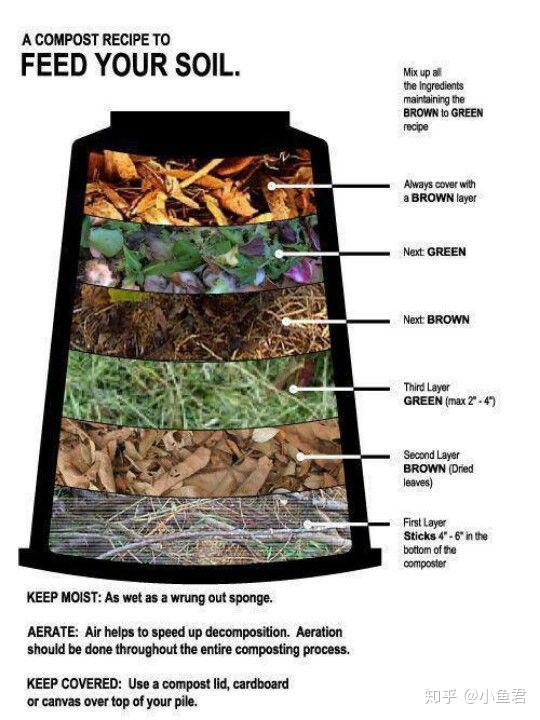
Composting is all about balance—just like making a salad, you can’t pile only one ingredient. Compost “ingredients” fall into two main categories: nitrogen-rich “green materials” and carbon-rich “brown materials.”
1)Green Materials (Nitrogen Source)
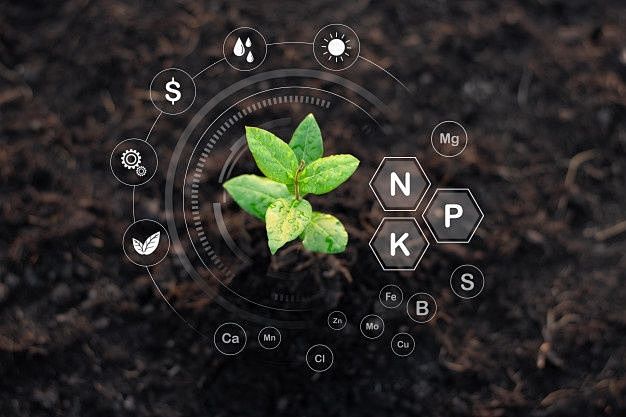
These are moist, fresh scraps that serve as “food” for the microbes breaking down your home compost. Examples include vegetable/fruit peels, coffee grounds (I save mine from morning brews—super useful for home composting!), tea bags (remove the staple first!), fresh grass clippings, and wilted flowers. All these materials integrate seamlessly into your compost pile.
2)Brown Materials (Carbon “Structure”)
These are dry, bulky items that keep your home compost aerated (lack of air causes stench). Think dry leaves (stock up in fall for year-round home composting!), shredded newspaper or cardboard, small twigs, and sawdust (from untreated wood only).
3)The Golden Ratio & Hard No-Nos
Aim for a volume ratio of roughly 2–3 parts brown materials to 1 part green materials—no precise measuring needed. I usually toss a bucket of kitchen scraps (green) and follow it with two handfuls of dry leaves (brown)—simple and hassle-free.
Now, the critical part: There are some things you must never add!
- Meat, fish, dairy, oil, and grease (they rot, smell terrible, and attract rats);
- Cat litter or dog waste (may contain pathogens);
- Diseased plants (to avoid spreading germs to your garden).
3. Try the “Lasagna” Layering Trick—A Must for Beginners
Want faster, odor-free composting? Try the “lasagna” method—exactly what it sounds like: layer greens and browns like you’re making lasagna.Start with a 2cm layer of coarse brown materials (twigs or cardboard) at the bottom for drainage—this sets a solid foundation for your home compost. Then alternate layers of green and brown materials, each 5–10cm thick. That’s it! This ensures even air and nutrients from the start, getting microbes to work quickly on your home compost—much more efficient than just piling everything randomly.
4. Turn It Occasionally, But Don’t Obsess
Microbes need oxygen to survive, so turn the pile every few weeks with a garden fork or shovel, bringing the bottom layers to the top. No need to do this daily (I’ve forgotten for months at a time, and the compost still turns out fine).Moisture is also key for successful home composting—your compost should feel like a wrung-out sponge: damp, but not dripping. If it’s too dry (no signs of decomposition), spritz with a little water. If it’s too wet (soggy and smelly), add more brown materials to soak up excess moisture and revive your home compost.
5. Be Patient, Then Harvest Your “Black Gold”
The simple, low-effort cold composting we’re talking about takes time—usually 6–12 months. I know, waiting is frustrating, but trust me, the payoff is worth it.
Mature home compost is dark brown, crumbly, and smells like fresh dirt (not rot). Once it reaches this state, it’s ready to use—mix it into your garden soil, top-dress potted plants, or use it as mulch. Your plants will grow lusher and greener—all thanks to your kitchen scraps and well-maintained home compost.Home composting isn’t a precise science that requires perfection; it’s a practice of patience and observation. Starting with one bin and sorting your scraps, you’re already making a positive change for the planet. When you hold your first handful of homemade, warm “black gold,” the sense of accomplishment and connection to nature is unparalleled.
Take action now to give your waste a new life through home composting, and let your home compostable tableware fulfill its final green mission. This small step amplifies your eco-impact, making sustainable living a natural part of your daily routine.
|
Want to Achieve Zero Waste for Your Food Service Business? Our professional eco-team offers consulting services to help you develop a comprehensive compostable packaging solution, including home compostable tableware options. Contact us to align your business with sustainable practices and achieve your zero-waste goals together. |

-The End-
|
|
Related Articles:
CAN YOU REALLY HAVE A HAND-FREE, ZERO-WASTE KITCHEN?THE TRUTH ABOUT TRULY COMPOSTABLE PLATE
Sturdy & Truly Compostable? Your Guide to Choosing Bagasse Straws & Dodging Greenwashing
Why Sustainable Bagasse Packaging Is the Future of Food Delivery Industry?

Web: www.mviecopack.com
Email:orders@mvi-ecopack.com
Telephone: 0771-3182966
Post time: Jan-20-2026


