


Why Sustainable Bagasse Packaging
Is the Future of Food Delivery Industry?
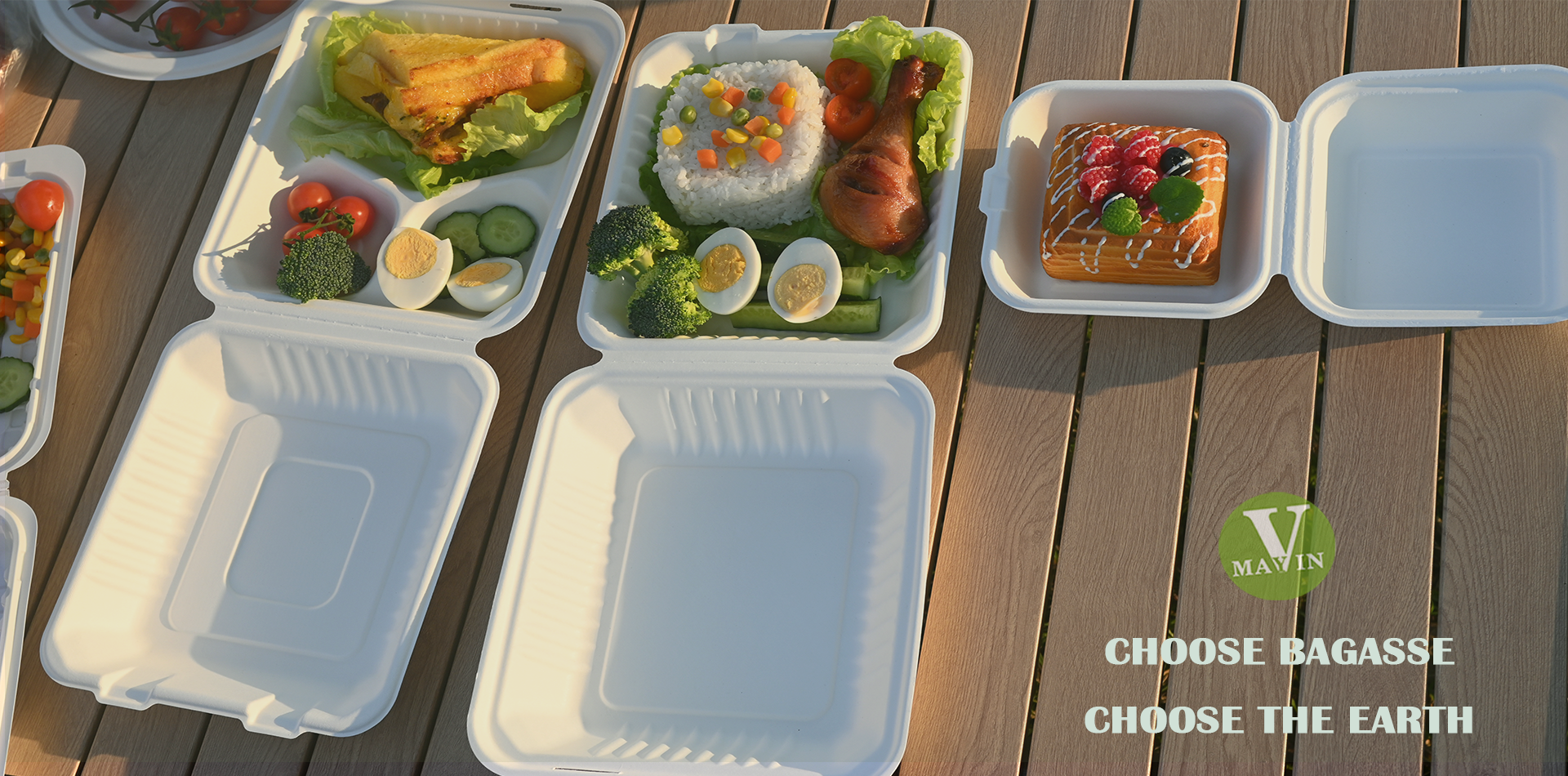
Sustainability isn’t just a buzzword tossed anymore—it’s a daily consideration for anyone in the food industry.
Walk into a café, scroll through a meal delivery app, or chat with a caterer, and you’ll hear the same concern: how to cut down on plastic waste without sacrificing practicality. This shift isn’t just about feeling good about the planet; it’s about meeting the expectations of customers who’re paying closer attention to where their food (and its packaging) comes from. Enter sustainable bagasse packaging for food delivery—a solution that’s quietly transforming how we get our meals, balancing sturdiness, eco-friendliness, and real-world use.
At MVI ECOPACK, we’ve spent years perfecting this material because we believe sustainable products shouldn’t feel like a compromise.
PART 1
Why Food Delivery Is Ditching Plastic for Sustainable Alternatives
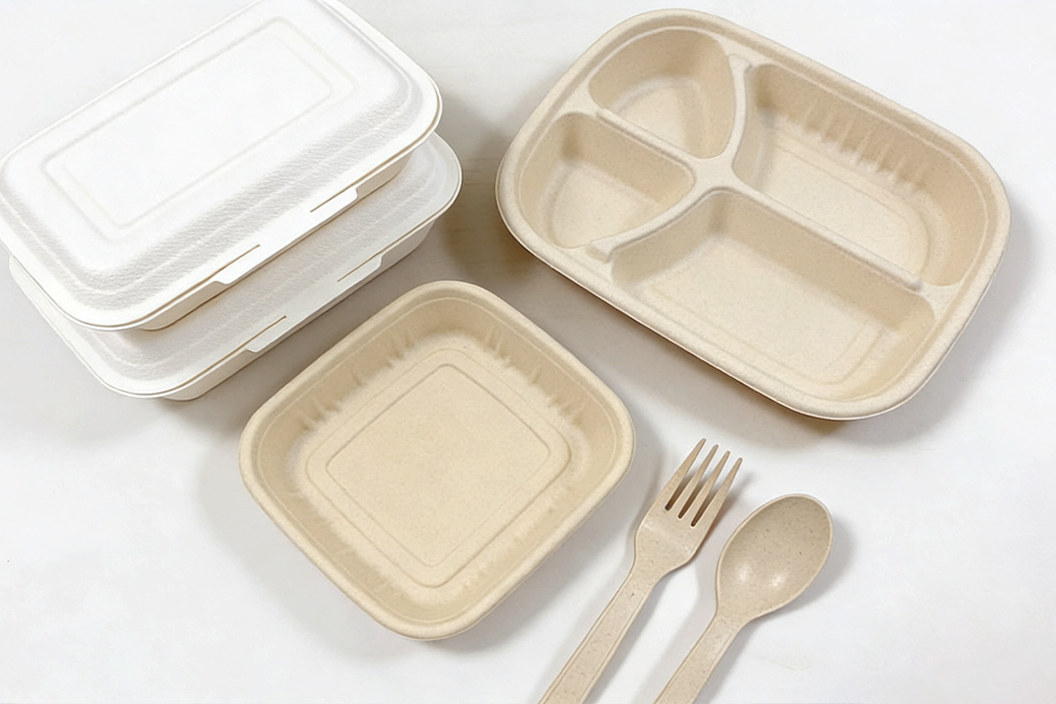
Meal delivery has become a staple of modern life—whether it’s a busy parent grabbing dinner after work, a student ordering lunch between classes, or a group getting takeout for a movie night. But this convenience has a steep environmental cost. The Ellen MacArthur Foundation estimates that a single food delivery order can generate up to 5 kilograms of plastic waste, from the container holding the food to the tiny sauce packets. Most of this plastic ends up in landfills, where it can take 500 years or more to break down, or in oceans, harming marine life. It’s a problem that’s hard to ignore—and consumers are starting to demand better.
Regulators are stepping in too. The EU’s Single-Use Plastics Directive has already banned items like plastic cutlery and foam containers, with strict penalties for businesses that don’t comply. In the U.S., cities like Seattle have imposed fees on single-use plastics, while Canada has committed to phasing out most non-recyclable plastics by 2030. But the real push is coming from everyday people. A 2024 Nielsen survey found that 78% of European shoppers and 72% of Americans would pay a little extra for food delivered in sustainable packaging—and 60% said they’d stop ordering from a brand that relies too much on plastic. For café owners, restaurant managers, and delivery services, this isn’t just a trend to follow; it’s a way to keep their customers happy and their businesses relevant.
PART 2
What Is Bagasse? The “Waste” That’s Becoming a Sustainability Hero
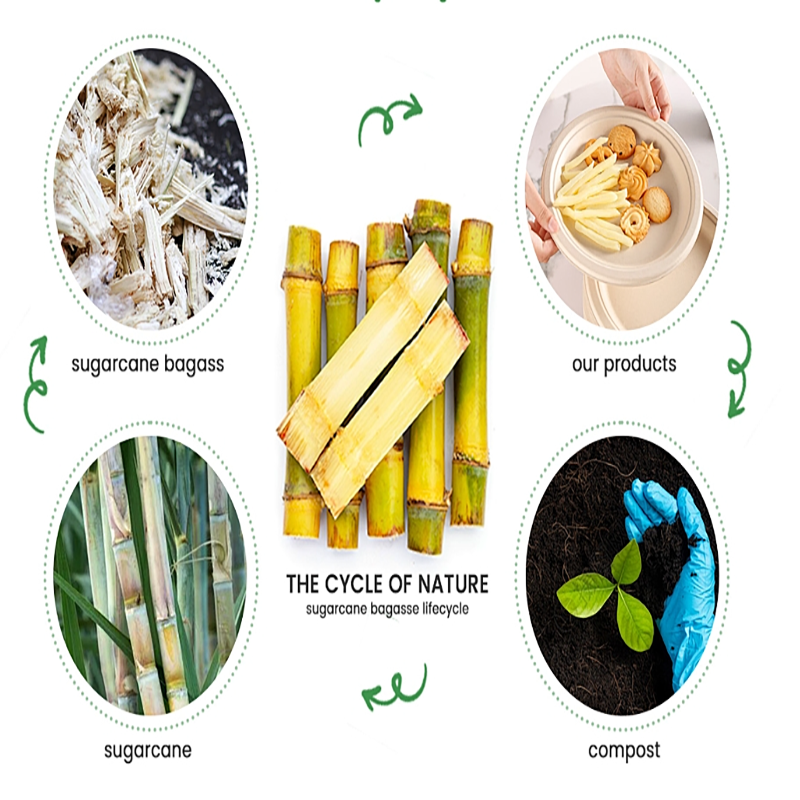
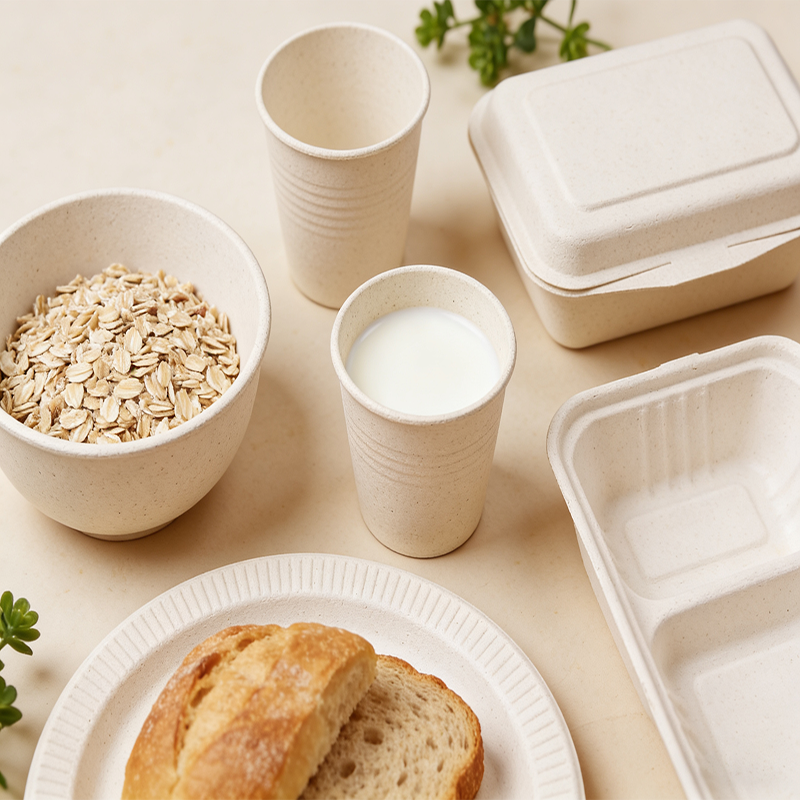
If you’ve ever enjoyed a glass of fresh sugarcane juice, you’ve encountered bagasse—even if you didn’t know its name. It’s the fibrous, dry pulp left behind after sugarcane is pressed to extract its sweet liquid. For decades, sugar mills had no use for it; they’d burn it to generate cheap energy (which created air pollution) or dump it in landfills. But in the last 10 years, innovators have realized this “waste” has incredible potential. Today, bagasse is the primary material for a range of sustainable bagasse packaging for food delivery, and its eco-credentials are hard to beat.
First, it’s 100% renewable. Sugarcane grows quickly—most varieties mature in 12 to 18 months—and it’s a low-maintenance crop that requires minimal pesticides or fertilizers. Since bagasse is a byproduct, we’re not using extra land, water, or resources to produce it; we’re just making use of something that would otherwise go to waste. Second, it’s fully biodegradable. Unlike plastic, which lingers in the environment for centuries, or foam, which never truly breaks down, bagasse packaging decomposes in 90 to 180 days in commercial compost facilities. Even in home compost piles, it breaks down quickly, leaving behind nutrient-rich soil that feeds plants. It’s a perfect circle: the same earth that grows sugarcane gets nourished by the packaging made from its pulp.
PART 3
4 Ways Bagasse Packaging Solves Food Delivery’s Biggest Headaches
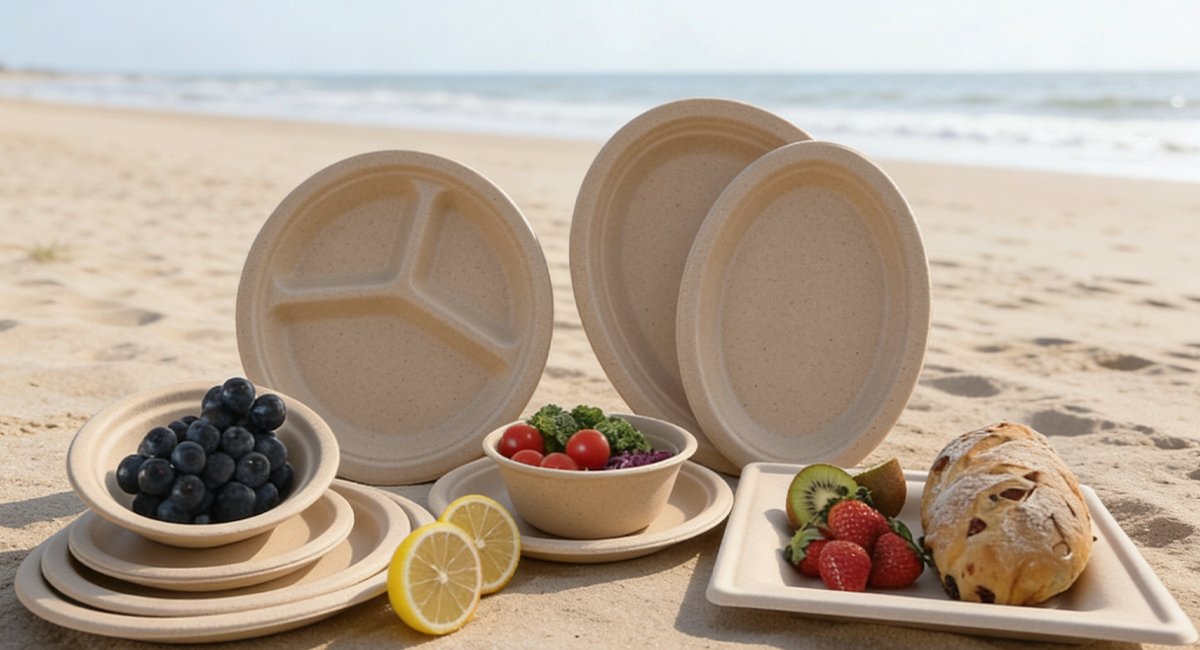
Being eco-friendly is great—but for food packaging, it has to work in the real world. No one wants a container that leaks soup all over the car, or a plate that collapses under a slice of pizza. The best thing about bagasse is that it doesn’t force you to choose between sustainability and practicality. It’s tough, versatile, and designed for how people actually use food delivery.
⁄ ⁄ ⁄
1. Sturdy Enough for Even the Roughest Deliveries
Food delivery is chaotic. Packages get tossed into bike baskets, jostled in car trunks, and stacked under heavier items. Bagasse’s fibrous structure makes it surprisingly strong—stronger than paper, and even comparable to some plastics. It can handle temperatures from -20°C (perfect for frozen desserts) to 120°C (ideal for hot curries or grilled sandwiches) without warping or melting. Unlike paper containers, it doesn’t turn soggy when it touches sauce or condensation. We’ve heard from café owners who switched to bagasse and saw complaints about “messy deliveries” drop by 30%—and that’s not just good for the environment; it’s good for customer satisfaction. Imagine a bowl of noodle soup arriving hot, intact, and without a single leak—that’s what bagasse delivers.
2. Compliant with Rules—No More Regulatory Headaches
Keeping up with packaging regulations can feel like a full-time job. One month a city bans foam, the next the EU updates its compostability standards. The beauty of sustainable bagasse packaging for food delivery is that it’s designed to meet these rules from the start. It’s fully compliant with the EU’s Single-Use Plastics Directive, approved by the FDA for direct food contact in the U.S., and meets global compostability standards like ASTM D6400 and EN 13432. That means no more last-minute scrambles to replace packaging when a new law takes effect, and no risk of fines for using non-compliant materials. For small business owners who already have enough on their plates, that peace of mind is priceless.
3. Customers Notice—And They’ll Come Back
Today’s consumers don’t just eat with their taste buds—they eat with their values. A 2023 Food Marketing Institute study found that 65% of people are more likely to order from a restaurant that uses sustainable packaging, and 58% will recommend that spot to friends and family. Bagasse has a natural, earthy look that signals “eco-friendly” without being loud about it. We’ve worked with a bakery in Portland that started using bagasse boxes for their pastries and added a small note on the box: “This container is made from sugarcane pulp—compost it when you’re done.” Within three months, they noticed regular customers mentioning the packaging, and their social media posts about the switch got more likes and shares than any promotion they’d run. It’s not just about being sustainable; it’s about connecting with customers who care about the same things you do.
4. It’s Affordable—Myth Busted
The biggest myth about sustainable packaging is that it’s too expensive. But as demand for bagasse has grown, manufacturing processes have become more efficient—and today, it’s comparable in cost to traditional plastic or foam, especially when you buy in larger quantities. Many cities and states even offer tax incentives or rebates for businesses that use biodegradable packaging. Let’s break it down: if a plastic container costs $0.10 each and a bagasse one costs $0.12, but the bagasse option cuts down on customer complaints (and lost business) and qualifies for a 5% tax credit, the math starts to favor sustainability. We’ve had a Restaurant owner in Miami tell us that switching to bagasse didn’t increase his packaging costs at all—once he factored in the local rebate. Sustainability doesn’t have to break the bank.
PART 4
Bagasse Isn’t Just a Trend—It’s the Future of Food Delivery
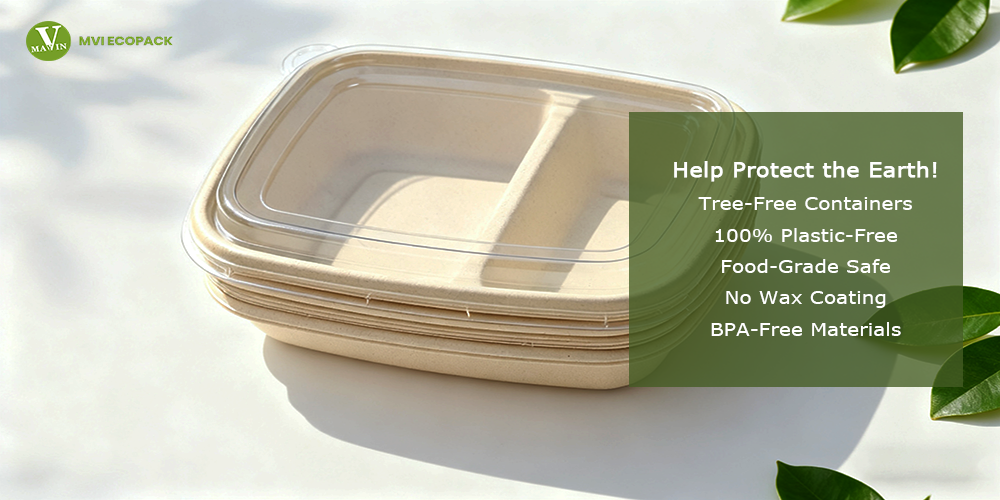
As food delivery continues to grow, sustainability won’t be an optional add-on—it’ll be the standard. Customers will expect it, regulators will require it, and businesses that get on board early will have a competitive edge. Sustainable bagasse packaging for food delivery checks every box: it’s kind to the planet, tough enough for real-world use, compliant with rules, and loved by customers. At MVI ECOPACK, we’re constantly testing and improving our bagasse products—whether it’s a leak-proof soup container or a stackable burger box—because we know the best sustainable solutions are the ones that work seamlessly with how people live and eat.
-The End-

Web: www.mviecopack.com
Email:orders@mvi-ecopack.com
Telephone: 0771-3182966


