


Understanding the difference between these three terms might be the most important step your business takes toward sustainable tableware.Ever stood in front of a shelf of “eco-friendly” tableware and felt totally lost? Are compostable and biodegradable the same thing? Can a slightly greasy bagasse bowl go into the recycling bin? When you’re sourcing sustainable tableware for your business – or looking for compliant solutions for your own brand – these questions can feel overwhelming.If you’ve ever struggled with them, you’re not alone. The global eco-friendly tableware market topped US$120 billion in 2025, with China contributing more than 40%. More choices should be good, but they also bring a flood of confusing marketing terms. Today, we’ll cut through the noise and explain once and for all the key differences between compostable, recyclable, and biodegradable – from a procurement and compliance perspective.
TABLE OF CONTENTS
1.Compostable – The “Gold Standard”
2.Recyclable – A “second life”, but strict rules apply
3.Biodegradable – The biggest wildcard
4.How to make the right choice for your business
5.Beyond the basics: PLA & PHA – the new direction in compostable tableware
6.2026 regulations and trends every buyer must know
Compostable – The “Gold Standard”
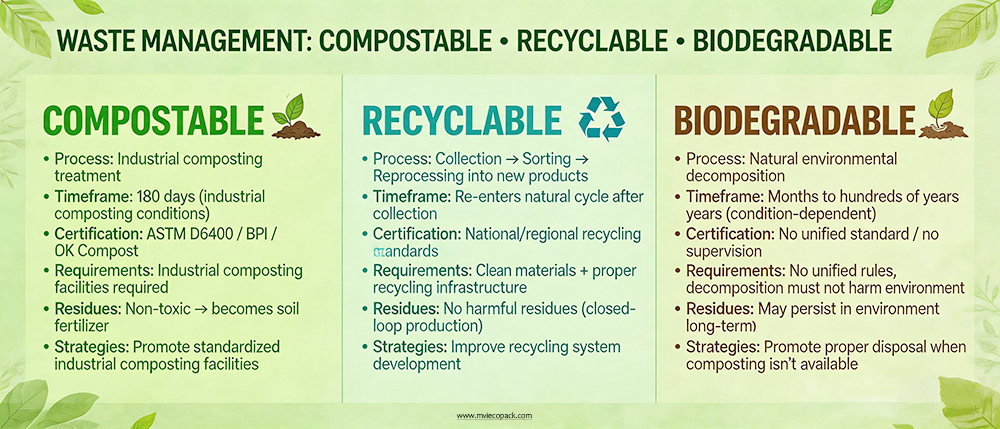
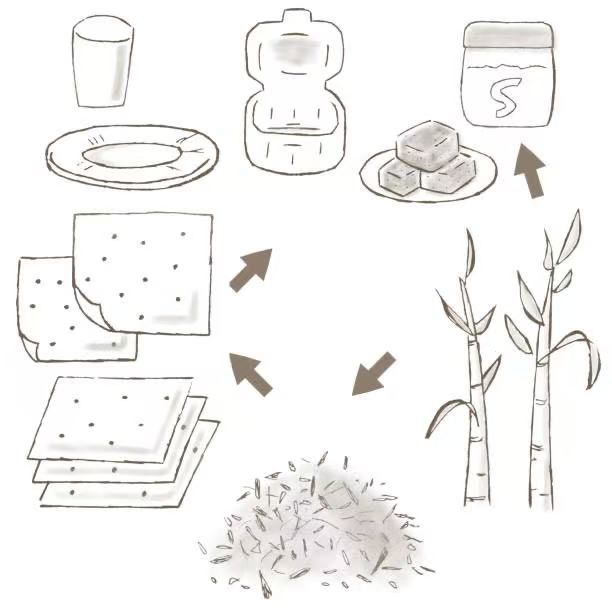
Among all eco-labels, compostable is the most demanding. According to ASTM D6400-21 and the Biodegradable Products Institute (BPI), a truly compostable product must fully break down into carbon dioxide, water, and nutrient-rich humus within 180 days in an industrial composting facility, leaving no toxic residues.Why industrial? Because these facilities maintain high temperatures, humidity, and the right balance of microorganisms – conditions home compost piles can’t replicate. Common compostable materials include PLA (polylactic acid), CPLA, wheat straw, and bagasse.Always check for third party certifications like BPI, TÜV OK Compost, or DIN CERTCO. Remember: most compostable products won’t break down properly in a landfill or a home pile. So first, confirm whether your target market has industrial composting facilities.
Recyclable – A “second life”, but strict rules apply
Recyclable products are collected, sorted, cleaned, melted, and remade into new items. Unlike compostable ones, they don’t “decompose” – instead, they re-enter the industrial loop.Typical examples: paper pulp bowls, aluminum foil containers, or certain plastics marked with resin codes 1, 2, or 5. They are turned back into raw materials (e.g. old paper bowls repulped into new paper products).However, one detail is often overlooked: even a recyclable item can be rejected if it has food residue, grease, or too much moisture – contaminating an entire batch and sending it straight to landfill. Studies show that over the past 60 years, only 9% of plastic waste has ever been recycled. Recycling rules vary dramatically from region to region. Even within the EU, what’s “recyclable” in one country may not be in another. Always check the local recycling guidelines of your destination market.
Biodegradable – The biggest wildcard
Biodegradable is the broadest – and most misleading – term. It simply means a material can be broken down by microorganisms (bacteria, fungi) in the natural environment.The problem? “Over time” could be a few months… or hundreds of years. Many “biodegradable” plastics simply fragment into microplastics, which then linger in soil and water for decades, harming wildlife and ecosystems.There is no universal standard for the term “biodegradable”. If you still need to choose a biodegradable product, look beyond the label: prioritise plant-based materials (cornstarch, agave, bamboo, straw) and ask your supplier for a specific decomposition timeframe (e.g. under 12 months) and assurance that no microplastics remain in the end product.
How to make the right choice for your business
Industrial composting available in your target market + zero-waste goal → Choose BPI-certified compostable tableware. Well-established recycling system + educated end-users → Recyclable tableware can lower your overall carbon footprint. But remember to budget for user education (cleaning, sorting).Neither composting nor recycling is viable, but you still need a plant-based solution → Opt for plant-based biodegradable products as a plan B, but always demand a specific decomposition timeline and no microplastics.
Beyond the basics: PLA & PHA – the new direction in compostable tableware
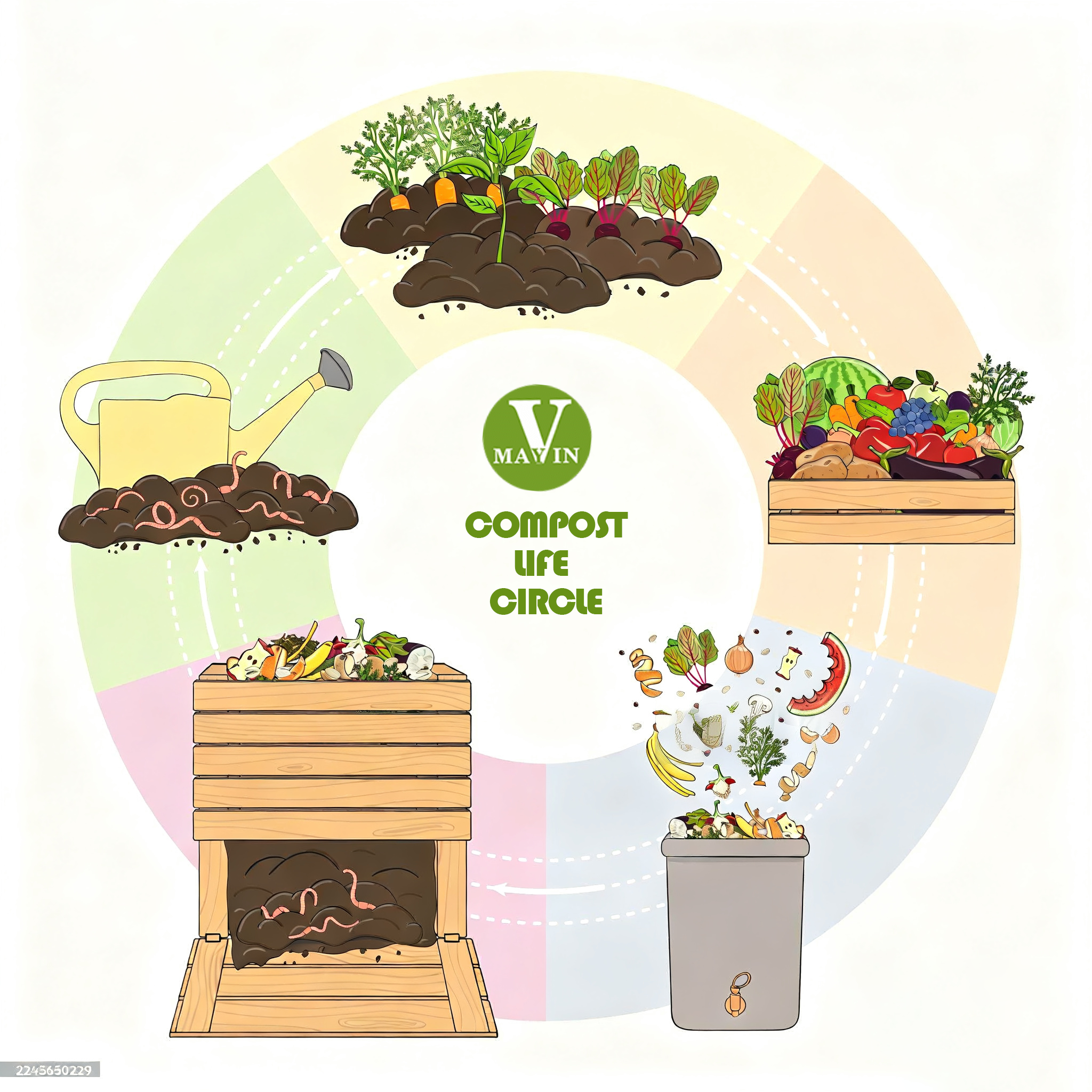
Not all bioplastics are the same. PLA (polylactic acid), made from fermented corn starch or sugarcane, is already a workhorse of the compostable tableware industry. Under industrial composting conditions, it decomposes within months.A newer generation is also emerging: PHA (polyhydroxyalkanoates), synthesised by microbial fermentation. Compared to PLA, PHA offers a wider degradation window and a more natural biological cycle – making it especially promising for marine degradable applications.It’s worth noting that 67% of global consumers are willing to pay 15–20% more for eco-friendly tableware – so a credible green label is not just about ethics, it’s also good business.
2026 regulations and trends every buyer must know
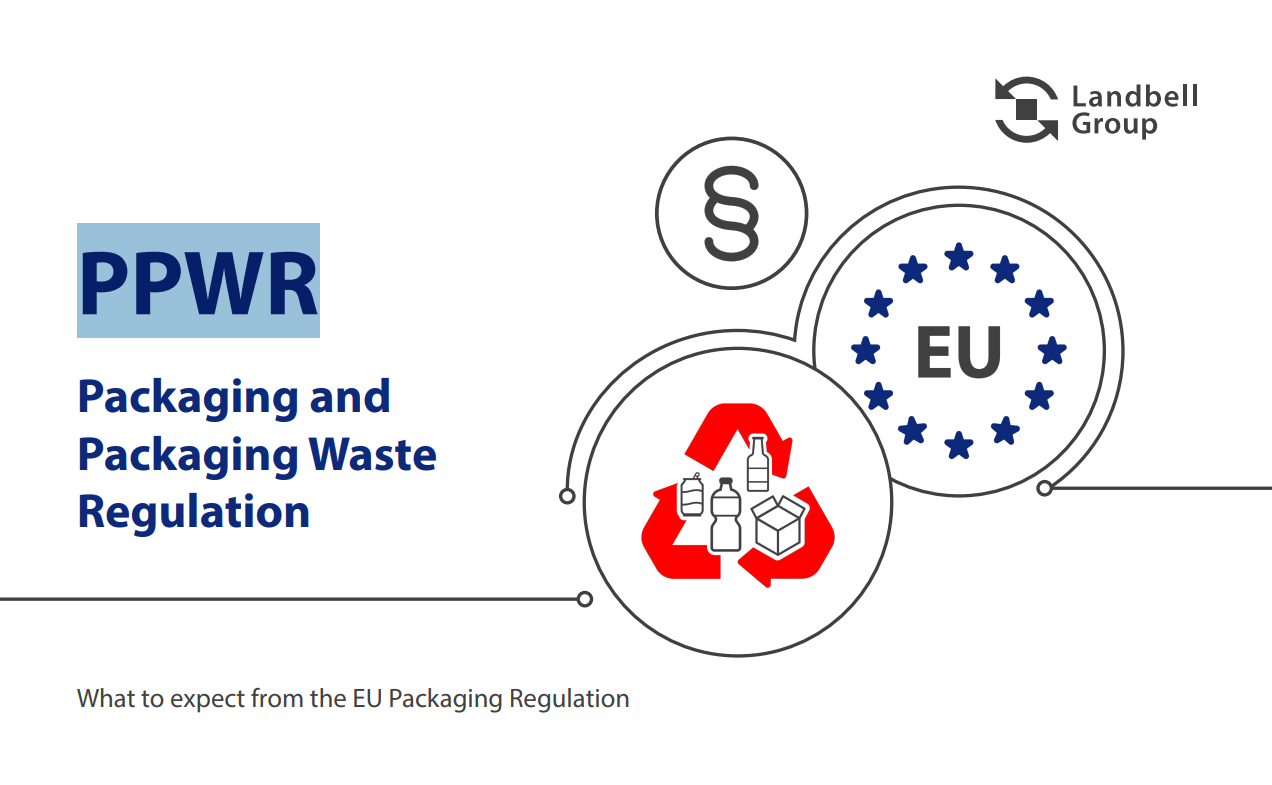
With the EU’s Single-Use Plastics Directive now fully implemented and the Packaging and Packaging Waste Regulation (PPWR) taking effect in August 2026, three major sectors – food delivery, airline catering, and supermarket ready-meals – are being completely reshaped. The PPWR bans certain types of single-use plastic packaging for dine-in settings from 2030 onwards and sets strict targets for recycled content and recyclability.For exporters to North America, be aware that some US states have imposed anti dumping duties as high as 12% on certain Asian made biobased tableware. Knowing the regulatory landscape of your export market is just as important as the product’s environmental performance.
|
Need a Private Label Service for Your Zero Waste Business? Our professional eco-team offers consulting services to help you develop a comprehensive RNEWABLE packaging solution, including private label production for your business.Contact us to align your business with sustainable practices and achieve your zero-waste goals together. |
RELATE POST
GO PLASTIC-FREE WITH ECO PACK: WAYS STEP INTO A ZERO-PLASTIC LIVING
Molded Fiber Tableware: Why This Plastic Alternative Actually Works-MVI ECOPACK
Why Sustainable Bagasse Packaging Is the Future of Food Delivery Industry?


