


CAN YOU REALLY HAVE A HAND-FREE, ZERO-WASTE KITCHEN?
THE TRUTH ABOUT TRULY COMPOSTABLE PLATE
Publisher: MVI ECO
2026/1/16

Let’s start with a confession: sometimes, you just can’t. Can’t face the sink. Can’t muster the energy for one more scrub. Maybe your hands ache, maybe the day was too long, or maybe you’d simply rather spend that precious half-hour anywhere else.You’re not failing at adulthood; you’re navigating it. And that’s where the modern dilemma kicks in. We want the hand-free convenience of disposables, but the guilt of adding to the waste stream feels bad. We see “compostable” and hope it’s the answer, only to hear it might not break down in a landfill. Is there a way out?
Does ‘Compostable’ Actually Break Down in Your Trash? The Greenwashing Trap
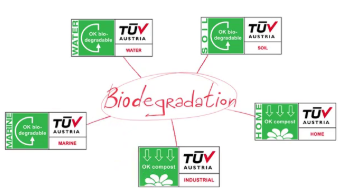
It’s the eco-conscious consumer’s frustration. You buy plates labeled “compostable” or “biodegradable,” believing you’ve made the better choice. But here’s the reality check most packaging won’t tell you:
For a product to be truly compostable, it requires specific, industrial-scale composting facilities with controlled heat, moisture, and microbial activity. In your backyard bin or a municipal landfill—which is airless and compacted—these products often degrade as slowly as regular plastic, potentially releasing methane.The magic word isn’t just on the front label; it’s in the fine print. Look for an official certificate, like the BPI (Biodegradable Products Institute) from the US or OK Compost INDUSTRIAL from Europe., which verifies a product meets strict standards for industrial compostability. Without it, the claim is often just marketing.
Redefining Convenience: The Case for High-Performance Recyclables
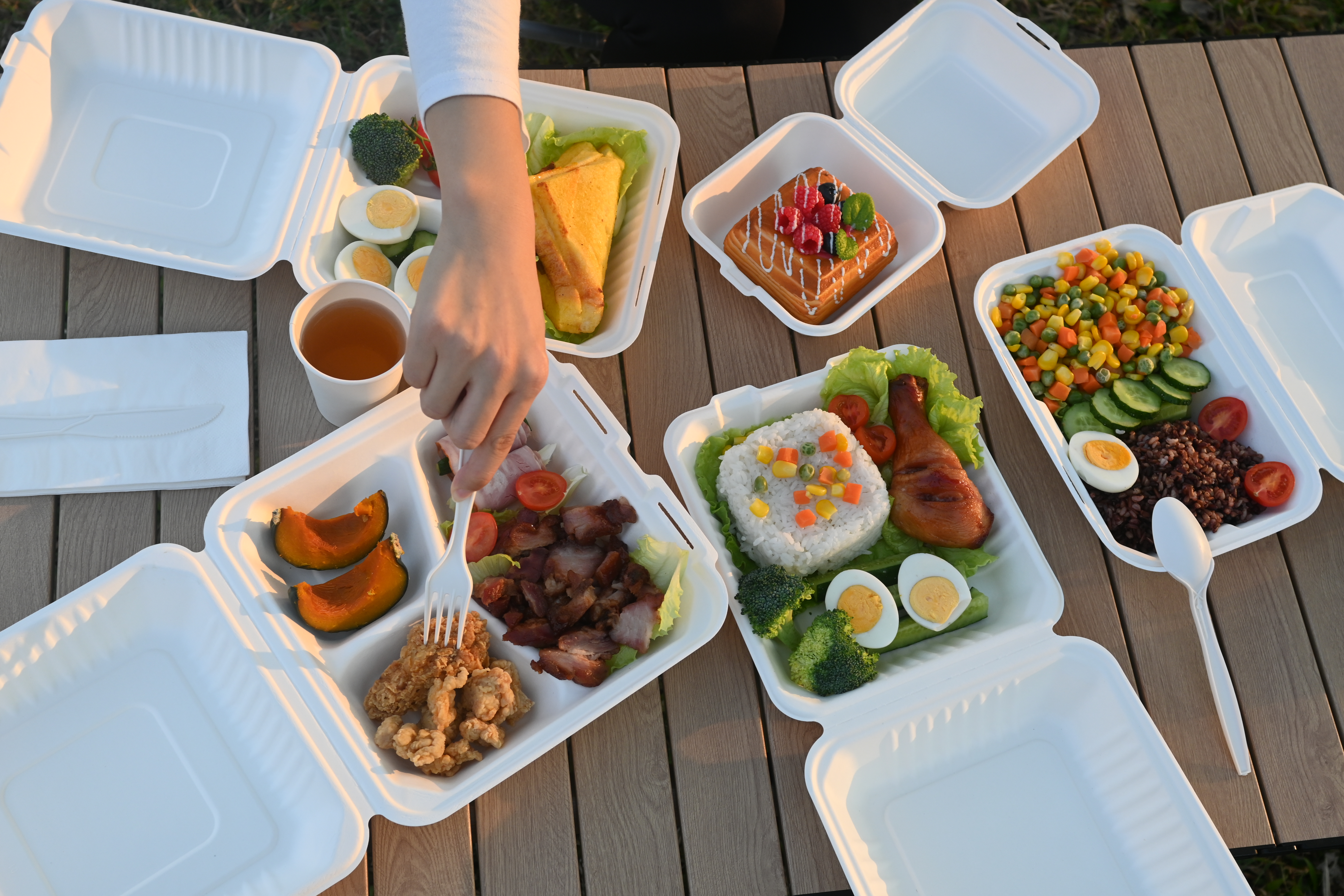
The goal isn’t just to skip doing the dishes. It’s about finding a solution that respects both your time and the planet’s limits. This calls for a strategic mindset shift: when chasing Hand-free convenience in daily life without guilt, recyclable options often beat questionable “compostable” ones.
Why? Because recycling infrastructure is far more prevalent than industrial composting systems. A well-designed recyclable plate enters a familiar, mature cycle—one that’s way more reliable than relying on scarce composting facilities.
- It Works Like a Real Plate: It must be sturdy, leak-resistant, and able to handle a real meal without drama. Convenience falls apart if your dinner is collapsing.
- Its Path is Clear: It should be made from a single, simple material (like molded paper fiber or clean cardboard) and prominently display the recycling symbol (♻). Its end-of-life instruction is simple: “Toss in recycling.”
- It Closes the Loop: After your meal, scrape food scraps into compost/trash, then toss the plate into your recycling bin or community recycling station.This is zero-waste thinking in action—diverting material from landfills and back into the production cycle.
How Do You Spot a Truly Recyclable & Zero-Waste Plate? Your Practical Guide
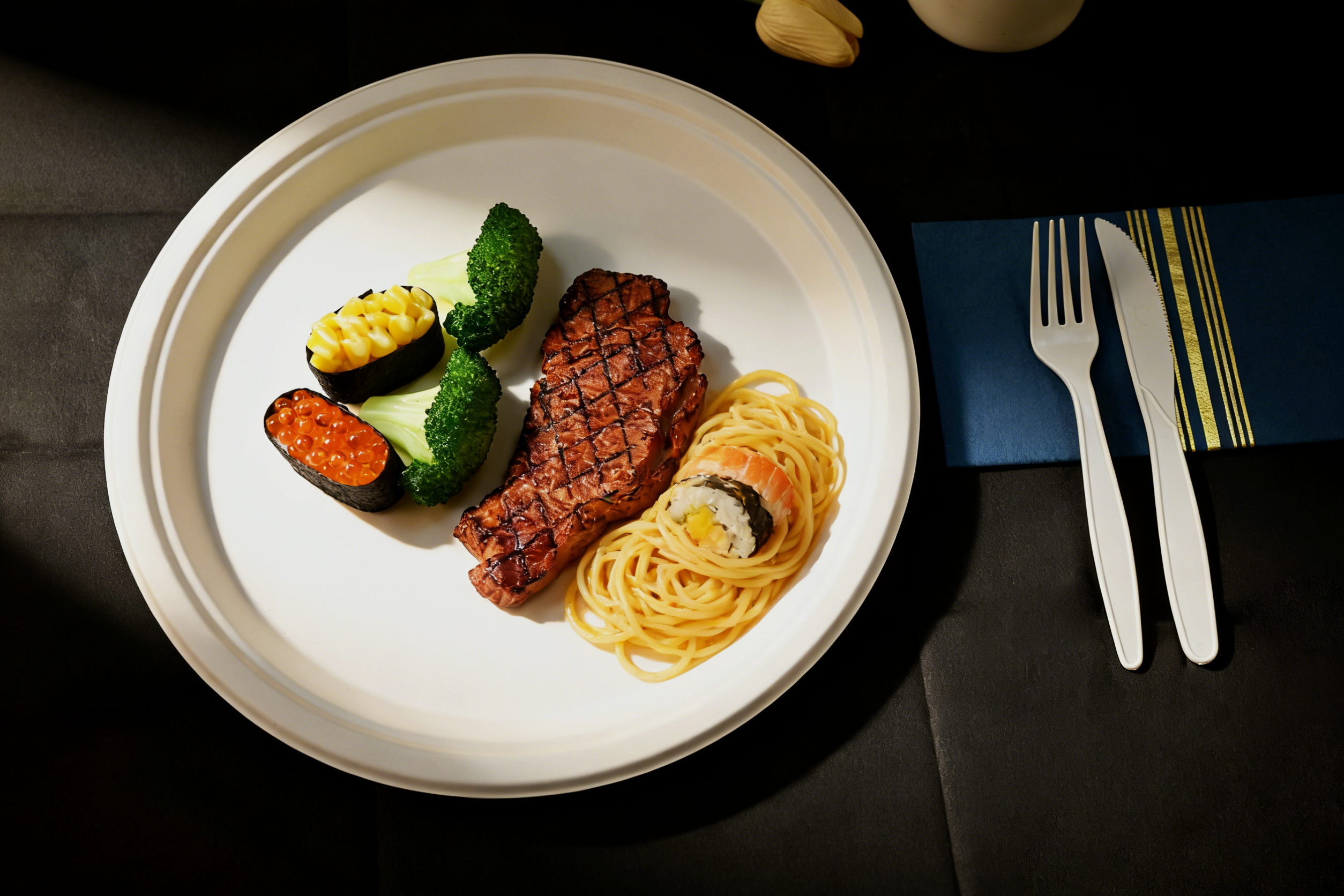
How do you choose?
- Do a reality check: Does it feel solid to the touch? Will it soften or collapse after holding saucy food for 10 minutes?
- Read the fine print on the bottom: Ignore the fancy jargon on the front. Flip it over. Does it have a numbered plastic recycling code, or is it clearly labeled as paper/cardboard? That’s its true identity.
- Prioritize recycled materials: The most sustainable choice is often plates made from post-consumer recycled materials—like Truly biodegradable options such as natural bagasse pulp, cornstarch, or Wheat straw fiber—giving existing resources a second life.
- Use consciously: This is about balance, not replacement. It’s perfect for exhausted weekday nights, hasty takeout lunches, or casual gatherings where you want to be a guest, not a cleaner.
Joining a New Kind of Club
Sustainable living isn’t about purity; it’s about better, more informed choices. Choosing a durable, genuinely recyclable plate for the right moments is a powerful double win: you grant yourself hand-free ease while supporting a zero-waste circular economy.
It’s a small, practical step toward a life with less guilt and more time for what actually matters.
What’s your biggest hack for balancing convenience and sustainability in the kitchen? Share your thoughts below—let’s learn from each other.
Related Articles:
Sturdy & Truly Compostable? Your Guide to Choosing Bagasse Straws & Dodging Greenwashing
Why Sustainable Bagasse Packaging Is the Future of Food Delivery Industry?
-The End-

Web: www.mviecopack.com
Email:orders@mvi-ecopack.com
Telephone: 0771-3182966


