


A BRIEF DISCUSSION ON PLA STRAWS|
A GOOD ENVIRONMENTAL MATERIAL, JUST NEED TO BE “USED CORRECTLLY”
Publisher: MVI ECO
2026/1/6
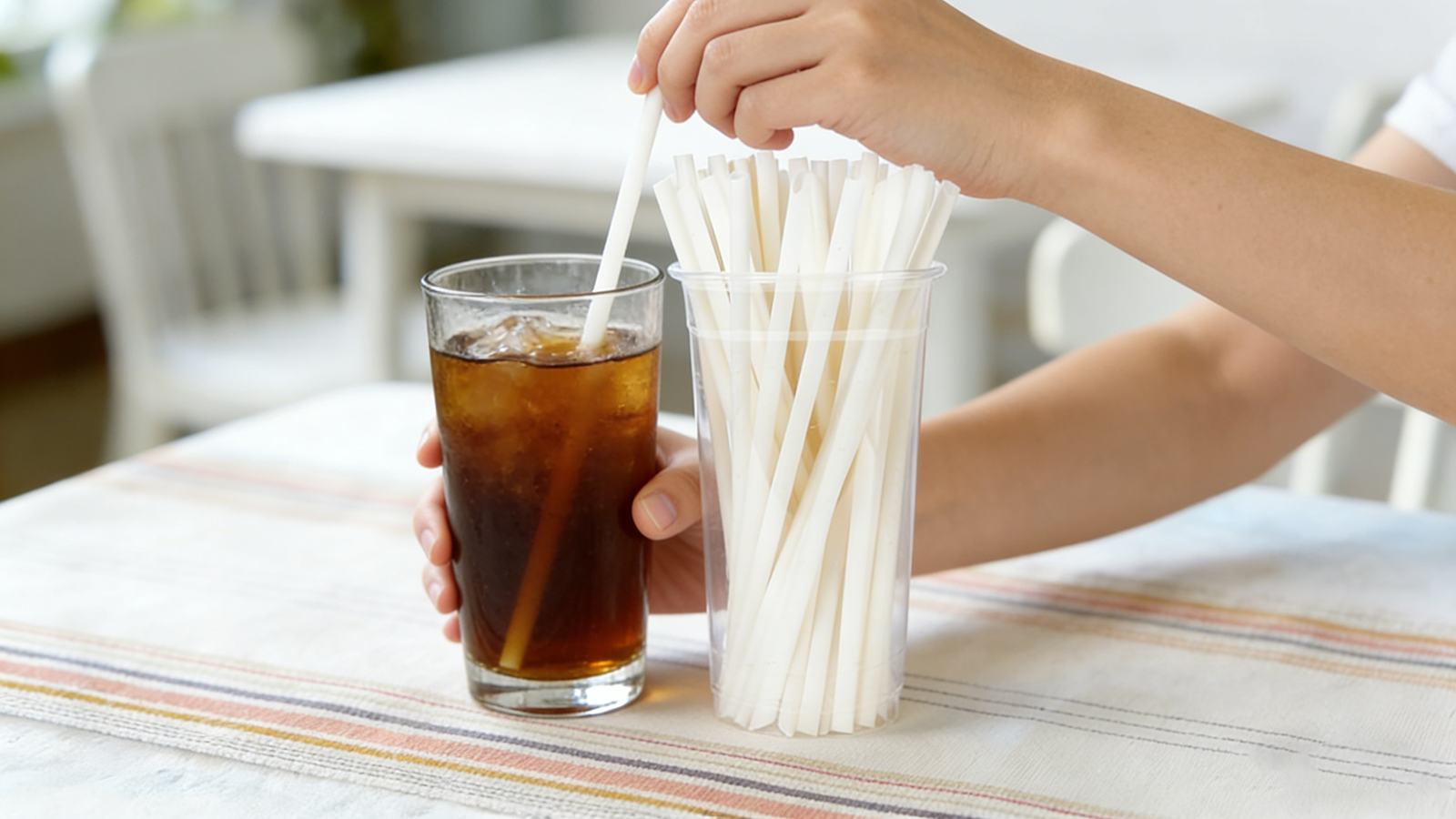 Nowadays, walking into coffee shops, “PLA biodegradable straws” are no longer a novelty. Many people have such doubts when coming into contact with such products: why do PLA straws labeled “biodegradable” not decompose for a long time when thrown into the natural environment? Where exactly does its environmental value lie? In fact, the environmental attributes of PLA are not a “gimmick”, but need to be based on scientific cognition and correct use. Today, from an industry perspective, we will briefly discuss the core value, usage boundaries and key degradation points of PLA straws.
PART I
What is PLA? A Modern Alchemy from Nature
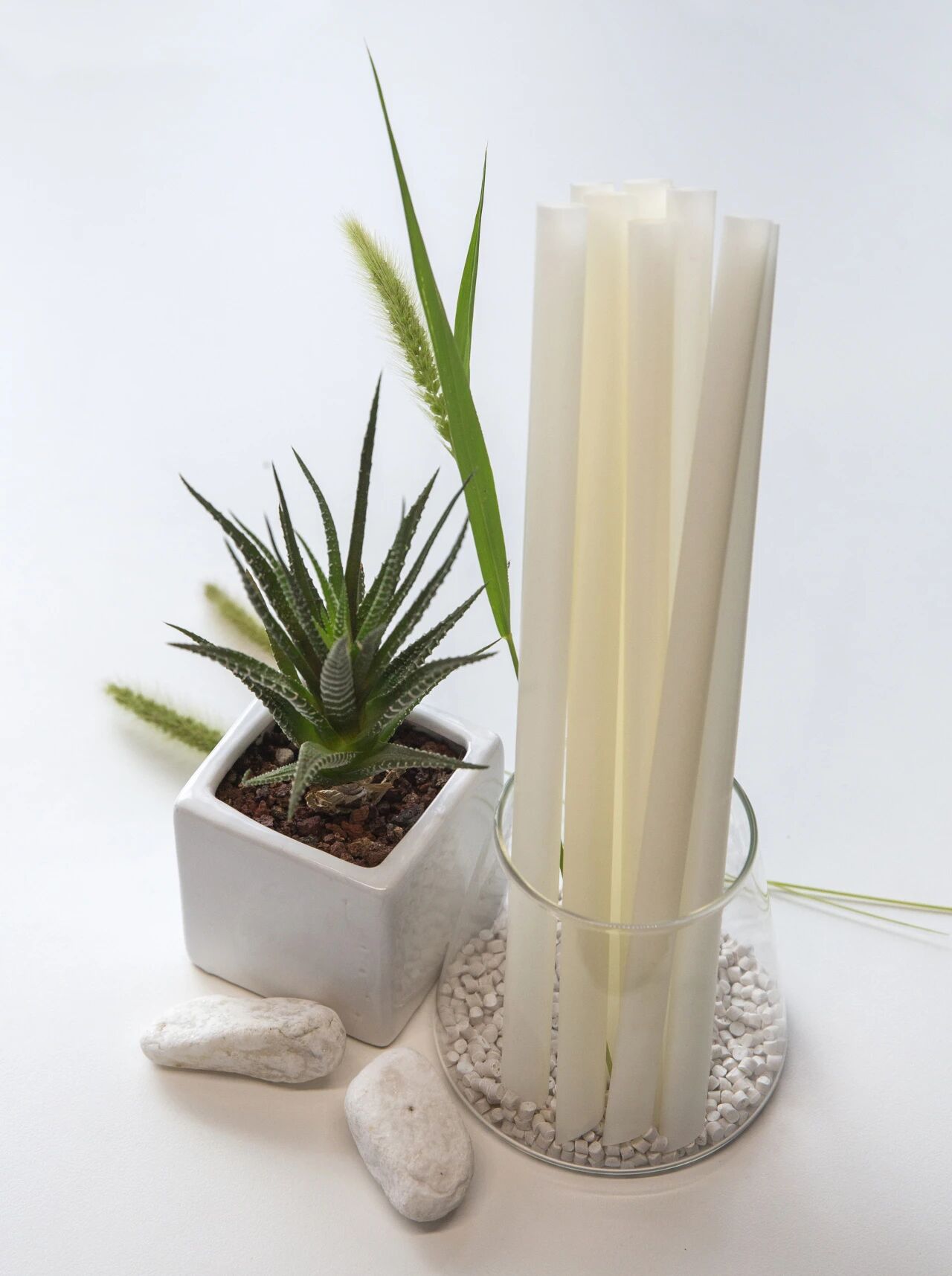
PLA, short for polylactic acid, is a bio-based biodegradable material. Its raw materials are derived from starch crops such as corn and cassava, which are converted into high-strength polymer materials through fermentation, purification and polymerization, forming an initial closed loop of “coming from nature”. Different from traditional plastics relying on petroleum, its renewable attribute is the core advantage.
According to data from China Plastics Processing Industry Association, producing 1 ton of PLA can reduce 2.1 tons of petroleum consumption and 3.2 tons of carbon emissions. This carbon reduction effect is recognized by mainstream global markets, and it is also the key reason why leading domestic milk tea brands take it as the core alternative to plastic straws.
PART II
The Promise: The Real Progress PLA Straws Offer
First, they offer a better experience. Many remember the issues with paper straws—going soft and pulpy after twenty minutes in a drink. PLA straws largely solve this. They are sturdy, tasteless, and feel similar to traditional plastic, meaning “eco-friendly” no longer has to feel like a compromise.
Second, they have a clear scientific end-point. Under ideal industrial composting conditions, PLA’s degradation path is well-defined. Specialized facilities provide sustained heat (55-70°C), precise humidity, and specific microbes. Here, PLA straws typically break down into carbon dioxide, water, and biomass within 90 to 180 days, completing a loop from plant back to earth.
Most importantly, they change the source. Producing one ton of PLA can save about two tons of petroleum and reduce carbon emissions by over three tons. It represents a pivot: from mining ancient fossil reserves to utilizing annually renewable plant resources.
PART III
Usage Boundaries: Not “Universally Degradable”, Need Scene Adaptation
The problem lies precisely in those “ideal conditions.”
Most misunderstandings about PLA stem from equating “biodegradable” with “degradable in any environment”. Its so-called “disadvantages” are actually scene limitations:
In terms of temperature, PLA’s glass transition temperature is about 50℃, easily softening and deforming when exceeding this temperature, only suitable for cold drinks. High-temperature resistant versions require modifiers, reducing degradation efficiency by 10%-30%. In terms of environment, its degradation relies on specific flora in industrial composting, with a degradation cycle of over 50 years in normal temperature soil, and only a few domestic cities have large-scale treatment facilities. In terms of cost, the current unit price of PLA straws is 0.08-0.1 yuan, 3-5 times that of traditional plastics, and the cost is expected to drop by more than 30% after capacity expansion in 2026.
PART IV
A Balanced Perspective: What PLA Straws Are and Are Not
PLA straws represent a valuable transitional technology, but they are not a silver bullet. They are a key that only works if it fits the lock—a compatible waste processing system.For Consumers: Treat them as a specialized waste stream. Look for credible compostable certification (like BPI) and follow local guidance for disposal in food waste or green bins destined for commercial facilities.
For the Industry: They highlight that material innovation alone is insufficient. Comprehensive solutions require systemic change: better product design, consumer education, and, crucially, investment in composting infrastructure.
PART V
An Important Step in Environmental Transformation

PLA is not a perfect environmental solution, but it breaks the cognition that “environmental protection must sacrifice experience” and provides a feasible path for plastic substitution. Through the popularization of PLA straws, the domestic catering industry reduces plastic waste by over 120,000 tons annually, accumulating experience for the substitution of other categories. With the improvement of technology and facilities, PLA will continue to empower environmental transformation, serving as an important bridge between current and future green materials.
Related Articles:
Industry Deep Dive| The $32 Billion Market by 2034: Bioplastic Packaging’s Full Rise from “Green Concept” to “Commercial Mainstream”
Paper Straws May Not Be the Perfect Answer, But Would Returning to the Plastic Era Be Better?
-The End-

Web: www.mviecopack.com
Email:orders@mvi-ecopack.com
Telephone: 0771-3182966
 Web: https://www.mviecopack.com
Email: orders@mvi-ecopack.com
Telephone: +86 771-3182966
Web: https://www.mviecopack.com
Email: orders@mvi-ecopack.com
Telephone: +86 771-3182966


