


2026 EU PPWR DEEP DIVE|
HOW THE NEW REGULATION RESHAPES THE SUSTAINABILITY ECONOMIC
Publisher: MVI ECO
2026/1/13
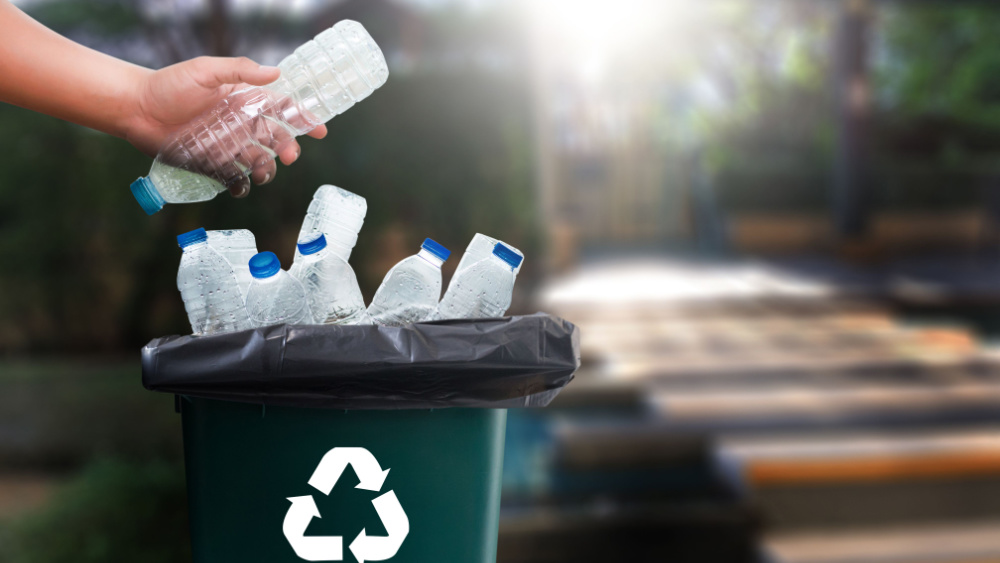
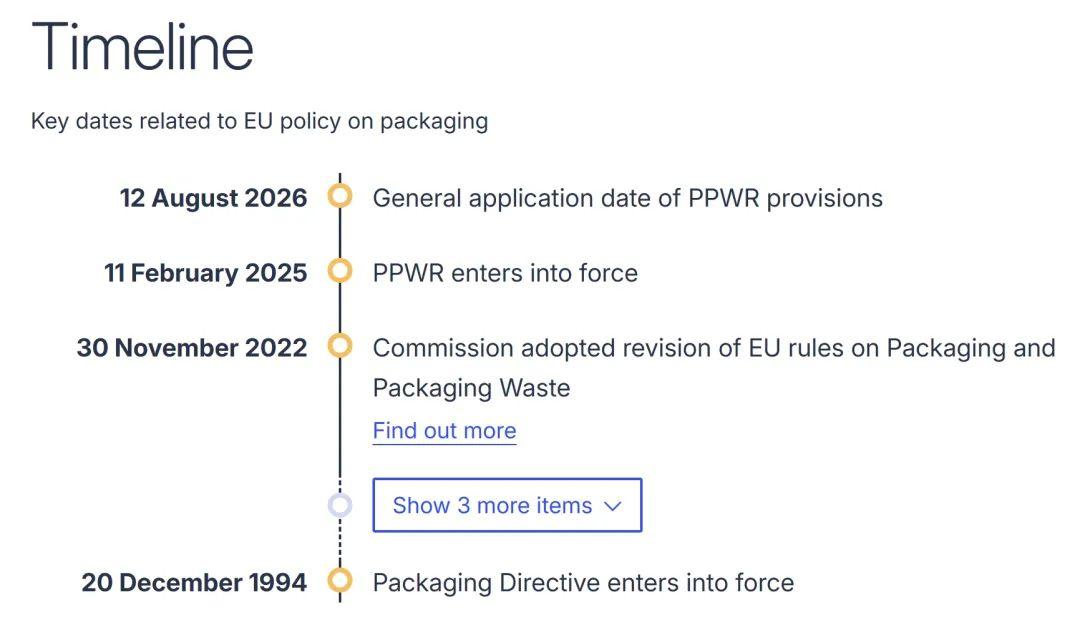
If you still view sustainability as an optional “nice-to-have,” the EU’s Packaging and Packaging Waste Regulation (PPWR) is about to rewrite that mindset entirely. Enforced in February 2025 and fully implemented from August 2026, this game-changing regulation turns sustainability from a “moral initiative” into a “survival imperative” with clear timelines and quantifiable targets. It’s not just driving transformation in packaging-related sectors— the entire sustainability industry is now facing a “adapt or perish” wave of change.
The core of this revolution is far more than just “using less plastic.” It acts as a precise measuring tool, evaluating every link from material R&D to recycling, while quietly reshaping the industry’s operating logic. Today, we’ll explore three key shifts happening in the sustainability sector behind PPWR, and how individuals and organizations can seize the opportunities it brings.
1. From “Vague Sustainability” to “Precise Compliance”: Data Is the New Currency
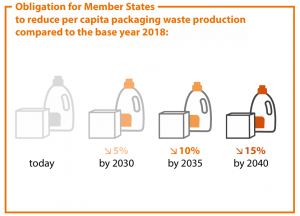
In the past, discussions about sustainability were often filled with vague terms like “greener” or “more sustainable.” What constitutes acceptable recycling efficiency? How much recycled material makes a product eco-friendly? Without unified answers, many “greenwashing” products slipped through the cracks.
PPWR changes this by setting clear numerical thresholds:
- Starting 2030, all packaging must achieve at least 70% recyclability (rising to 80% by 2038)
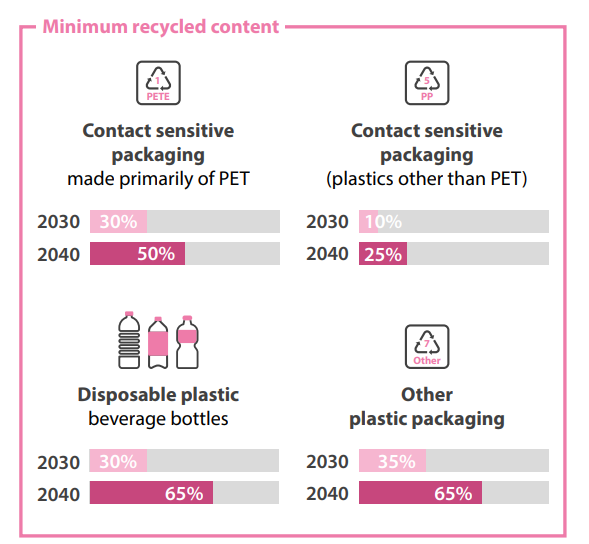
- Recycled content in plastic packaging must reach 10%-30% by 2030, and up to 65% by 2040
- Even single-use beverage containers must meet a recycling rate of over 90%
What does this mean for the industry? No longer can businesses rely on “conceptual hype.” For example:
Recycling operators, once free to set their own collection and sorting standards, now must upgrade equipment and optimize networks to hit the 90% recycling target
Material manufacturers can’t just claim “our materials are biodegradable”—they need data to prove compostability compliance and low heavy metal content
Testing institutions are experiencing explosive growth: businesses need third-party verification with professional equipment to demonstrate compliance, making “data-driven sustainability” an industry necessity
2. From “Single-Point Solutions” to “Full-Cycle Systems”: Sustainability Requires Systematic Thinking
Historically, sustainability efforts often addressed symptoms rather than root causes: a packaging company might switch to biodegradable materials but ignore inadequate recycling infrastructure; a recycling firm might invest heavily in sorting equipment only to find upstream packaging designed to be non-recyclable. This fragmented approach simply won’t work under PPWR.
The new regulation covers the entire packaging lifecycle—from design and production to distribution, recycling, and reuse:
- Design phase: Prioritize recyclability and disassembly; eliminate hard-to-separate multi-layer composites
- Production phase: Strictly control harmful substances to avoid “hidden pollution” in “eco-friendly” materials
- Recycling phase: Establish large-scale systems to ensure collected materials are truly converted into recycled resources
This is forcing the sustainability industry to shift from “single-link services” to “end-to-end solutions.” Forward-thinking companies now offer one-stop services integrating material R&D, packaging design, and recycling system development: helping clients select recycled-content-compliant materials, designing easily disassembled, low-empty-space packaging, and connecting to regional recycling networks to ensure proper end-of-life processing. This “systematic capability” is becoming the core competitiveness of sustainability-focused organizations.
3. From “Physical Sustainability” to “Digital Empowerment”: QR Codes Hold the Key
If traditional sustainability relied on manual labor and physical equipment, PPWR is adding a “digital brain” to the equation.
The regulation mandates that all packaging must feature QR codes or digital labels, providing instant access to material composition, recycling instructions, recycled content percentages, and even carbon footprint data. It’s like issuing each package an “identity card” with full lifecycle traceability.
This integration is deepening the bond between sustainability and digitalization:
- Recycling companies can track packaging flows via QR codes to optimize collection routes
- Material manufacturers can use data to document recycled material sources and utilization rates, providing credible compliance proof to clients
- Even consumers can scan codes to learn proper waste sorting, reducing contamination
Digitalization also solves the greenwashing problem. Previously, companies could claim “eco-friendly packaging” without evidence—now full lifecycle traceability makes sustainability claims verifiable. In the future, sustainability firms that can build digital traceability systems and integrate end-to-end data will be highly sought after.
4. The Future of Sustainability: “True Innovation” Under “Hard Standards”

PPWR’s implementation reflects a global trend in sustainability governance: the future belongs to standard-based, systemically coordinated, digitally empowered sustainability—not just goodwill-driven, fragmented, physical efforts.
As the 2026 implementation deadline approaches, sustainability is no longer a choice but a requirement. For each of us, this transformation is quietly reshaping lifestyles: when sustainability becomes mandatory and circularity becomes the norm, the world we live in will become far more sustainable.
READ THE FULL FILE OF PPWR
Related Articles:
-The End-

Web: www.mviecopack.com
Email:orders@mvi-ecopack.com
Telephone: 0771-3182966
 Web: https://www.mviecopack.com
Email: orders@mvi-ecopack.com
Telephone: +86 771-3182966
Web: https://www.mviecopack.com
Email: orders@mvi-ecopack.com
Telephone: +86 771-3182966


