

1. Executive Summary: The Evolution of Restaurant Disposable Tableware
The global foodservice industry is undergoing a monumental paradigm shift. As restaurants, catering chains, and quick-service establishments adapt to changing consumer behaviors, the demand for high-quality, reliable, and sustainable packaging has reached an all-time high. Among the various solutions entering the market, recyclable plastic plates and eco-friendly composite alternatives have emerged as vital components of modern restaurant disposable tableware strategy.
For decades, traditional single-use expanded polystyrene (EPS) and non-recyclable petroleum-based plastics dominated the market due to their low cost and structural stability. However, the environmental toll of these materials has led to strict regulatory crackdowns, shifting consumer sentiments, and a corporate push toward the circular economy. Today's commercial food operations require tableware that not only preserves food quality and enhances presentation but also aligns with global sustainability metrics, such as zero-waste initiatives and reduced carbon footprints.
2. The Global Market for Recyclable Plastic Plates: Commercial & Industrial Status
The industrial landscape for restaurant tableware is increasingly defined by the principles of circularity. Manufacturers are transitioning from linear production models ("take-make-waste") to advanced closed-loop systems. The production of recyclable plastic plates, particularly those made from Polyethylene Terephthalate (PET) and Polypropylene (PP), has seen significant technological advancements. These polymers are highly valued in the industry because they can be collected, sorted, and reprocessed into post-consumer recycled (PCR) resins, reducing the dependency on virgin fossil fuel resources.
From a commercial perspective, restaurants are no longer viewing sustainable tableware as a luxury or a niche marketing gimmick. Instead, it has become a baseline operational requirement. Large-scale fast-casual chains and institutional caterers are establishing long-term contracts with manufacturers capable of delivering certified food-safe, highly recyclable, or compostable products at scale. The integration of advanced sorting technologies at municipal recycling facilities has further bolstered the viability of recyclable plastics, ensuring that plates discarded in commercial environments can actually find new life in industrial supply chains.
3. Material Science in Modern Disposable Tableware: PET, PP, and Bio-plastics
To fully appreciate the role of recyclable plastic plates in foodservice, one must understand the material science that enables their performance. Different dining scenarios require distinct physical properties, such as thermal resistance, tensile strength, and optical clarity.
Polyethylene Terephthalate (PET) & rPET
PET is widely recognized for its exceptional clarity and strength. In the context of restaurant tableware, PET is commonly used for cold-use plates, appetizer platters, and clear deli containers. The material provides a glass-like appearance that elevates the visual presentation of salads, cold appetizers, and desserts. More importantly, PET is the most widely recycled plastic globally. The use of recycled PET (rPET) further reduces greenhouse gas emissions by up to 60% compared to virgin PET production, making it a cornerstone of corporate sustainability reports.
Polypropylene (PP)
For hot food applications, Polypropylene (PP) remains the industry workhorse. PP plates possess a high melting point, making them microwave-safe and highly resistant to hot oils and grease. This thermal stability is critical for fast-casual dining and takeout services where food must remain hot during transport. PP is also highly recyclable, and advancements in compounding have allowed manufacturers to produce lightweight, thin-walled PP plates that maintain structural integrity without using excessive material.
Bio-based and Compostable Alternatives
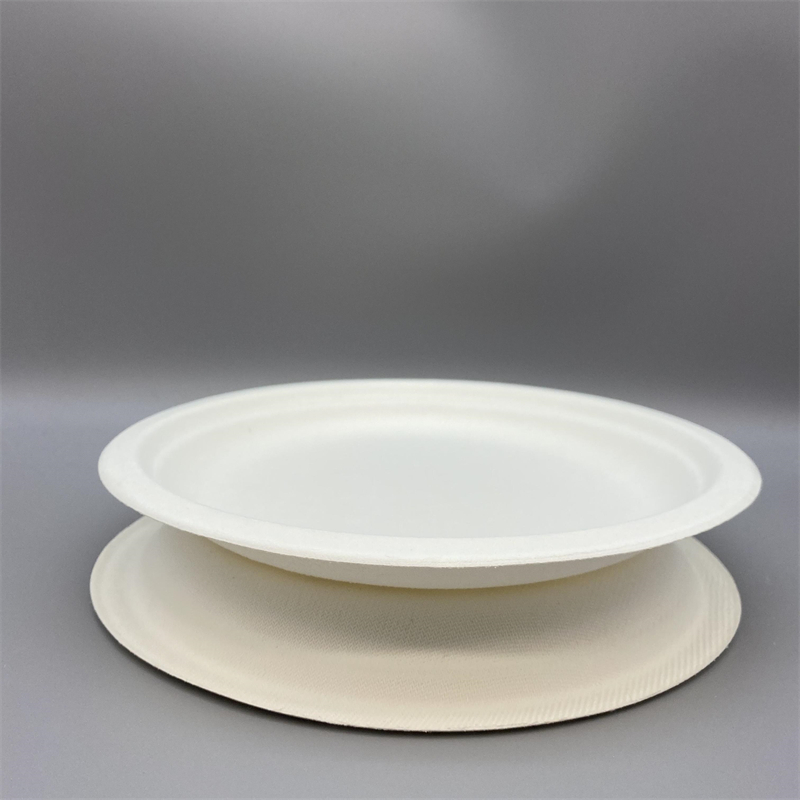
While recyclable plastics play a massive role in the circular economy, bio-based alternatives like Polylactic Acid (PLA) and natural plant fibers (sugarcane bagasse, wheat straw, and bamboo) are capturing substantial market share. PLA, derived from fermented plant starch (usually corn), offers a biodegradable alternative for cold-use applications. Meanwhile, sugarcane bagasse and wheat straw fibers are molded into highly durable, compostable plates that can withstand both hot and cold foods, offering a completely plastic-free aesthetic that resonates deeply with eco-conscious consumers.
4. Deep-Dive Application Scenarios in the Foodservice Industry
The operational demands of a restaurant dictate the type of disposable tableware required. A one-size-fits-all approach is rarely successful. Below, we analyze three primary application scenarios where recyclable plastic plates and eco-friendly alternatives provide maximum value.
Fast-Casual Dining & Quick-Service Restaurants (QSRs)
In high-volume fast-casual environments, speed, cost, and durability are paramount. Tableware must be easily stackable to save kitchen storage space, rigid enough to handle heavy portions without bending, and cost-effective enough to preserve tight profit margins. Recyclable PP plates and bagasse platters excel in this scenario. They allow staff to serve meals quickly without the labor costs and water consumption associated with washing traditional ceramic dishware, all while demonstrating the brand's commitment to environmental responsibility through clearly labeled recycling or composting instructions.
Takeout, Delivery, and Ghost Kitchen Logistics
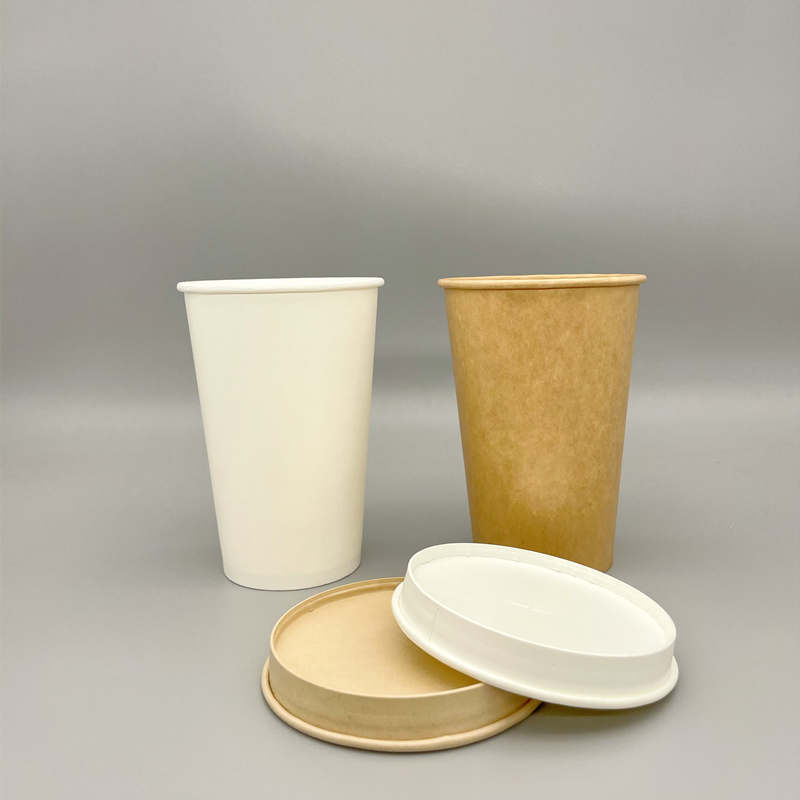
The meteoric rise of third-party delivery apps and ghost kitchens has redefined packaging requirements. Food must travel miles in insulated bags, exposed to steam and vibration, without losing its structural integrity or visual appeal. Recyclable plastic plates with secure, matching lids prevent leaks and spills. The stackability of these containers ensures that delivery drivers can transport multiple orders safely. Furthermore, the heat retention of PP packaging ensures that the customer receives their meal at the intended temperature, directly impacting online reviews and repeat business.
High-End Catering, Corporate Events, and Festivals
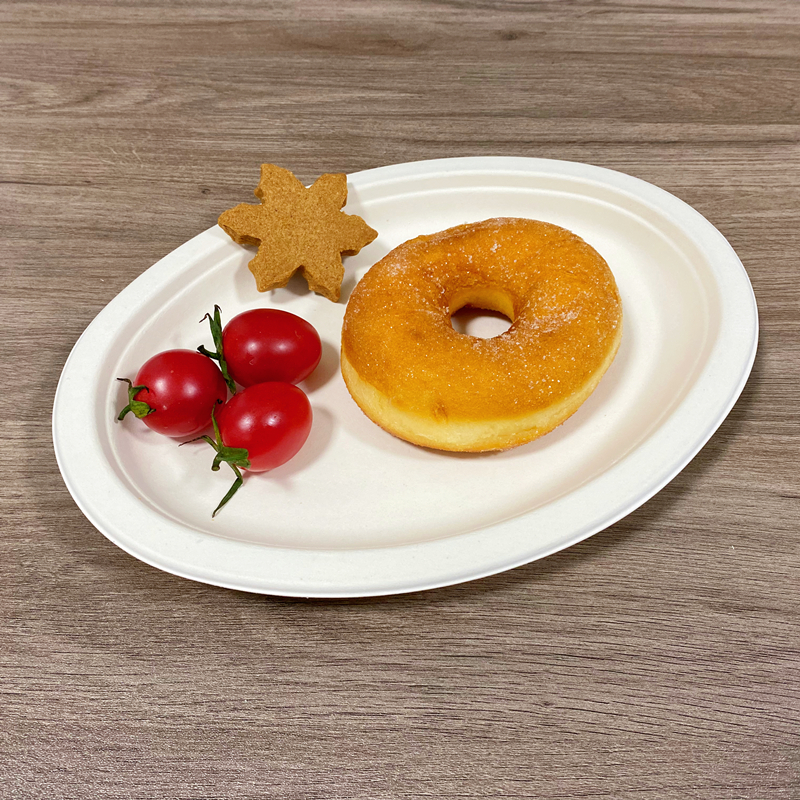
For large-scale events, weddings, and music festivals, aesthetics and waste management are critical. Event planners require tableware that looks premium but can be disposed of efficiently at the end of the night. Clear rPET platters and elegantly designed sugarcane plates provide a sophisticated look that complements upscale food presentations. By implementing dedicated recycling zones at these events, organizers can divert tons of waste from landfills, helping corporate clients meet their environmental, social, and governance (ESG) targets.
5. Life Cycle Assessment (LCA) and the Circular Economy
When evaluating the environmental impact of restaurant tableware, procurement officers must look beyond the end-of-life stage and consider the entire life cycle of the product. A comprehensive Life Cycle Assessment (LCA) measures environmental impacts from raw material extraction, through manufacturing and transport, to final disposal or recycling.
Recyclable plastic plates offer distinct advantages when integrated into a functional recycling infrastructure. Because PET and PP can be melted down and reformed multiple times, their carbon footprint amortizes over several lifecycles. This contrasts with single-use compostable items which, if sent to a standard landfill instead of an industrial composting facility, may decompose anaerobically and generate methane, a potent greenhouse gas. Therefore, the choice between recyclable plastic and compostable fiber often depends on local waste management capabilities. A truly sustainable restaurant aligns its tableware selection with the local municipality's recycling infrastructure to ensure the products are processed correctly.
6. Key Purchasing Strategies for Restaurant Procurement Officers
For restaurant chains and hospitality groups, sourcing disposable tableware involves balancing quality, compliance, and cost. Below are essential strategies for purchasing officers:
- Verify Certifications: Ensure that all products meet international food-contact safety standards (such as FDA regulations) and environmental claims (such as OK COMPOST, BPI, or local recycling compliance certifications).
- Assess OEM/ODM Capabilities: Partner with manufacturers that offer custom branding, embossing, and custom sizing. Custom-branded plates act as a mobile billboard for your brand, especially in the era of social media food photography.
- Evaluate Supply Chain Reliability: High-volume operations cannot afford supply chain disruptions. Look for manufacturers with substantial daily production capacities, modern equipment, and established global logistics networks.
- Calculate Total Cost of Ownership (TCO): Consider storage space, transport costs (lightweight materials reduce shipping fees), and waste disposal fees alongside the unit price.
7. Future Trends: What Lies Ahead for Recyclable Tableware (2025-2030)
Looking to the future, the integration of technology and material science will continue to revolutionize the disposable tableware sector. We anticipate several major trends over the next five years:
First, the development of intelligent packaging. QR codes printed directly on plates or lids will guide consumers to the nearest recycling or composting facility, closing the loop on consumer education. Second, the rise of hybrid materials. Researchers are combining natural fibers with recyclable polymers to create ultra-durable, lightweight plates that require less plastic content while remaining fully recyclable. Finally, stricter global legislation will phase out hard-to-recycle black plastics and multi-material laminates, pushing the industry toward mono-material designs that simplify the sorting and recycling process.
By staying ahead of these trends, foodservice brands can protect themselves against regulatory risks, optimize their operational efficiency, and build deep, lasting loyalty with an increasingly eco-conscious consumer base.