+86 15177781985
 orders@mvi-ecopack.com


Featured Takeaway Beverage Service Products
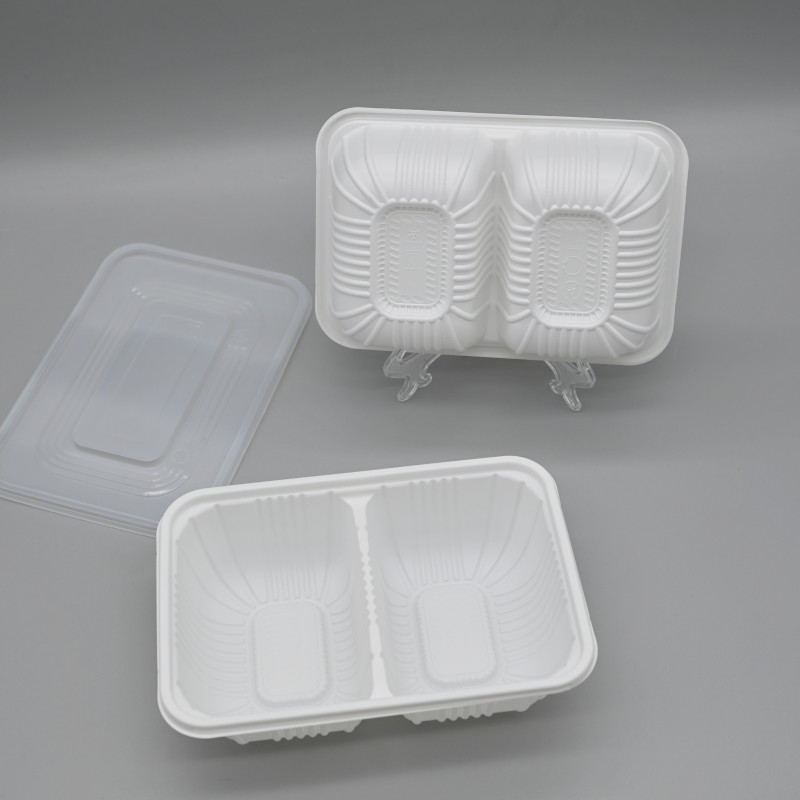
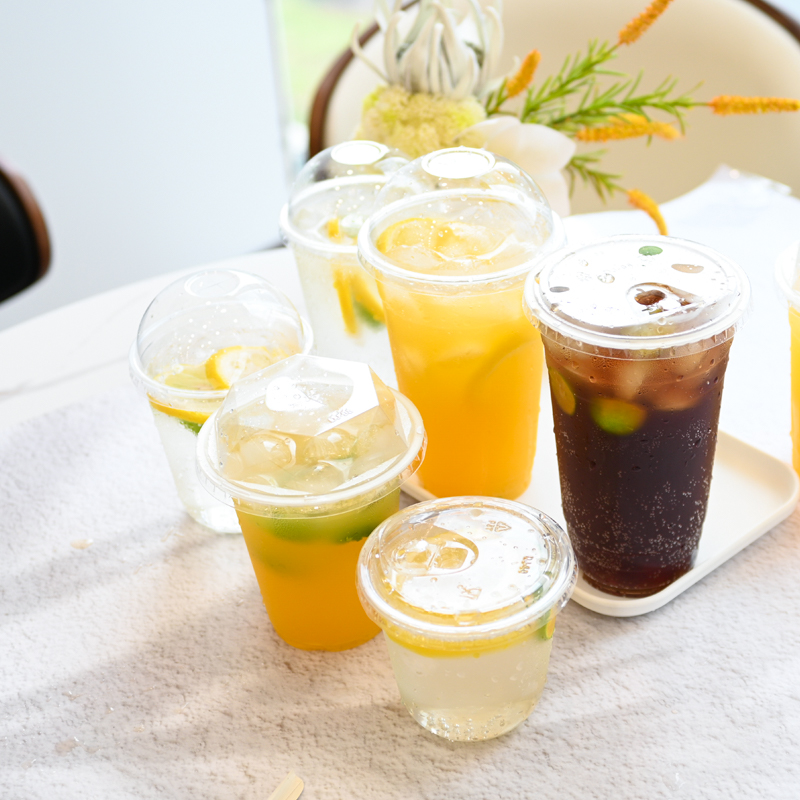
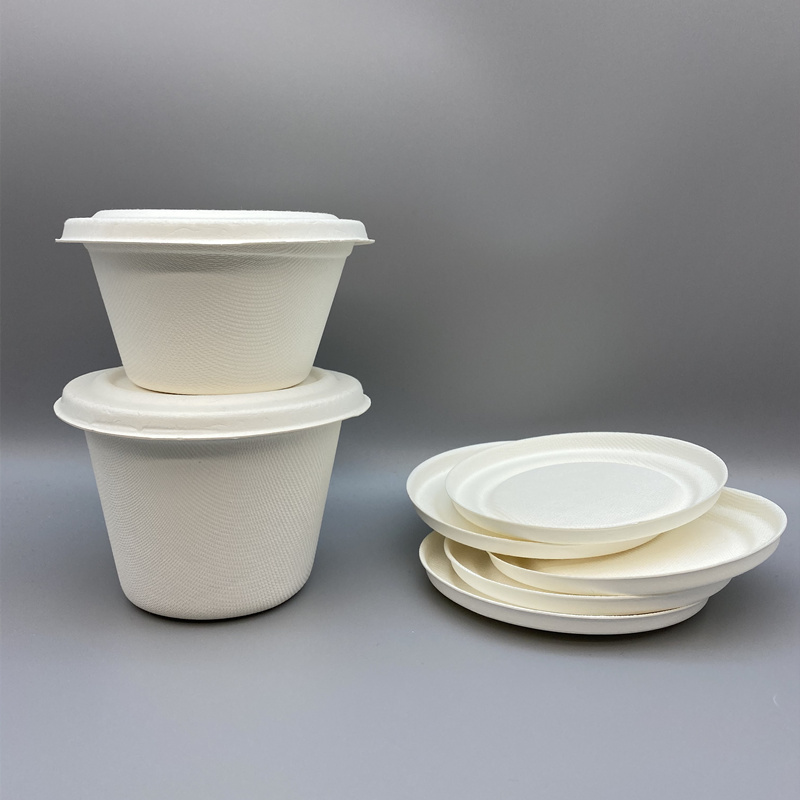
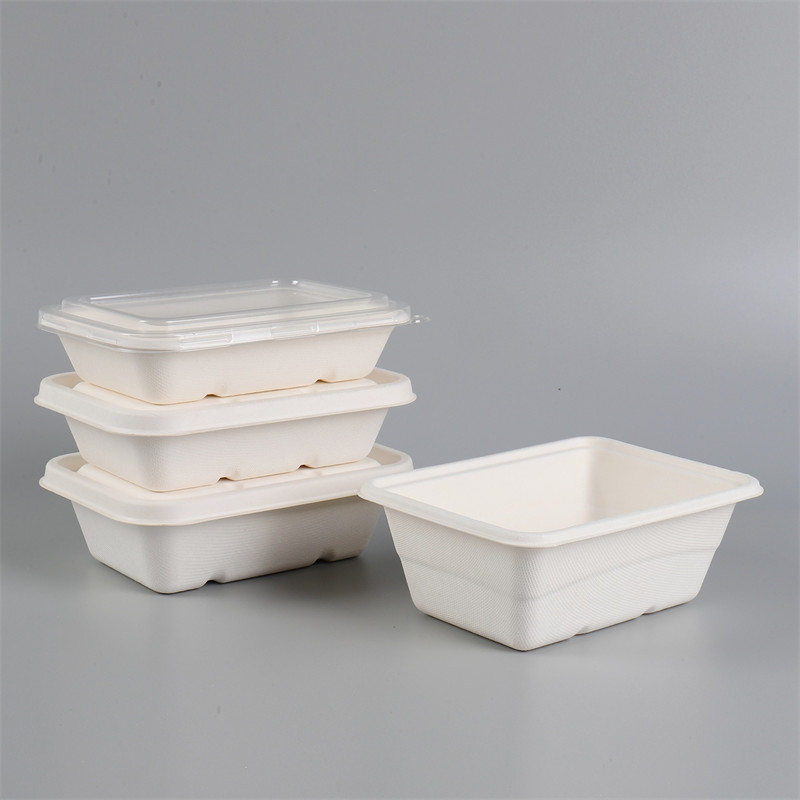
Recyclable Packaging Materials For Takeaway Beverage Service: The Green Revolution
The global takeaway beverage service sector has experienced unprecedented growth over the past decade. Driven by the rapid rise of mobile ordering, delivery apps, and a booming coffee and milk tea culture, millions of drinks are transported daily. However, this convenience has historically come at a massive environmental cost. Traditional single-use petroleum plastics have clogged global landfills and waterways, prompting governments, consumers, and brands to seek immediate alternatives.
Today, the transition to recyclable packaging materials for takeaway beverage service is no longer just a trend; it is a regulatory requirement and a core pillar of corporate social responsibility. From plant-based bioplastics to agricultural upcycling, the packaging industry is undergoing a high-tech transformation. Brands that adopt these advanced materials not only mitigate environmental impact but also cultivate deep customer loyalty and future-proof their supply chains.
The Industrial Challenge
Modern takeaway beverage cups must maintain structural integrity under extreme temperatures, resist condensation, prevent leakage, and remain completely non-toxic. Achieving this without traditional plastic linings requires advanced material science and engineering.
1. Industrial & Commercial Status of Beverage Packaging
Globally, the commercial landscape for beverage packaging is shifting rapidly. Regulatory frameworks like the European Union’s Single-Use Plastics Directive (SUPD) and similar mandates across North America and Asia-Pacific have effectively banned or heavily taxed traditional polystyrene (PS) and non-recyclable polyethylene (PE) coatings. In their place, bio-based and highly recyclable alternatives are capturing significant market share.
Industrial production facilities have adapted by upgrading machinery to process alternative materials. Historically, eco-friendly options were criticized for being cost-prohibitive. However, through scale, optimized supply chains, and advanced manufacturing techniques, companies like MVI ECOPACK have successfully broken the "eco-friendly = expensive" myth. Factory-direct efficiency and standardized production processes have brought the cost of compostable bagasse and PLA packaging within reach of mainstream catering chains.
Furthermore, commercial buyers are no longer just looking at the cup itself. They require integrated solutions: leak-proof lids, heat-resistant sleeves, sturdy carriers, and biodegradable straws. A single weak link in the takeaway chain can ruin the customer experience, making comprehensive product line capability a critical asset for modern packaging suppliers.
2. Deep Material Analysis: Setting the Standards for Takeaway Beverages
To understand the viability of recyclable packaging materials for takeaway beverage service, we must analyze the key raw materials dominating the market:
Polylactic Acid (PLA) & CPLA
Polylactic Acid (PLA) is a biodegradable polyester derived from renewable resources like cornstarch or sugarcane. In the cold beverage sector, PLA acts as a direct, crystal-clear substitute for PET. It offers excellent clarity, showing off the vibrant colors of fresh juices, iced coffees, and milk teas. For hot beverages, Crystallized PLA (CPLA) is utilized to withstand higher temperatures (up to 90°C), making it ideal for hot cup lids and stirrers.
Sugarcane Bagasse Pulp
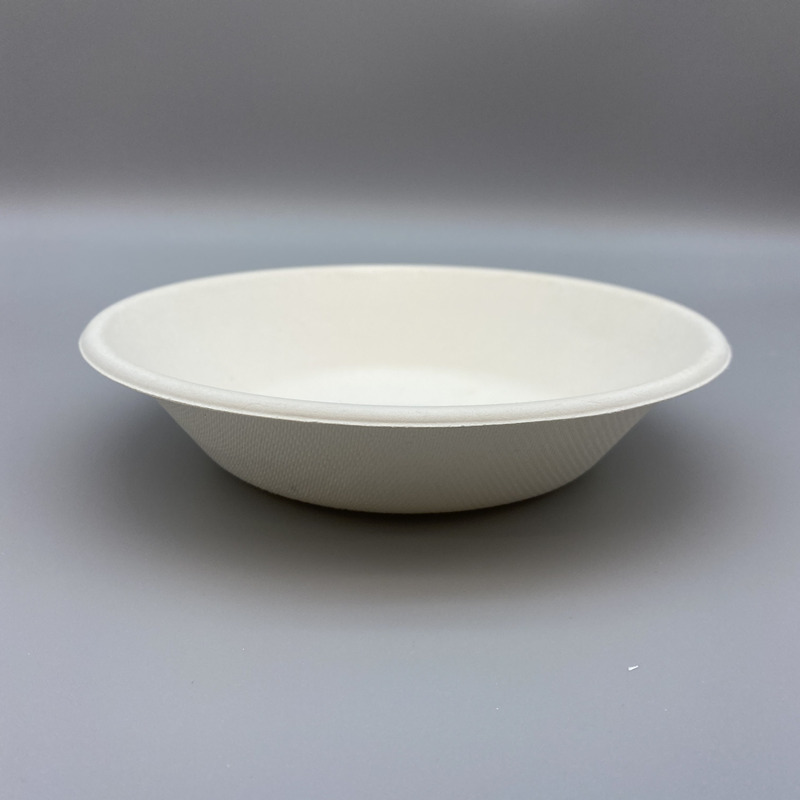
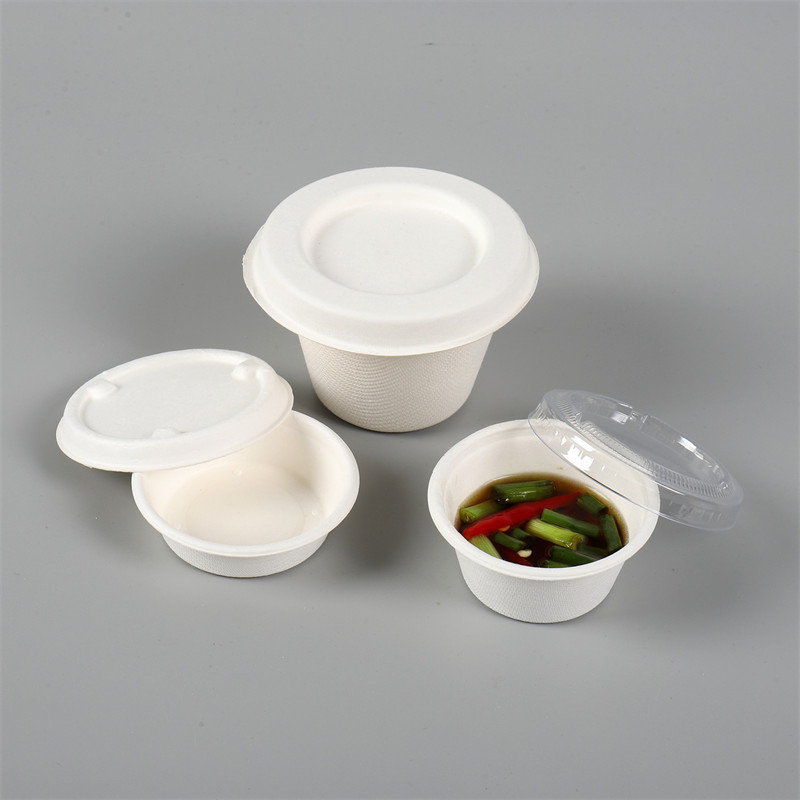
Bagasse is the fibrous residue remaining after sugarcane stalks are crushed to extract their juice. Instead of burning this agricultural byproduct, it is collected, refined, and molded into high-strength tableware, bowls, and beverage cup lids. Bagasse is naturally compostable, degrading within 90 days in commercial composting environments. It is highly resistant to water and oil, and modern formulations are completely PFAS-free, aligning with the strictest global health standards.
Bamboo Fiber with Water-Based Coatings
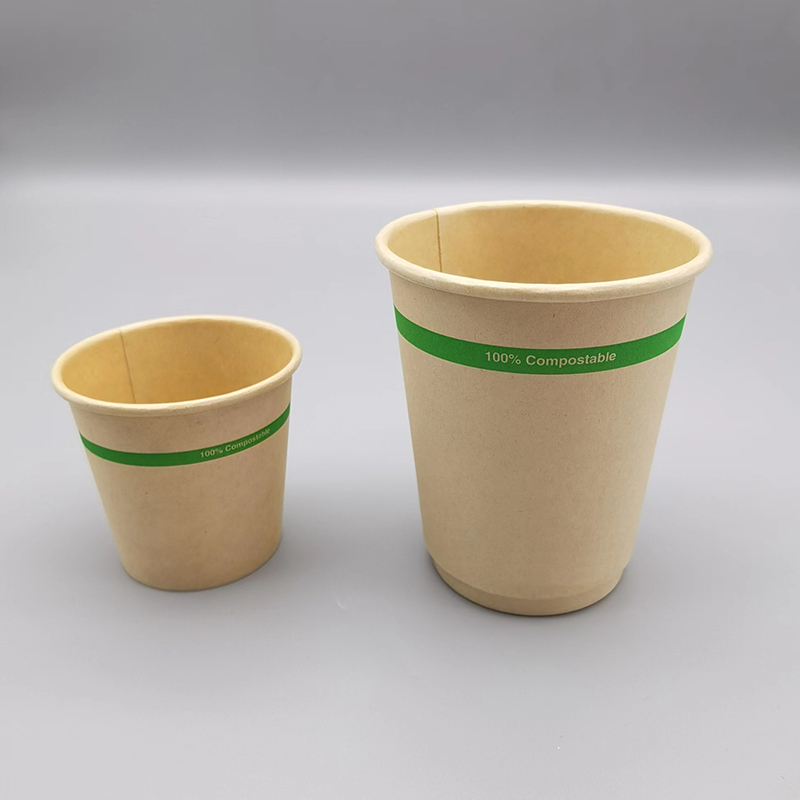
Bamboo is one of the fastest-growing plants on Earth, making it an exceptionally renewable resource. When processed into paper cups, it offers superior tensile strength compared to traditional wood pulp. To make these cups liquid-resistant without using plastic PE linings, advanced water-based barrier coatings (often called dispersion coatings) are applied. This technology allows the cups to be easily repulped and recycled in standard paper recycling streams, or composted naturally.
Technological Integration
By utilizing water-based dispersion coatings and plant-based starches, modern packaging achieves high-performance barriers against hot liquids, eliminating toxic microplastics from the beverage supply chain.
3. Deep Application Scenarios in Modern Beverage Service
Different beverage categories demand distinct physical properties from their packaging. Understanding these scenarios is key to selecting the right materials:
Scenario A: Specialty Coffee & Hot Drinks
Hot coffee and tea require exceptional thermal insulation to protect the consumer's hands and maintain the beverage's temperature. Double-wall or ripple-wall bamboo fiber cups paired with sugarcane bagasse dome lids represent the gold standard here. The lid must fit tightly to prevent spills during transit, and the material must not soften or impart any taste to the beverage.
Scenario B: High-Volume Milk Tea & Boba Chains
The milk tea industry relies heavily on visual appeal. Clear PLA cold cups are essential for showcasing layered drinks, tapioca pearls, and cheese foam toppings. These cups require wide-diameter PLA or bagasse straws capable of drawing up toppings without collapsing. Additionally, leak-proof sealing films or secure PLA lids are crucial for high-speed delivery services.
Scenario C: Large-Scale Public Events & Festivals
At concerts, sports games, and festivals, speed and volume are paramount. Organizers require lightweight, stackable, and certified compostable cups that can be collected in bulk and routed directly to industrial composting facilities. This closed-loop system minimizes waste sorting errors and significantly reduces the carbon footprint of the event.
4. Future Trends: AI and the Circular Economy in Eco-Packaging
The future of takeaway packaging lies at the intersection of biotechnology and digital innovation. We are seeing the emergence of smart packaging, where QR codes printed with soy-based inks allow consumers to trace the lifecycle of their cup—from the specific sugarcane farm to the composting facility.
AI is also playing a massive role in optimizing production efficiency. Smart manufacturing systems monitor fiber density and moisture levels in real-time, reducing energy consumption and material waste during the molding process. In logistics, AI-driven supply chain management ensures that seasonal demands for beverage cups (e.g., peak summer iced drink seasons) are met with precise inventory levels, eliminating overproduction.
MVI ECOPACK: A Green Practitioner With Over 15 Years Of Dedication
MVI stands for May (Renewal) and Vision. Founded in Nanning, China in 2010, we are committed to making sustainable packaging an accessible and effortless choice for businesses worldwide. As your Lightweight Green Partner, we specialize in producing fully biodegradable and compostable tableware and food packaging from renewable materials like sugarcane bagasse, cornstarch, and wheat straw. All products meet international standards, including FDA and OK COMPOST.
As a supplier to the 2012 London Olympics, we understand the demands of a global stage. Today, we leverage mature OEM/ODM capabilities and factory-direct efficiency to provide cost-effective, reliable, and compliant solutions for catering chains, supermarkets, brands, and traders across the globe. We believe true sustainability should be simple, high-quality, and within reach.
Our Vision: Making Green Packaging a Global Consensus
With 15 years in eco-packaging, we know your top needs: compliance, stable quality, and cost-effectiveness. That’s why we build “sustainable standardization” into every production step—breaking the “eco = expensive” myth. Now, our clients can easily get high-quality biodegradable tableware without overspending. We always believe that when biodegradable packaging becomes a business staple, it stops being a cost—it becomes a driver for long-term brand growth.
Our Core Values
We strive for a win-win scenario for Nature, You, and Our Team:
- Honor Nature - Turn Waste into Eco-Gifts: Made from bagasse and wheatstraw, our packages naturally degrade in 90 days - cutting burning and carbon for a cleaner planet.
- For You - Eco Made Easy: Certified, factory-direct, and customizable. We solve your sustainability challenges, not add costs.
- With Our Team - Belief Creates Quality: A team committed to better materials, lower energy use, and constant improvement. When we believe in “waste-to-value,” quality comes naturally.
Our Milestones & History
MVI ECOPACK was founded in Nanning, a famous green city in southwest China, with a vision to replace petroleum-based plastics.
Became a proud supplier of eco-friendly tableware for the London Olympic Games, demonstrating our capacity on a global stage.
Named a "Made-in-China Honest Export Enterprise." Our export network expanded to cover more than 30 countries worldwide.

Expanded manufacturing capabilities to 65 sets of production equipment and 6 workshops, committing to faster delivery and superior quality control.

Selected as the official eco-friendly tableware supplier for the 1st National Student Youth Games.

Participated in the "Green Run CHINA · Carbon Footprint" public welfare run, practicing the zero-plastic concept by providing degradable water cups for participants.
Global Footprint & Industry Exhibitions
For over a decade, MVI ECOPACK has showcased its strength at major global trade shows, including the Canton Fair and the Hong Kong Mega Show—earning industry recognition and long-term trust from international clients. We continuously showcase our latest innovations in recyclable packaging materials for takeaway beverage service.


Exhibition Gallery