+86 15177781985
 orders@mvi-ecopack.com


Featured Picnic Food Serving Essentials
Discover our high-performance, plant-based cups and containers designed specifically for modern outdoor catering and picnic food serving.
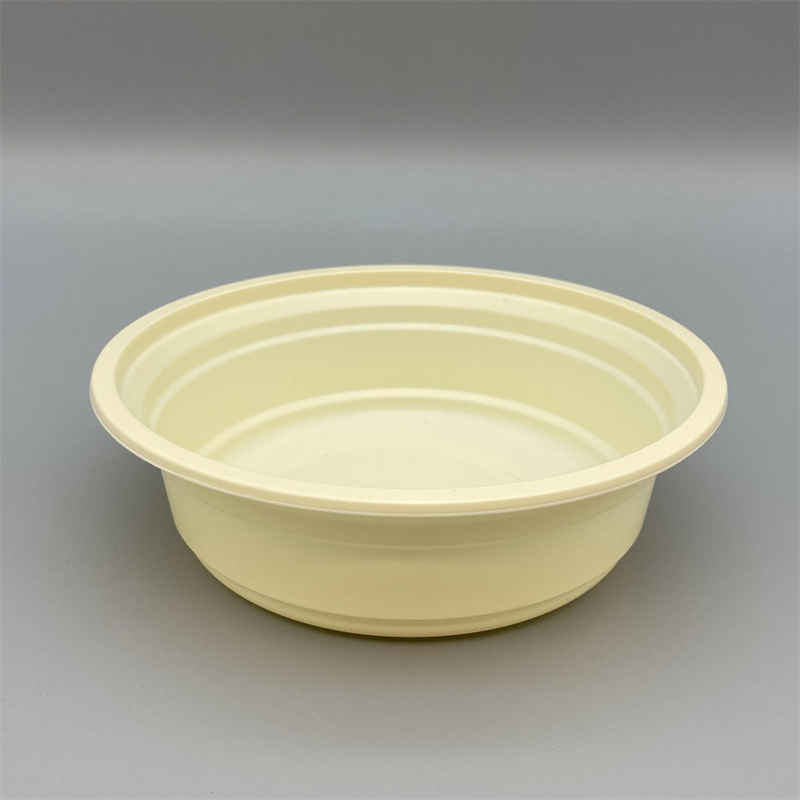
Picnic Food Serving: Plant-Based Biodegradable 350ml Corn Starch Soup Bowl
View Details →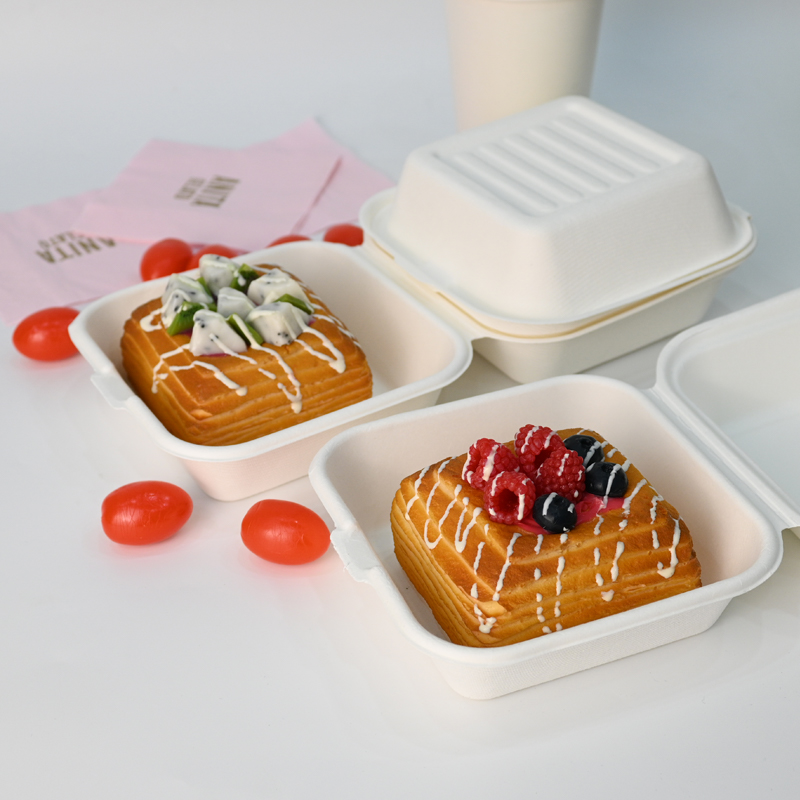
Picnic Food Serving: 6 inch Biodegradable Sugarcane Bagasse Burger Box
View Details →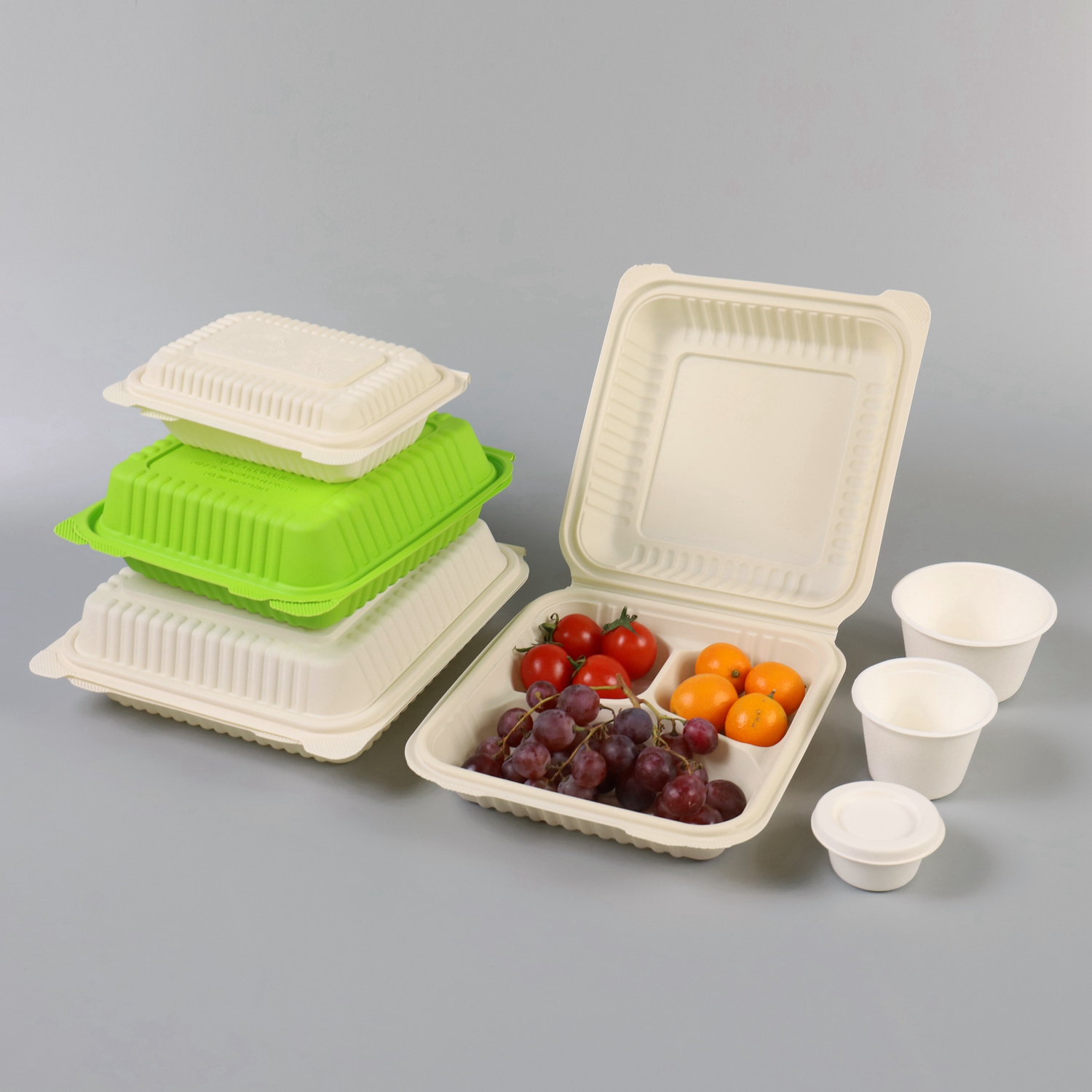
Picnic Food Serving: Environmentally Friendly 8*3 Inch Corn Starch Food Box
View Details →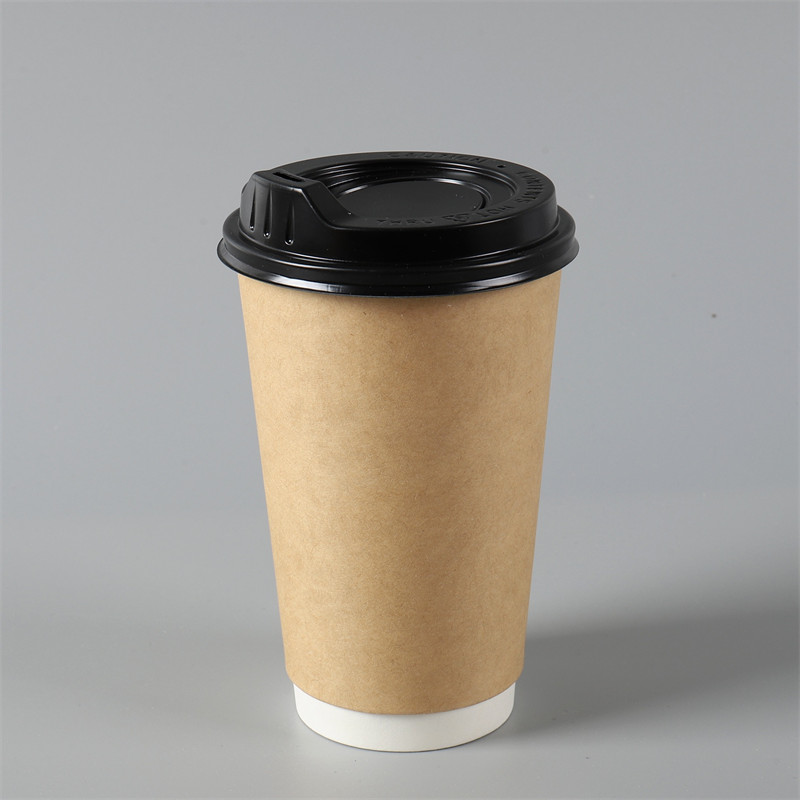
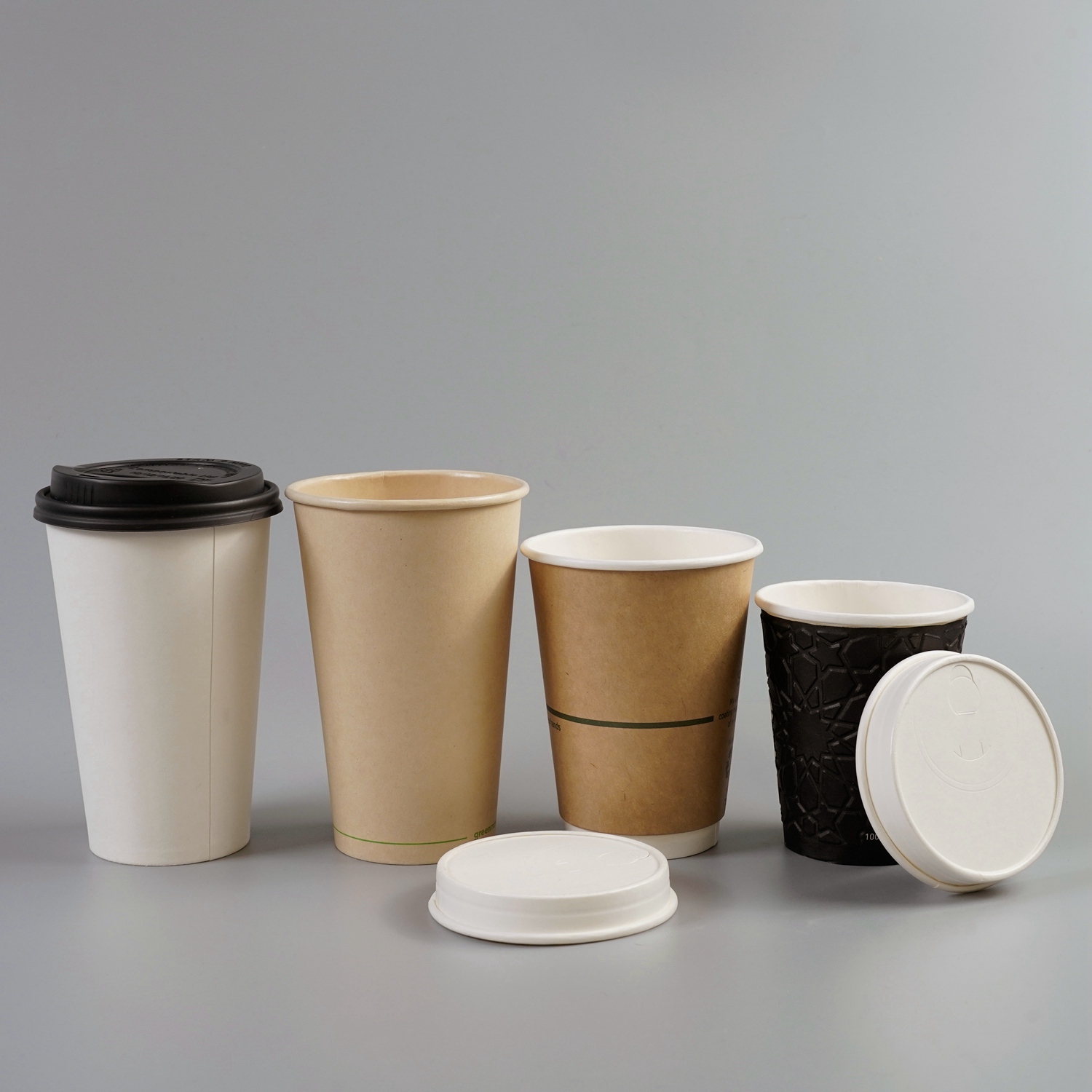
Picnic Food Serving: Disposable Compostable Single PE Coating Coffee Paper Cups
View Details →The Definitive Guide to Recyclable Cups For Picnic Food Serving
Analyzing industrial trends, material technology, and commercial opportunities in sustainable outdoor dining.
As the global hospitality and catering sectors undergo a massive paradigm shift toward environmental accountability, the concept of outdoor dining has evolved. No longer is a picnic simply a casual weekend getaway; it is a multi-billion dollar commercial industry spanning corporate events, luxury glamping, eco-tourism, and large-scale festival catering. At the heart of this transition lies the critical need for high-performance, sustainable tableware—specifically, recyclable cups for picnic food serving.
1. The Commercial and Industrial Status of Picnic Food Serving
For decades, the convenience of outdoor catering was synonymous with single-use expanded polystyrene (Styrofoam) and petroleum-based plastics. These materials offered lightweight structural integrity and moisture resistance at a very low cost. However, the ecological toll has been catastrophic, leading to widespread plastic pollution in parks, oceans, and recreational areas.
Today, the commercial landscape is rapidly changing. Driven by stringent global regulations, such as the European Union’s Single-Use Plastics Directive (SUPD) and similar legislative bans across North America and Asia-Pacific, businesses are forced to seek alternatives. The market for eco-friendly tableware is no longer a niche segment; it has entered the mainstream. Foodservice operators, event planners, and retail chains are actively looking for suppliers that can deliver certified, high-quality, and cost-effective biodegradable and recyclable cups.
In the industrial manufacturing sphere, the focus has shifted toward agricultural by-products and renewable plant-based polymers. Sugarcane bagasse, cornstarch (PLA), wheat straw, and water-based coating technologies have emerged as the frontrunners in replacing traditional plastics. These raw materials are not only renewable but also offer a significantly lower carbon footprint during production. Manufacturers are leveraging advanced thermoforming and molding machinery to produce cups and food containers that match the durability, heat resistance, and leak-proof capabilities of traditional plastics.
Key Market Drivers in the Eco-Tableware Industry:
- Regulatory Compliance: Global bans on single-use plastics and PFAS-based coatings are forcing catering companies to switch to certified compostable and recyclable alternatives.
- Consumer Demand: Modern consumers actively patronize brands that demonstrate genuine environmental responsibility. Eco-friendly picnic setups have become a key selling point for high-end catering.
- Corporate ESG Targets: Multinational corporations hosting outdoor promotional events require sustainable supply chains to meet their Environmental, Social, and Governance (ESG) mandates.
2. Advanced Material Science: What Makes a Cup Truly Recyclable or Compostable?
Understanding the material composition is vital for B2B buyers, distributors, and catering brands. Not all "green" cups are created equal. The industry generally categorizes sustainable cups into three primary types based on their coating and base materials:
A. PLA-Coated Paper Cups
Traditional paper cups are lined with a thin layer of Polyethylene (PE) plastic to prevent the paper from absorbing liquid and collapsing. While effective, this PE lining makes the cups extremely difficult to recycle, as separating the plastic film from the paper fibers requires specialized industrial recycling facilities.
To solve this, modern manufacturers utilize Polylactic Acid (PLA) as a lining material. PLA is a biodegradable polyester derived from renewable resources like corn starch or sugarcane. When used as a cup coating, PLA provides an excellent moisture barrier for both hot and cold beverages. Under industrial composting conditions, PLA-coated cups break down completely into water, carbon dioxide, and biomass, leaving no toxic residues.
B. Water-Based Barrier Coatings (Plastic-Free)
The latest technological breakthrough in cup manufacturing is the development of water-based dispersion coatings. Instead of laminating the paperboard with a plastic film (PE or PLA), a liquid polymeric dispersion is applied directly to the paper. This coating dries to form an effective barrier against liquids and grease.
The primary commercial advantage of water-based coated cups is their recyclability. Because there is no plastic film to separate, these cups can be easily processed in standard paper recycling mills alongside regular cardboard and office paper. This makes them highly suitable for picnic events where composting infrastructure might not be readily available, but standard recycling bins are present.
C. Sugarcane Bagasse and Plant-Fiber Molded Cups
Sugarcane bagasse is the fibrous residue remaining after sugarcane stalks are crushed to extract their juice. Instead of burning this agricultural waste, manufacturers repurpose it to create high-durability tableware. Bagasse molded cups and bowls are naturally compostable, highly rigid, and possess excellent thermal properties, making them perfect for serving hot soups, gravies, and beverages at outdoor picnics.
3. Deep-Dive Application Scenarios: Picnic Food Serving & Beyond
The application of recyclable cups and biodegradable tableware extends far beyond a simple family gathering in a public park. The versatility of these products makes them indispensable across various commercial and industrial food serving scenarios:
Luxury Glamping & Eco-Resorts
High-end outdoor resorts require tableware that aligns with their premium, nature-oriented brand image. Customizable PLA-coated and bagasse cups offer a luxurious feel without compromising the surrounding ecosystem.
Corporate Outdoor Events
From team-building retreats to outdoor product launches, corporate clients demand green catering solutions. Using branded, compostable cups demonstrates a company's commitment to sustainability.
Music Festivals & Sporting Events
Massive outdoor gatherings generate tons of waste in short periods. Implementing a closed-loop composting system using PLA and bagasse tableware allows organizers to divert waste from landfills efficiently.
Furthermore, public parks, nature reserves, and beachside concessions are increasingly mandating that all food vendors use certified compostable packaging. In these delicate ecosystems, conventional plastic litter can cause immediate harm to local wildlife. By utilizing plant-based, biodegradable corn starch soup bowls, bagasse burger boxes, and recyclable paper cups, vendors can operate legally and ethically in protected natural zones.
4. Future Development Trends in the Sustainable Packaging Industry
As we look toward the future, several key trends are set to shape the development of recyclable cups and picnic food serving tableware:
A. PFAS-Free Formulations
Per- and polyfluoroalkyl substances (PFAS) have historically been used in molded fiber tableware to provide oil and water resistance. However, due to health and environmental concerns, global regulatory bodies are phasing out PFAS. The industry is rapidly innovating to produce 100% PFAS-free bagasse and paper products that maintain high performance under hot and greasy food conditions.
B. Smart Packaging and Traceability
The integration of QR codes and eco-tracking markers on recyclable cups allows consumers to scan the product and see its environmental footprint, carbon offset data, and proper disposal instructions. This level of transparency builds deep trust between brands and environmentally conscious consumers.
C. High-Speed Customization (OEM/ODM)
As businesses seek to differentiate themselves, the demand for custom-printed eco-tableware is skyrocketing. Advanced digital printing technologies using soy-based or water-based inks allow for low-minimum-order-quantity (MOQ) customization, enabling even small catering businesses to serve beverages in beautifully branded, eco-friendly cups.
A Green Practitioner With Over 15 Years Of Dedication
MVI stands for May (Renewal) and Vision. Founded in Nanning, China in 2010, we are committed to making sustainable packaging an accessible and effortless choice for businesses worldwide.
As your Lightweight Green Partner, we specialize in producing fully biodegradable and compostable tableware and food packaging from renewable materials like sugarcane bagasse, cornstarch, and wheat straw. All products meet international standards, including FDA and OK COMPOST. As a supplier to the 2012 London Olympics, we understand the demands of a global stage. Today, we leverage mature OEM/ODM capabilities and factory-direct efficiency to provide cost-effective, reliable, and compliant solutions for catering chains, supermarkets, brands, and traders across the globe. We believe true sustainability should be simple, high-quality, and within reach.
Our Vision & Core Values
Making Green Packaging a Global Consensus & Win-Win for Nature, You & Our Team

Honor Nature - Turn Waste into Eco-Gifts
Made from bagasse and wheat straw, our packaging naturally degrades in 90 days - cutting burning and carbon for a cleaner planet.

For You — Eco Made Easy
Certified, factory-direct, and customizable. We solve your sustainability challenges, not add costs. Breaking the "eco = expensive" myth.

With Our Team — Belief Creates Quality
A team committed to better materials, lower energy use, and constant improvement. When we believe in "waste-to-value," quality comes naturally.
Our History & Milestones
Over a decade of manufacturing excellence, innovation, and global trust.
MVI ECOPACK was founded in Nanning, a famous green city in southwest China, with a vision to replace petroleum-based plastics.
Proud supplier of the London Olympic Games, proving our capacity to meet stringent international quality and environmental standards.
Named "Made-in-china Honest Export Enterprise." Our biodegradable tableware and cups successfully exported to more than 30 countries.

Expanded our facilities to 65 sets of production equipment and 6 specialized workshops to offer faster delivery and superior OEM/ODM customization.

Selected as the official tableware supplier for the 1st National Student Youth Games, reinforcing our domestic and international influence.

Participated in the Green Run CHINA · Carbon Footprint public welfare run, practicing the zero-plastic concept by providing degradable water cups for participants.
Global Exhibitions & Recognition
For over a decade, MVI ECOPACK has showcased its strength at major global trade shows, including the Canton Fair and the Hong Kong Mega Show.


Sustainable Materials & Plastic Alternatives
Our comprehensive line of biodegradable products is engineered from nature to protect nature.


Complete Picnic Food Serving Product Range
Explore our full selection of biodegradable plates, bowls, lunch boxes, and recyclable cups tailored for eco-friendly outdoor dining and picnic events.
Picnic Food Serving: Plant-Based Biodegradable 350ml Corn Starch Soup Bowl
View Details →
Picnic Food Serving: 6 inch Biodegradable Sugarcane Bagasse Burger Box
View Details →
Picnic Food Serving: Environmentally Friendly 8*3 Inch Corn Starch Food Box
View Details →
Picnic Food Serving: Disposable Compostable Single PE Coating Coffee Paper Cups
View Details →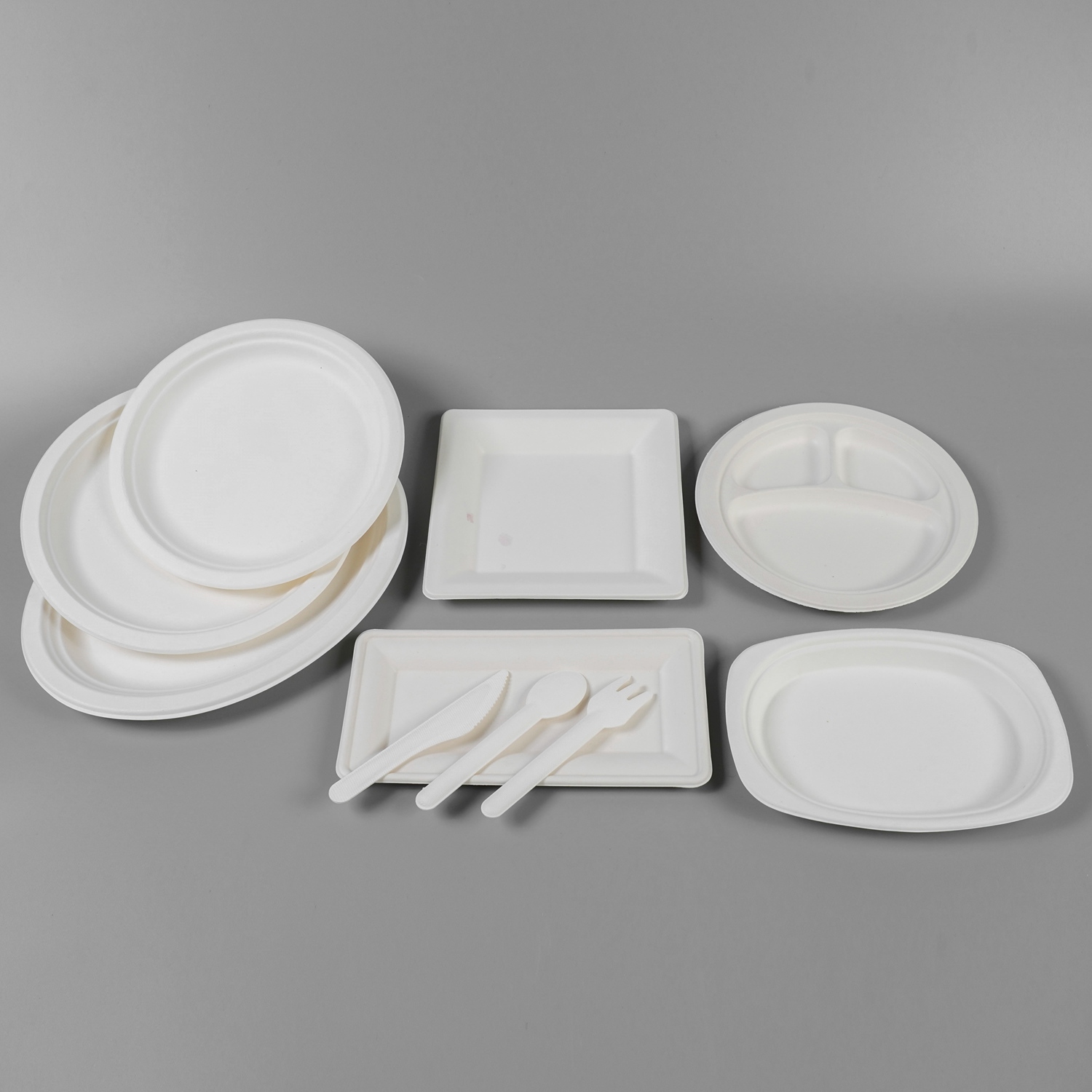
Picnic Food Serving: 100% Compostable Sugarcane Pulp Round Plates
View Details →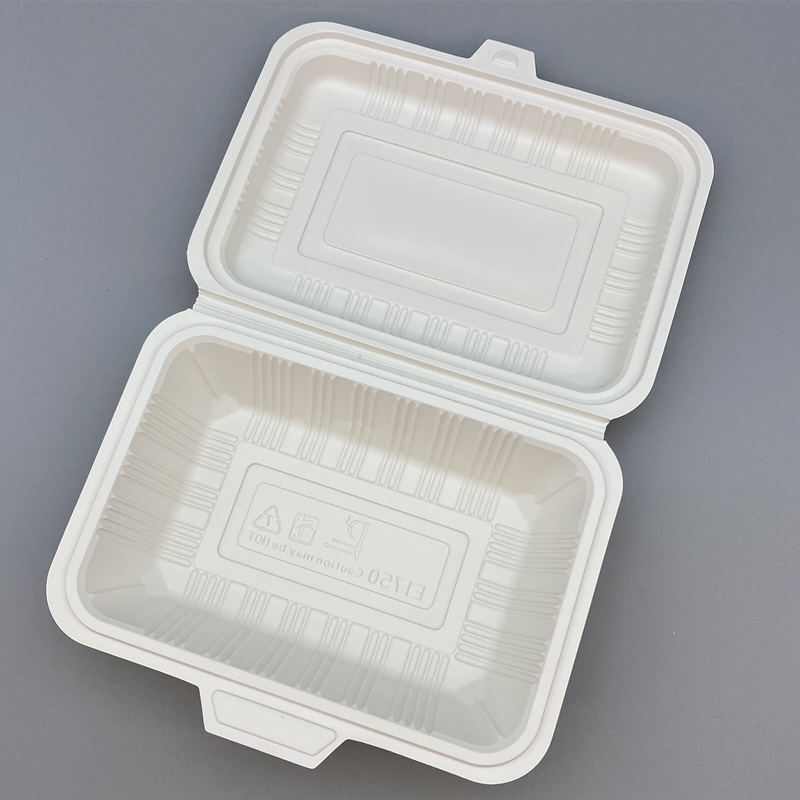
Picnic Food Serving: Biodegradable Cornstarch 7*5 inch Lunch Box
View Details →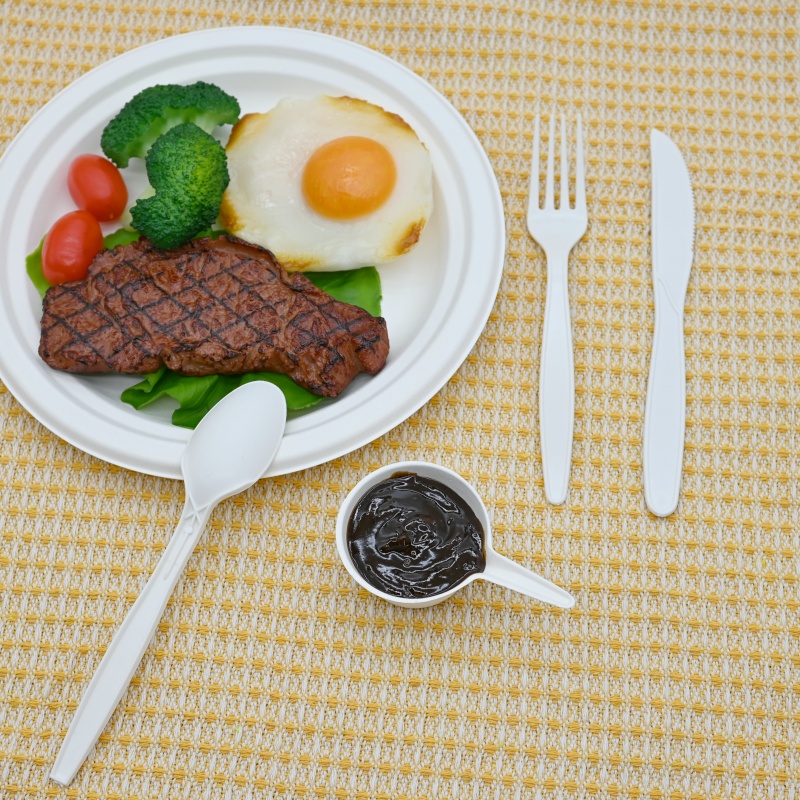
Picnic Food Serving: Natural 7" Cornstarch Cutlery Set
View Details →