+86 15177781985
1. The Rise of Eco-Friendly Takeaway Beverage Packaging
The global takeaway beverage service sector has experienced unprecedented growth over the last decade. Driven by the fast-paced lifestyle of urban consumers and the rapid expansion of food delivery platforms, millions of coffee cups, bubble tea cups, and juice containers are consumed daily. However, this convenience comes with a heavy ecological price. While paper cups and biodegradable cup bodies have seen widespread adoption, the humble cup lid remains one of the most significant challenges in the packaging waste stream. The shift toward a high-performance, Recyclable Cup Lid For Takeaway Beverage Service represents a critical milestone in establishing a truly circular economy for the food and beverage packaging industry.
Historically, takeaway lids were produced from cheap, single-use plastics like Polystyrene (PS). While PS offers rigidity and low production costs, it is notoriously difficult to recycle, takes centuries to decompose, and often releases toxic chemicals when heated. As global awareness of plastic pollution rises, consumers are demanding that brands take responsibility for their entire packaging footprint. A recyclable cup lid is no longer an optional sustainability statement; it is a fundamental requirement for modern quick-service restaurants (QSRs), coffee chains, and beverage brands looking to secure long-term consumer trust.
"The transition to circular food packaging relies on redesigning the smallest components. A cup lid may seem minor, but when multiplied by billions of daily takeaway orders, its ecological footprint is massive. Implementing recyclable and compostable lids is a critical step in zero-waste beverage service operations."
2. Industrial Challenges and the Material Science Revolution
Developing a functional, cost-effective, and fully recyclable cup lid involves overcoming complex engineering and material science hurdles. In takeaway beverage delivery, a lid must perform multiple critical tasks: it must provide an airtight seal to prevent spills, resist high temperatures from hot coffee or tea, maintain structural integrity under humid conditions, and allow for a smooth drinking experience. Traditional plastics excelled at these properties, making the search for sustainable alternatives challenging.
Today, the industry is witnessing a material science revolution. Manufacturers are leveraging advanced polymers and natural fibers to create lids that match the performance of traditional plastics while offering clear recycling pathways. The most prominent materials include:
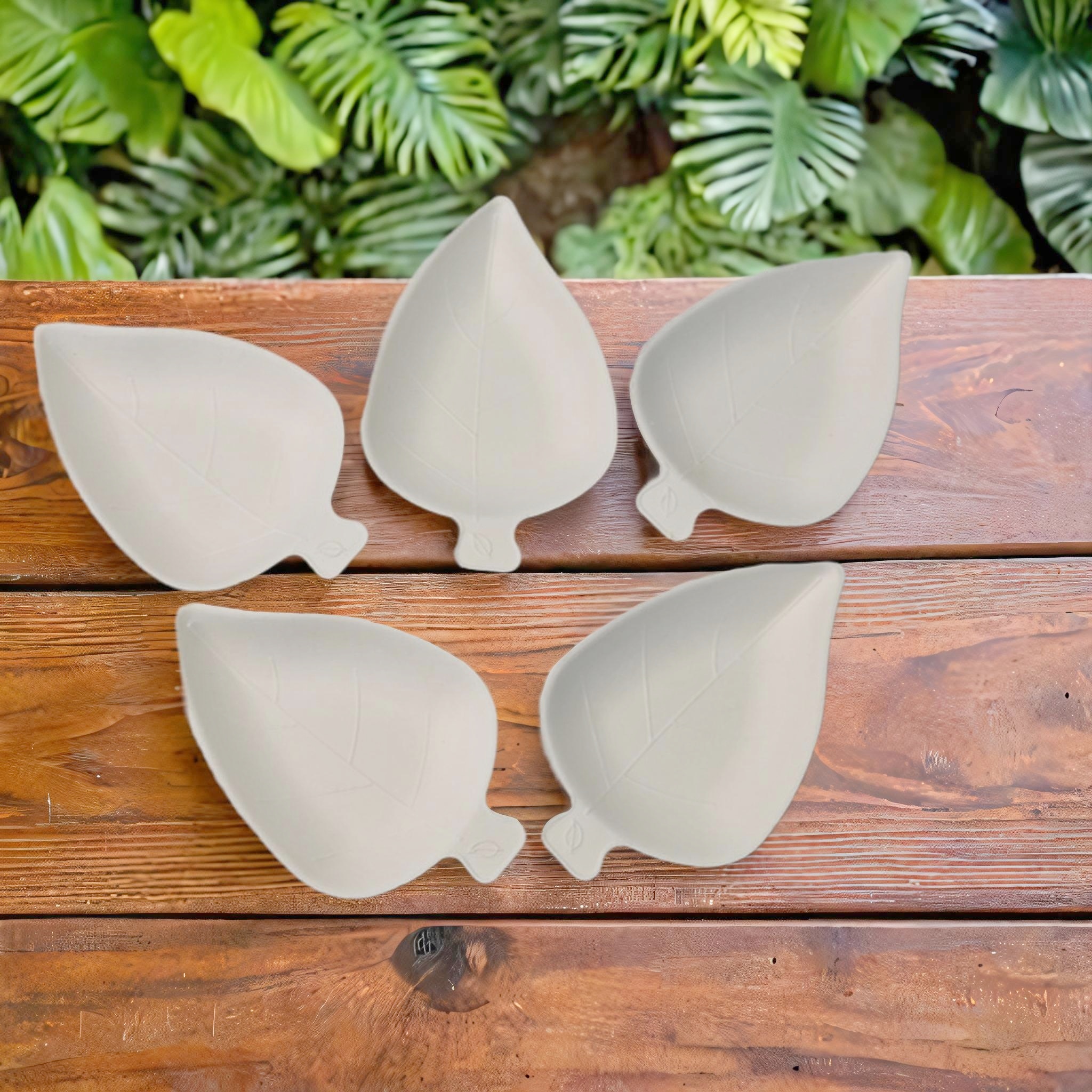
- Molded Sugarcane Bagasse & Bamboo Fiber: These natural plant-based fibers are highly renewable. Through advanced thermoforming processes, they are molded into rigid, heat-resistant lids that are fully compostable and biodegradable. They provide a premium, organic texture that enhances brand perception.
- Recyclable Polypropylene (PP): PP is highly heat-resistant and widely accepted in standard municipal recycling streams. Unlike PS, PP lids can be easily recycled into new consumer products, making them a pillar of circular packaging systems.
- Polylactic Acid (PLA) and CPLA: Derived from cornstarch or sugarcane, PLA is a bio-based plastic. For hot beverages, Crystallized PLA (CPLA) is utilized to withstand temperatures up to 90°C. Both materials offer a significantly lower carbon footprint compared to petroleum-based plastics.
3. Deep Application Scenarios in Modern Takeaway Services
The operational environment of takeaway beverage services is highly demanding. Packaging must adapt to various logistics paths, from third-party scooter deliveries to drive-thrus and pedestrian commuters. Let's analyze how recyclable cup lids perform across different scenarios:
Hot Coffee and Tea Delivery
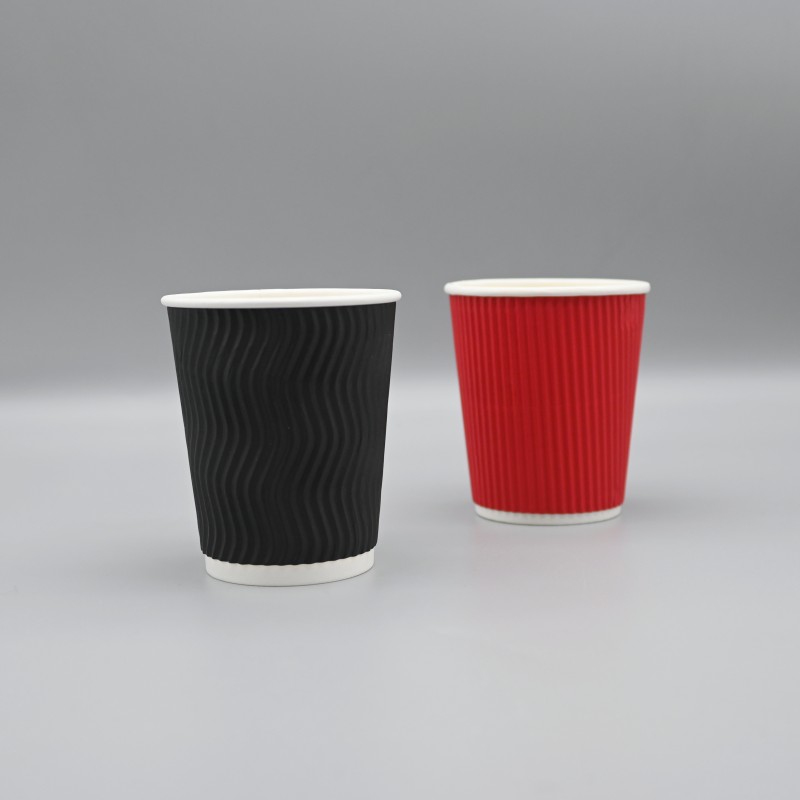
For hot beverages, heat retention and safety are paramount. A premium recyclable lid must fit tightly onto paper cups to prevent steam from softening the cup rim, which can lead to structural collapse. The sip hole must be ergonomically designed to control the flow of hot liquid, preventing mouth burns. Furthermore, the material must not emit any off-gassing or alter the flavor profile of high-grade artisanal coffees.
Cold Beverage and Bubble Tea Services
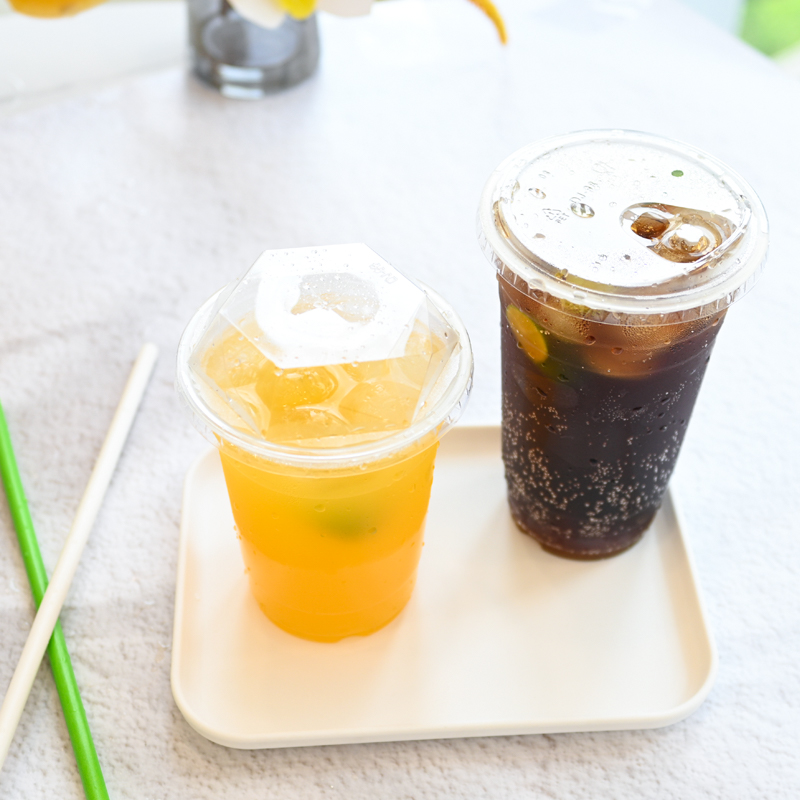
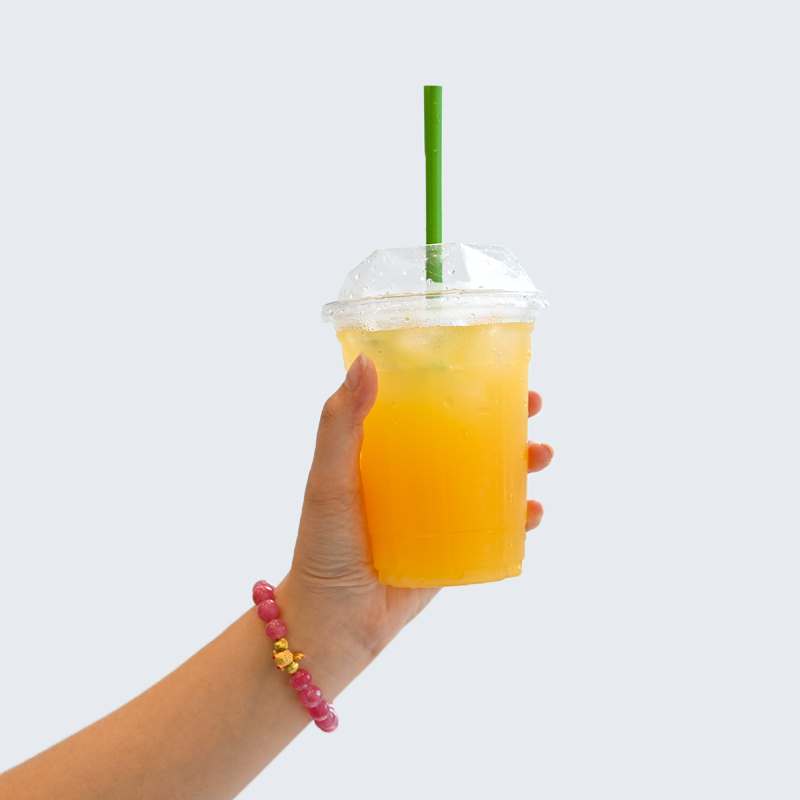
Cold drinks present a different set of challenges, primarily condensation and straw integration. Recyclable PET and PLA dome lids offer crystal-clear transparency, showcasing colorful layered drinks, whipped cream, and toppings. For bubble tea, lids must feature robust, puncture-friendly straw slots that seal tightly around wide straws, preventing spills when the drink is shaken or transported.
Third-Party Delivery Logistics
The explosion of delivery apps has changed the physical demands on packaging. A delivery driver carrying multiple drinks on a motorcycle exposes the cups to constant vibration and tilting. Modern recyclable lids incorporate double-groove sealing technology and integrated plug designs. These features seal the sipping hole during transit and can be easily opened by the consumer upon arrival, ensuring a pristine delivery state.
4. Global Trends, Regulations, and Corporate Responsibility
The shift toward recyclable cup lids is heavily accelerated by government regulations worldwide. The European Union's Single-Use Plastics Directive (SUPD), national plastic bans in China, and local ordinances in North America are systematically phasing out non-recyclable materials. QSR chains and beverage brands that fail to adapt risk facing significant fines, operational disruptions, and severe public relations backlash.
Beyond regulatory compliance, sustainability has become a powerful marketing tool. Modern consumers, particularly Gen Z and Millennials, actively align themselves with brands that demonstrate authentic environmental stewardship. By adopting certified recyclable or compostable cup lids, brands can communicate their commitment to sustainability at every touchpoint. This simple change turns a routine takeaway purchase into a positive, guilt-free consumer experience, driving brand loyalty and positive word-of-mouth.