 +86 15177781985
 orders@mvi-ecopack.com


 +86 15177781985
 orders@mvi-ecopack.com
Featured Office Drinking Solutions
The Evolution of Sustainable Beverage Systems in Modern Workspaces
In today's corporate environments, the coffee break room is no longer just a place to grab a quick caffeine boost; it is a hub of employee interaction, collaboration, and workplace culture. However, the environmental footprint of this daily ritual is substantial. Every year, billions of single-use cups end up in landfills, prompting business owners, facility managers, and sustainability coordinators to seek viable alternatives. The integration of recyclable coffee cups for office drinking supply programs represents a major step forward in reducing waste, satisfying corporate ESG (Environmental, Social, and Governance) targets, and demonstrating a visible commitment to the circular economy.
Transitioning to eco-friendly drinking supplies requires an understanding of the industrial landscape, material science, and practical application scenarios. It is not simply a matter of swapping one cup for another; it is about building a sustainable ecosystem that works within the parameters of modern office operations. This guide explores the commercial realities, technological innovations, and strategic approaches to implementing green drinking solutions in the workplace.
Commercial & Industrial Landscape of Office Drinking Supplies
The office coffee service (OCS) market is experiencing a profound shift. Historically, procurement decisions were driven strictly by unit cost and convenience. This led to the widespread adoption of plastic-coated paper cups and expanded polystyrene (styrofoam) cups. While cheap to buy, these products carry hidden environmental costs that are increasingly being internalized by businesses through rising waste disposal fees and regulatory compliance burdens.
Traditional paper cups are lined with polyethylene (PE) plastic to prevent leaks. This mixed-material construction makes them highly difficult to recycle, as standard paper recycling facilities cannot easily separate the plastic lining from the paper fibers. Consequently, the vast majority of these cups are incinerated or landfilled. In contrast, the modern industrial packaging sector is leveraging advanced chemical engineering to develop cups that are either fully compostable in commercial facilities or easily recyclable in standard paper streams. These innovations allow businesses to maintain the convenience of single-use cups while drastically reducing their landfill contribution.
Key Market Trend: Organizations that adopt sustainable packaging solutions report higher employee satisfaction and stronger alignment with global carbon reduction targets, turning breakroom overhead into a brand-building asset.
Material Innovations: PLA, Bagasse, and Water-Based Coatings
Understanding the science behind sustainable cup materials is crucial for making informed purchasing decisions. Today's market is dominated by three main categories of eco-friendly materials:
1. Polylactic Acid (PLA) Lined Paper Cups
PLA is a plant-based thermoplastic derived from fermented plant starch, usually corn or sugarcane. When used as a lining for paper cups, PLA provides the necessary moisture and heat barrier without relying on petroleum-based plastics. These cups are certified compostable in commercial facilities, meaning they break down into organic matter under controlled conditions, leaving no toxic residues.
2. Sugarcane Bagasse and Wheat Straw Fibers
Bagasse is the fibrous residue remaining after sugarcane stalks are crushed to extract juice. Instead of burning this agricultural byproduct, manufacturers reclaim it to create durable, heat-resistant plates, bowls, and cups. Bagasse tableware is 100% compostable and degrades naturally within 90 days in a composting environment. It represents a true waste-to-value circular model.
3. Water-Based Dispersion Coatings
A cutting-edge solution in the paper cup industry is the use of water-based barrier coatings. Instead of laminating the paper with a plastic film (whether PE or PLA), a water-based polymeric dispersion is applied to the paper board. This coating provides excellent grease and liquid resistance, yet allows the cup to be repulped in standard paper recycling mills without requiring specialized separation equipment.
Corporate ESG Commitments and Regulatory Drivers
The push toward recyclable coffee cups is not just a voluntary public relations effort; it is increasingly mandated by regulatory frameworks and investor expectations. Across Europe, North America, and parts of Asia, single-use plastic bans are becoming stricter. From local municipal ordinances to state-wide legislation, companies are being forced to phase out traditional plastics. Failure to comply can lead to fines, operational delays, and damage to brand reputation.
Simultaneously, corporate ESG reporting has become a standard requirement for publicly traded companies and those seeking investment. Procurement departments are now tasked with auditing their supply chains and reducing Scope 3 emissions (indirect emissions that occur in the value chain). Swapping out thousands of plastic cups for compostable bagasse or recyclable paper cups provides a clear, measurable metric that can be highlighted in annual sustainability reports, demonstrating proactive environmental stewardship.
Deep-Dive Application Scenarios in Modern Workspaces
To maximize the success of sustainable drinking supplies, offices must tailor their approach to specific operational environments:
A. High-Volume Corporate Breakrooms
In large corporate headquarters with hundreds of daily users, the volume of waste generated at coffee stations is immense. The optimal solution here is a combination of PLA-lined hot cups, sugarcane lids, and clearly labeled collection bins. By partnering with a local industrial composting service, the office can create a closed-loop system where used cups are collected, composted, and returned to the soil as nutrient-rich fertilizer.
B. Executive Boardrooms and VIP Client Areas
For executive meetings and client presentations, presentation and quality are paramount. Standard paper cups may not project the desired level of prestige. In these settings, double-wall insulated recyclable paper cups or premium bamboo-fiber cups provide a superior tactile experience, keeping beverages hot while keeping hands comfortable, all while reinforcing the company's commitment to high standards and environmental responsibility.
C. Large-Scale Corporate Events and Conferences
Conferences, annual general meetings, and corporate retreats generate large spikes in waste over short periods. Using custom-printed recyclable cups allows companies to communicate their sustainability message directly to attendees. Custom branding on eco-friendly cups serves as a physical reminder of the host's values, generating positive brand association among participants.
D. Co-working Spaces and Shared Offices
Co-working spaces cater to a diverse range of tenants, many of whom are startups and freelancers who place a high value on sustainability. Offering compostable coffee cups, bamboo stirrers, and biodegradable cutlery as standard amenities helps co-working operators stand out in a competitive market, attracting environmentally conscious members.
Implementation Guide: Transitioning Your Office
Making the switch to sustainable office drinking supplies requires a structured approach to ensure high adoption rates and minimal confusion among staff:
- Step 1: Conduct a Waste Audit: Measure the current volume of cups, lids, and stirrers consumed monthly to establish a baseline.
- Step 2: Check Local Waste Infrastructure: Verify whether your local waste management company can process PLA compostables or if they require recyclable paper cups that fit standard recycling streams.
- Step 3: Select the Right Products: Partner with a certified supplier like MVI ECOPACK that provides FDA and OK COMPOST certified solutions to guarantee product safety and performance.
- Step 4: Design Clear Signage: Place clear, visual sorting guides above breakroom bins to minimize contamination of the waste streams.
- Step 5: Engage the Workforce: Launch internal communications explaining the environmental benefits of the transition, encouraging employees to participate actively.
A Green Practitioner With Over 15 Years Of Dedication
MVI stands for May (Renewal) and Vision. Founded in Nanning, China in 2010, we are committed to making sustainable packaging an accessible and effortless choice for businesses worldwide. As your Lightweight Green Partner, we specialize in producing fully biodegradable and compostable tableware and food packaging from renewable materials like sugarcane bagasse, cornstarch, and wheat straw. All products meet international standards, including FDA and OK COMPOST. As a supplier to the 2012 London Olympics, we understand the demands of a global stage. Today, we leverage mature OEM/ODM capabilities and factory-direct efficiency to provide cost-effective, reliable, and compliant solutions for catering chains, supermarkets, brands, and clients across the globe. We believe true sustainability should be simple, high-quality, and within reach.
Our Vision: Making Green Packaging a Global Consensus
With 15 years in eco-packaging, we know your top needs: compliance, stable quality, and cost-effectiveness. That’s why we build "sustainable standardization" into every production step - breaking the "eco = expensive" myth. Now, our clients can easily get high-quality biodegradable tableware without overspending. We always believe that when biodegradable packaging becomes a business staple, it stops being a cost - it becomes a driver for long-term brand growth.
Our Values: Win-Win for Nature, You & Our Team

Honor Nature - Turn Waste into Eco-Gifts
Made from bagasse and wheat straw, our packaging naturally degrades in 90 days - cutting burning and carbon for a cleaner planet.

For You — Eco Made Easy
Certified, factory-direct, and customizable. We solve your sustainability challenges, not add unnecessary costs.

With Our Team — Belief Creates Quality
A team committed to better materials, lower energy use, and constant improvement. When we believe in "waste-to-value," quality comes naturally.
Our Goals & Capacity
Replace Styrofoam and petroleum-based plastics with compostable products made from waste and plant materials.


Our History Milestones
MVI ECOPACK Founded
MVI ECOPACK was founded in Nanning, a famous green city in southwest China.
London Olympic Games Supplier
Proud supplier of eco-friendly tableware for the London Olympic Games.
Honest Export Enterprise
Named Made-in-China Honest Export Enterprise. Products exported to more than 30 countries.

Expansion of Capabilities
Equipped with 65 sets of production equipment and 6 workshops to ensure faster delivery and better quality control.

National Student Youth Games Supplier
Official tableware supplier for the 1st National Student Youth Games.

Green Run China & Carbon Footprint
Actively participated in the "Green Run CHINA · Carbon Footprint" public welfare run, practicing the zero-plastic concept by providing degradable water cups for participants.
Our Exhibitions & Global Recognition
For Over A Decade, Mvi Ecopack Has Showcased Its Strength At Major Global Trade Shows, Including The Canton Fair And The Hong Kong Mega Show - Earning Industry Recognition And Long-Term Trust From International Clients.


Exhibition Gallery


Factory Strengths & Sustainable Materials


Shop By Material


New Arrivals
 16oz Iridescent Holographic Christmas Double Wall Paper Cup
 16oz Christmas Double‑Wall Foamed‑Surface Cups
 Hot Drink Sugarcane Coffee Cup Lid (PFAS Free)
 MVI 90mm Cold Use Bagasse Dome Lid
 MVI Eco-Friendly Sugarcane Foldback Coffee Cup Lid
 12x8 Inch Large Bagasse Clamshell Box
 9x6 inch Bagasse Fish & Chips Box
 MVI 7.5x6 Bagasse Clamshell Box
 MVI ECOPACK 6oz Sugarcane Bowl
 Plastic-Free Sugarcane Bagasse Straws
Complete Sustainable Office Tableware Range
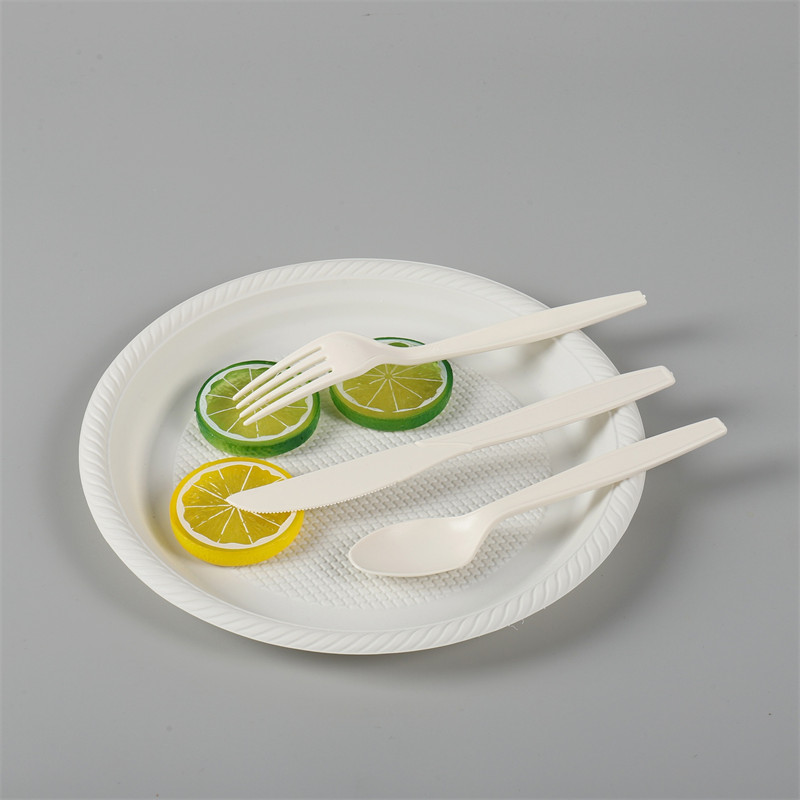 Office Eco-Friendly Cornstarch Cutlery Set - Ideal for Breakrooms
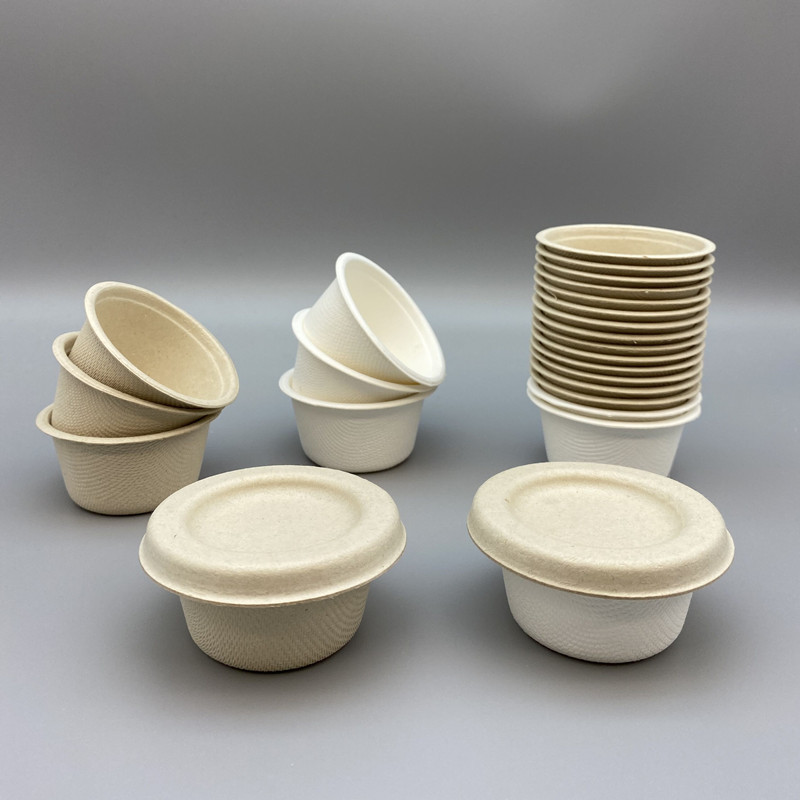 Recyclable 2oz Sugar Cane Portion Cup with Lid for Office Condiments
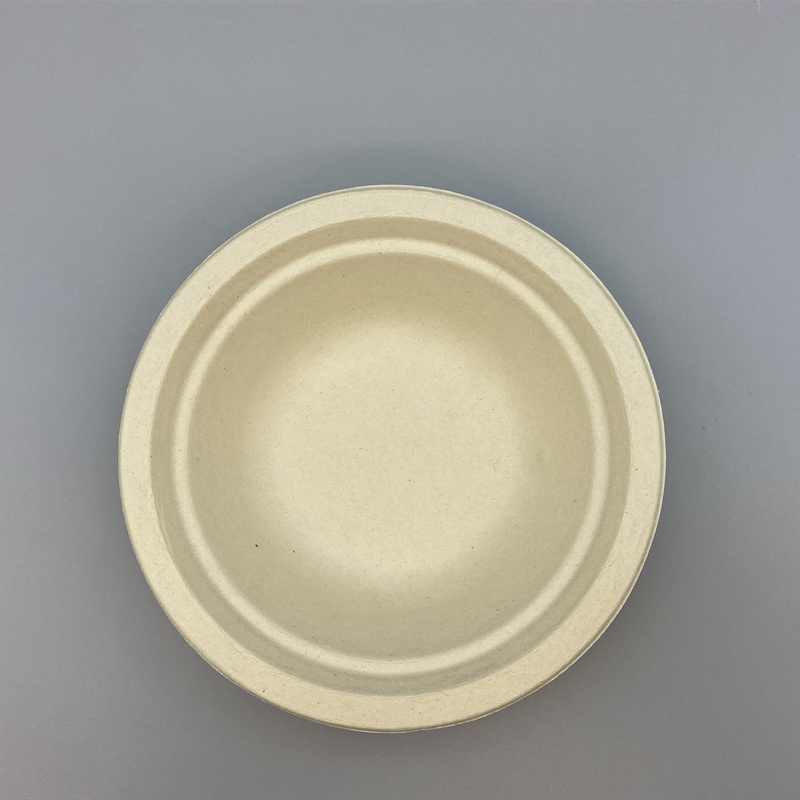 14oz Sugarcane Fiber Compostable Bowl for Office Lunch & Snacks
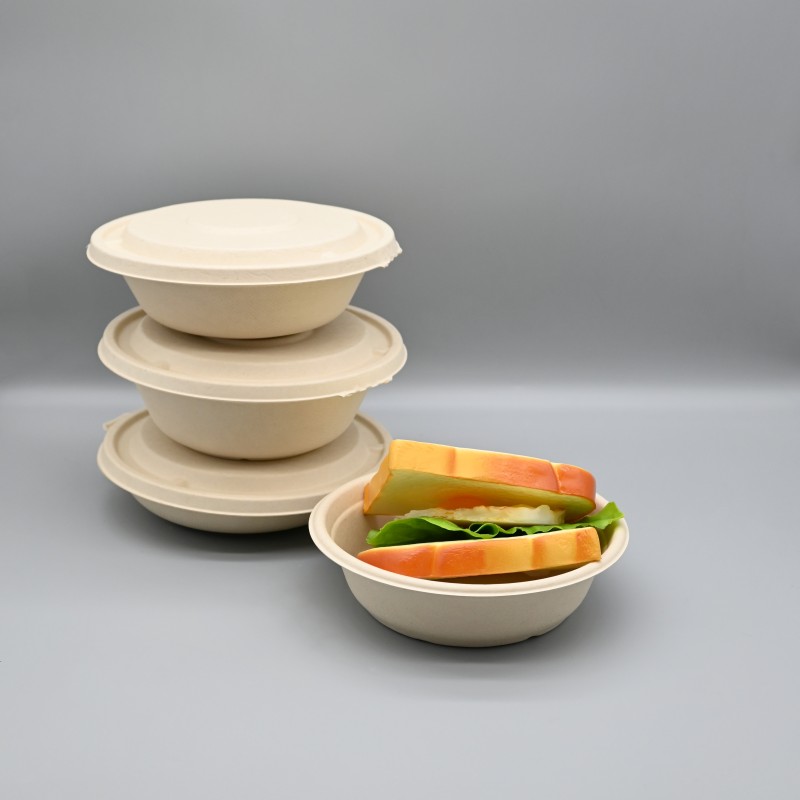 Biodegradable Sugarcane Bagasse 33oz Salad Bowl for Corporate Catering
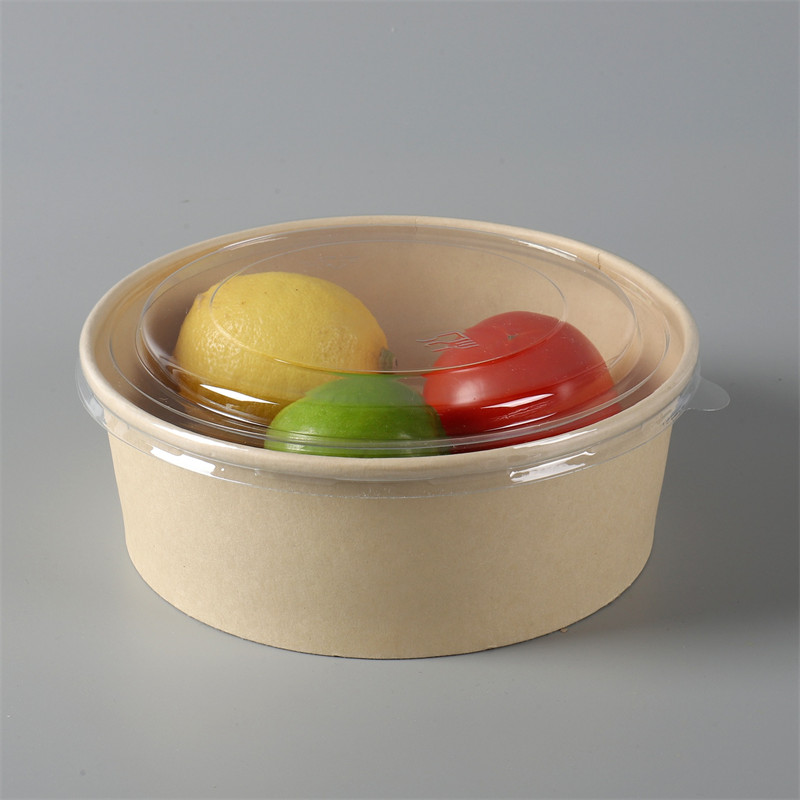 Eco-friendly Bamboo Fiber Bowl with Lid for Office Food Storage
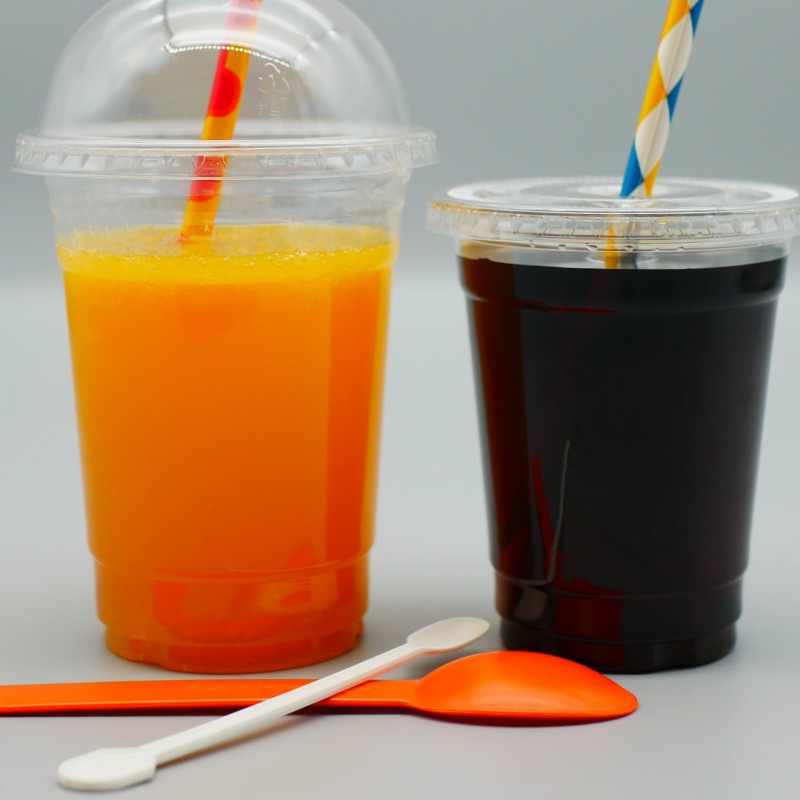 Transparent PLA Cold Beverage Cups for Office Milk Tea & Drinks
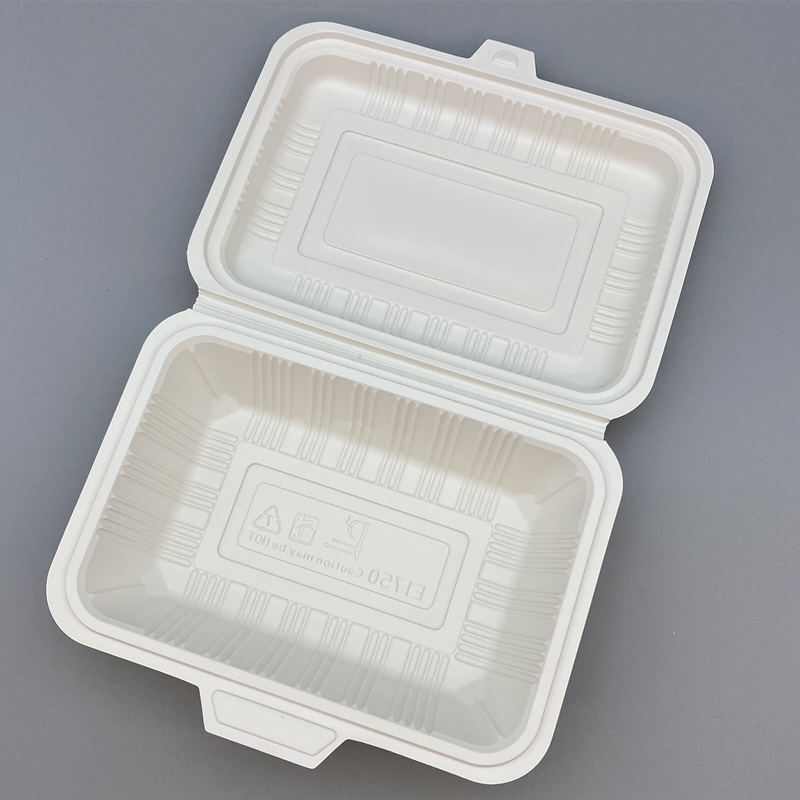 Biodegradable Cornstarch Food Container for Office Lunch Prep
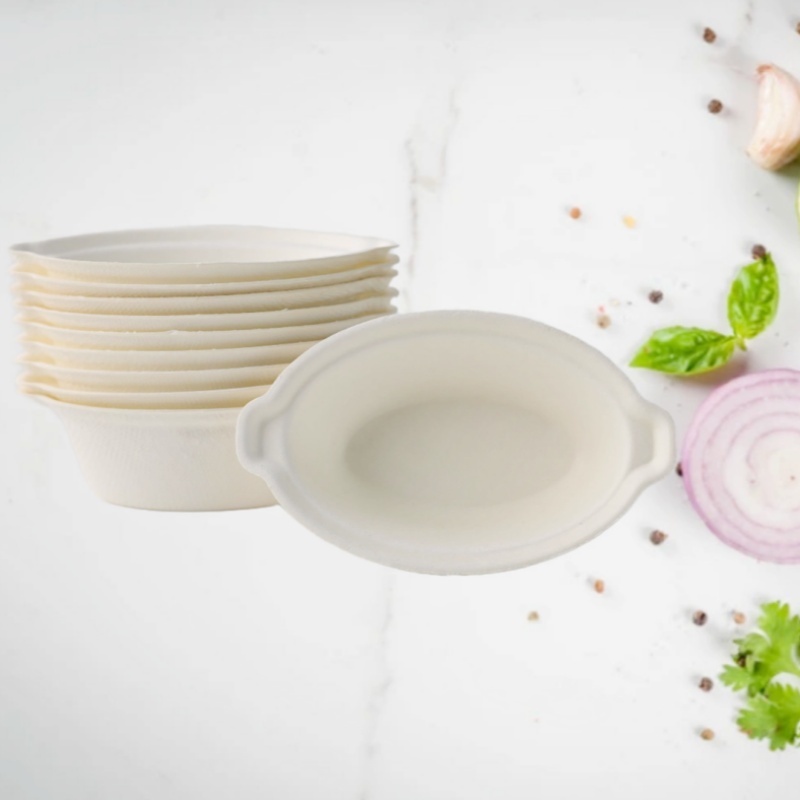 Bagasse Boat Shape Sauce Dishes for Office Tasting Events


