+86 15177781985
 orders@mvi-ecopack.com


 +86 15177781985
 orders@mvi-ecopack.com
Featured Cafe Serving Packaging Solutions
Optimized for Coffee Shops, Bakeries, and Takeaway Beverage Services
Deep Dive: Recyclable Box Packaging in the Global Cafe Beverage Industry
Market Dynamics, Material Engineering, and Sustainability Trends
The global beverage serving industry, particularly the cafe segment, is experiencing a paradigm shift. With coffee culture expanding into every corner of modern urban life, the volume of single-use waste generated daily has reached critical proportions. Historically, plastic cups, polyethylene-lined paper cups, and polystyrene carrier trays dominated the takeaway landscape. However, today’s consumer is highly eco-conscious, demanding that their daily caffeine ritual does not contribute to plastic pollution. This shift has driven the adoption of recyclable box packaging for cafe beverage serving, transforming simple carryout boxes into sophisticated, sustainable brand assets.
For modern cafes, packaging is no longer just a functional tool to transport beverages from the counter to the consumer’s desk. It is a critical touchpoint of brand identity, a statement of ecological responsibility, and a major factor in delivery logistics. The rise of delivery apps has further complicated this dynamic. Hot coffees, iced lattes, and delicate pastries must now travel miles in the back of delivery vehicles without spilling, losing heat, or causing condensation to compromise the structural integrity of the box. Consequently, packaging engineering has had to evolve rapidly, blending advanced material science with innovative structural design.
100% Biodegradable
Made from renewable plant resources like sugarcane bagasse and bamboo fiber, degrading naturally within 90 days.
Food-Grade Certified
Fully compliant with global safety standards, including FDA, OK COMPOST, and BRCGS, ensuring chemical-free contact.
Circular Economy
Easily recyclable in standard paper recycling streams, reducing municipal solid waste and carbon emissions.
1. The Regulatory Landscape and the War on Plastic
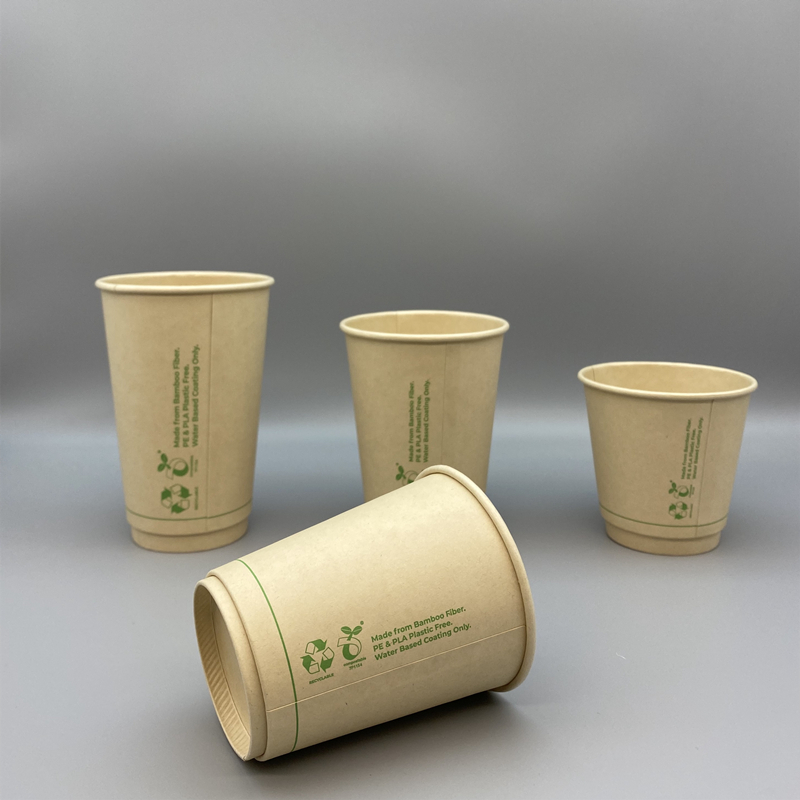
Across Europe, North America, and parts of Asia, strict regulations are reshaping the packaging market. Extended Producer Responsibility (EPR) laws hold cafes and packaging manufacturers accountable for the lifecycle of their products. Single-use plastic bans have targetted plastic straws, stirrers, and traditional PE-coated cups. The focus has now turned to PFAS (per- and polyfluoroalkyl substances), commonly used to make paper packaging water- and grease-resistant. In response, MVI ECOPACK has developed advanced water-based coating technologies that provide the necessary liquid barrier without relying on harmful plastics or PFAS chemicals. This ensures that the cups can be repulped easily during recycling, fitting seamlessly into the circular economy.
2. Material Innovations: Beyond Traditional Paperboard
To understand the complexity of recyclable box packaging for cafe beverage serving, one must look at the materials. Standard cardboard, while recyclable, often fails when exposed to steam and condensation. Modern sustainable packaging relies on engineered natural fibers:
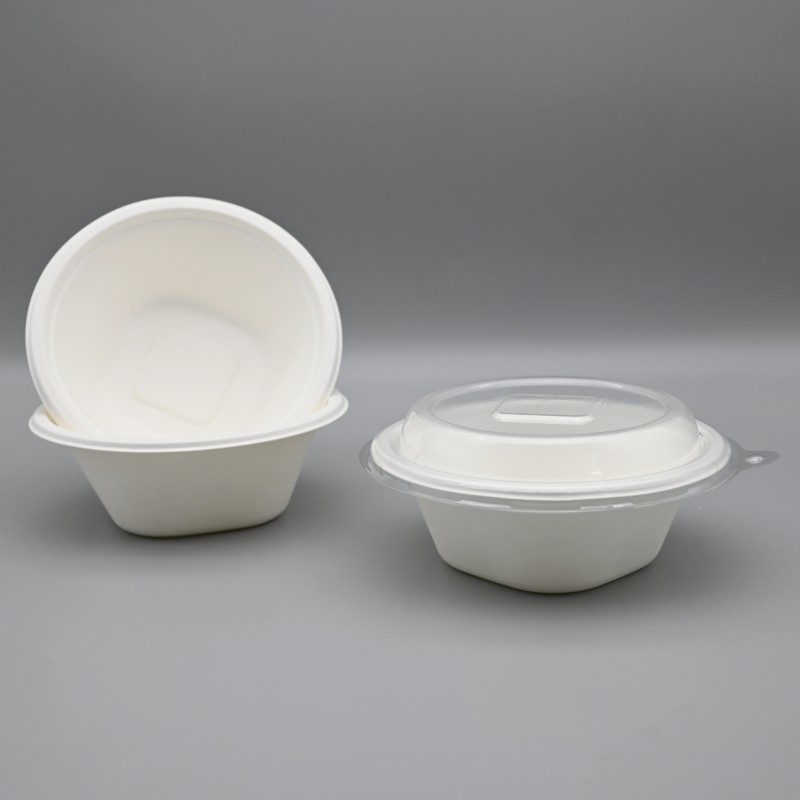
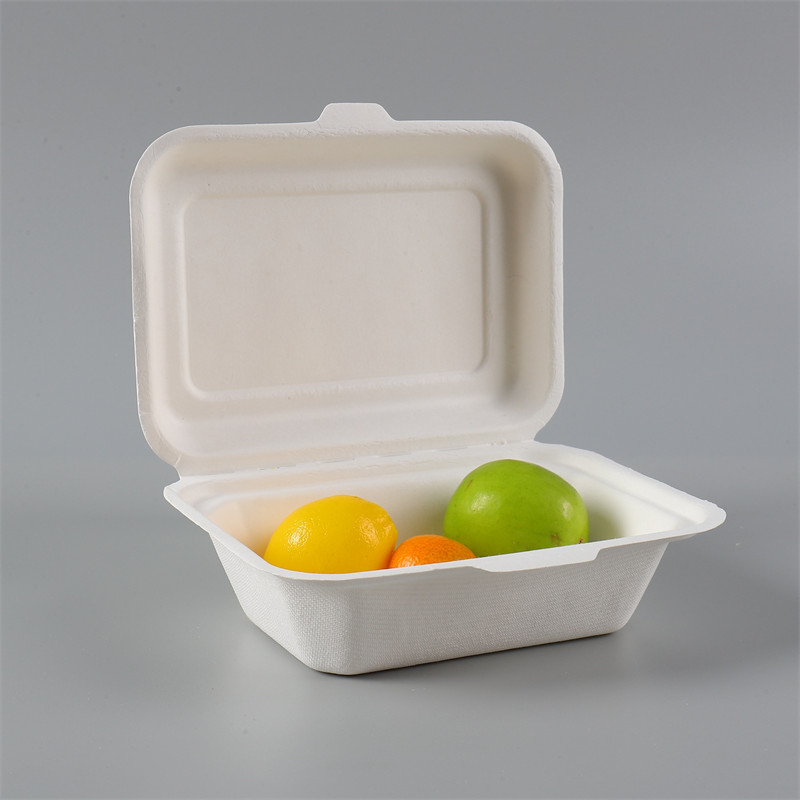
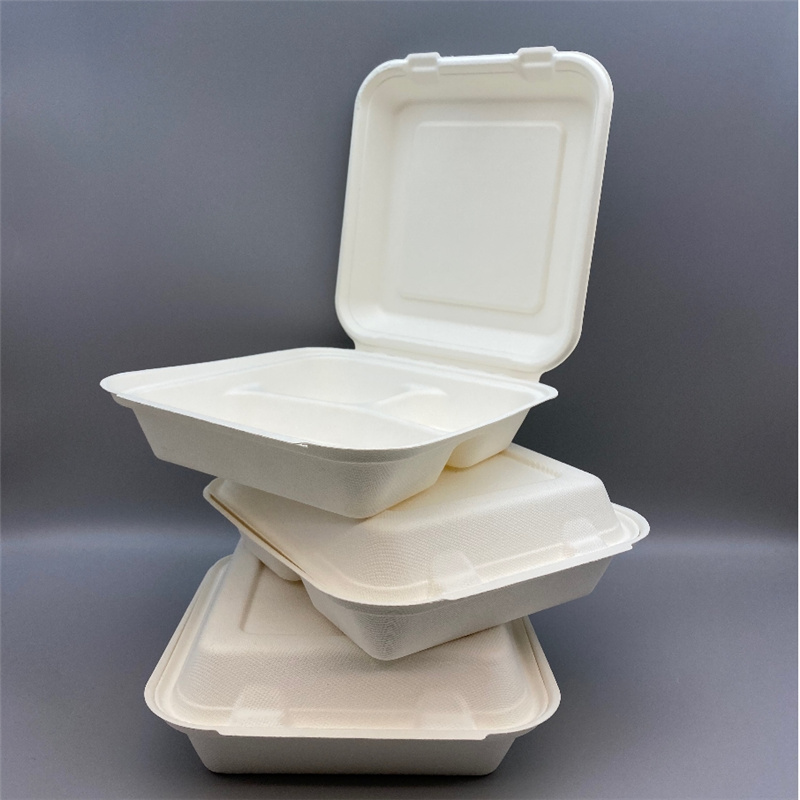
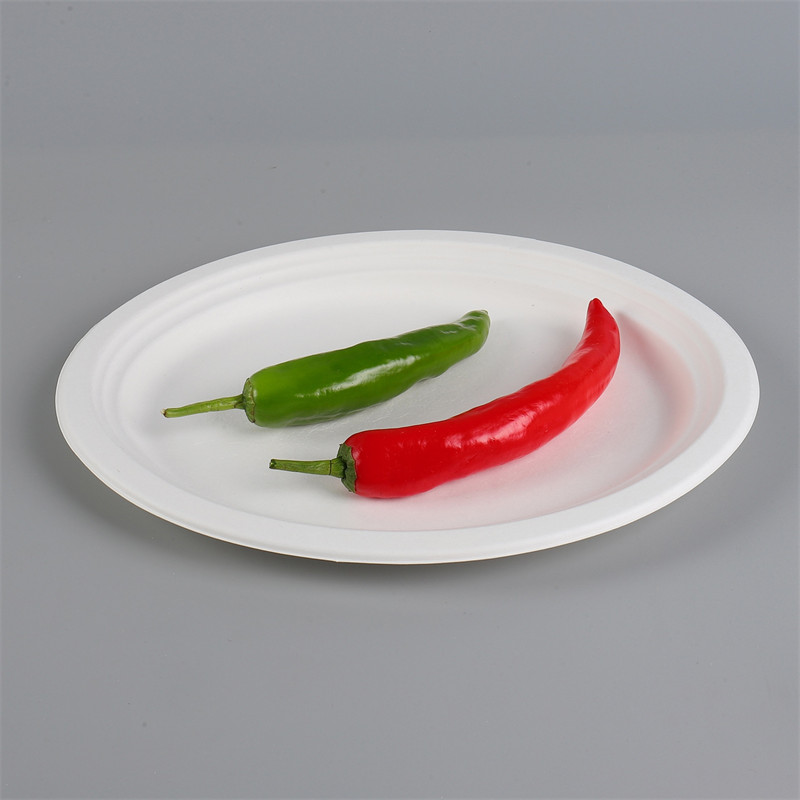
- Sugarcane Bagasse: A byproduct of the sugar extraction industry, bagasse fibers are incredibly strong. When molded, they create rigid, heat-resistant structures ideal for drink carriers, clamshell boxes, and plates. Bagasse naturally composts within 90 days and leaves no toxic residues.
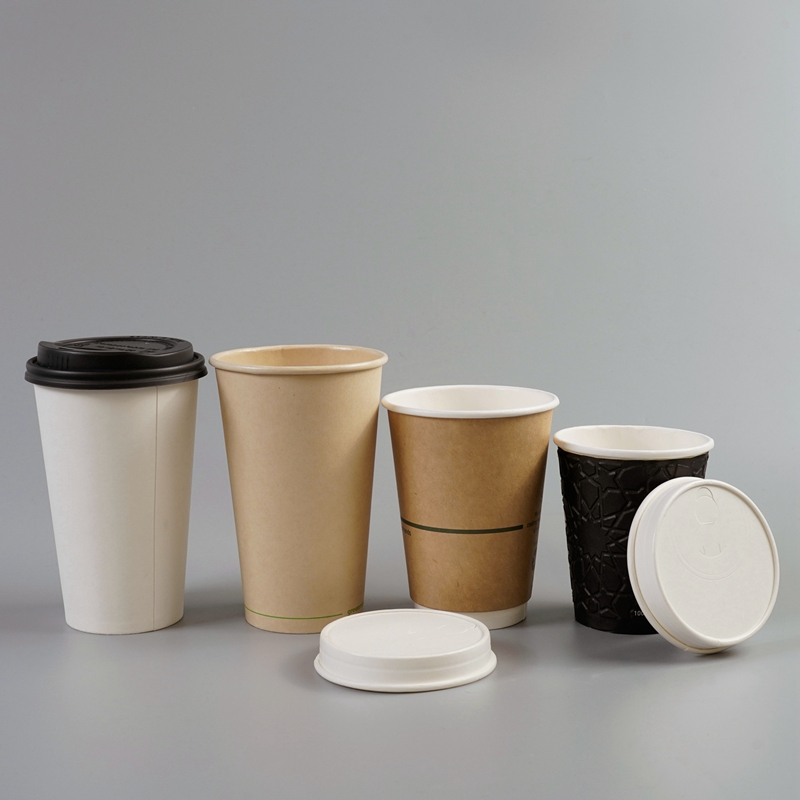
- Water-Based Barrier Coatings (WBBC): Traditional paper cups are lined with a thin layer of polyethylene (PE) plastic, making them nearly impossible to recycle in standard paper mills. WBBC technology replaces this plastic layer with a dispersion polymer coating that breaks down easily during the repulping process, allowing the paper fibers to be reclaimed and reused.
- Polylactic Acid (PLA): Derived from fermented plant starch (usually corn), PLA is used for cold drink cups and transparent box windows. It offers the clarity and performance of petroleum-based plastics but is 100% industrially compostable.
3. Deep Scenario Analysis: The Takeaway and Delivery Challenge
Consider the journey of a hot cappuccino ordered via a delivery app. The packaging must solve multiple engineering challenges simultaneously:
Thermal Retention & Structural Integrity: The box carrier must insulate the cup to keep the beverage hot while preventing the heat from weakening the box structure. Double-wall paper cup construction, combined with molded bagasse carriers, creates dead-air space that retains heat and keeps the outer packaging dry and rigid.
Spill Prevention & Safe Transit: Standard open-top cup holders are prone to tipping during transit. Integrated box packaging with secure circular inserts locks the cups in place. Additionally, compostable bagasse lids provide a tight, leak-proof seal that rivals traditional plastic lids, ensuring the beverage arrives intact.
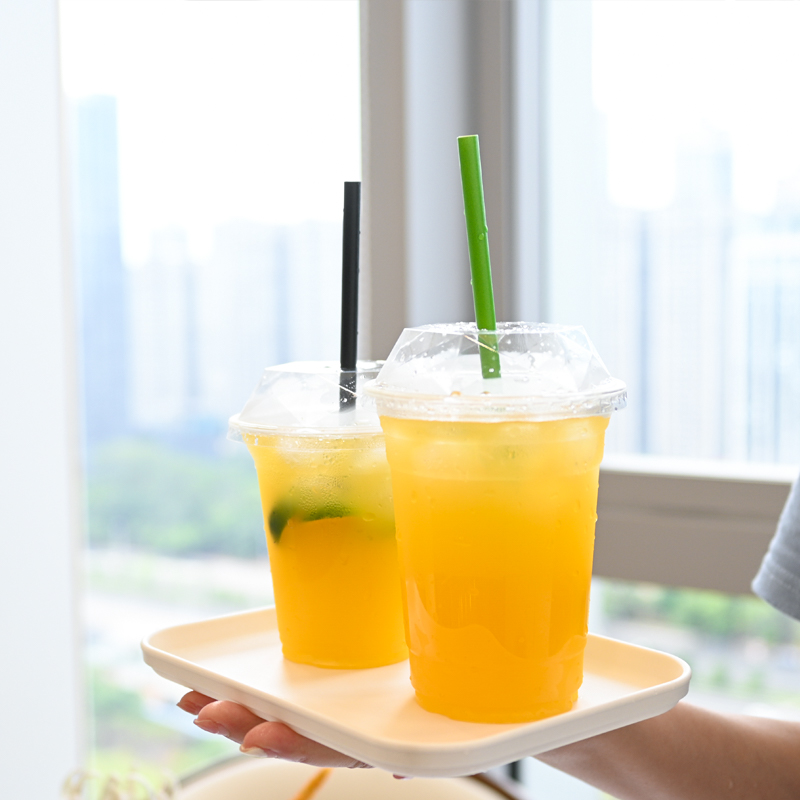
Condensation Control for Cold Drinks: Iced beverages pose a different challenge. As condensation forms on the outer surface of a cold cup, it drips down, softening traditional paperboard carriers. Using moisture-resistant Kraft paperboard or molded bagasse prevents carrier collapse, maintaining a premium brand presentation at the customer's doorstep.
4. The Economic Case for Sustainable Standardization
For years, the primary barrier to adopting eco-friendly packaging was cost. "Eco-friendly" was synonymous with "expensive." However, by vertical integrating production and optimizing raw material sourcing—such as using agricultural waste like bagasse and wheat straw—MVI ECOPACK has broken this myth. Our mature OEM/ODM capabilities allow us to offer factory-direct prices, making sustainable packaging a viable standard for independent cafes and global catering chains alike. When green packaging is standardized, it ceases to be a premium cost and instead becomes a driver of brand loyalty, aligning the business with the values of modern consumers.
A Green Practitioner With Over 15 Years Of Dedication
May (Renewal) and Vision - Your Lightweight Green Partner
Founded in Nanning, China in 2010, MVI ECOPACK is committed to making sustainable packaging an accessible and effortless choice for businesses worldwide. As your Lightweight Green Partner, we specialize in producing fully biodegradable and compostable tableware and food packaging from renewable materials like sugarcane bagasse, cornstarch, and wheat straw. All products meet international standards, including FDA and OK COMPOST. As a supplier to the 2012 London Olympics, we understand the demands of a global stage. Today, we leverage mature OEM/ODM capabilities and factory-direct efficiency to provide cost-effective, reliable, and compliant solutions for catering chains, supermarkets, brands, and traders across the globe. We believe true sustainability should be simple, high-quality, and within reach.
Our Vision & Values
Making Green Packaging a Global Consensus

Honor Nature - Turn Waste into Eco-Gifts
Made from bagasse and wheatstraw, our package naturally degrades in 90 days - cutting burning and carbon for a cleaner planet.

For You — Eco Made Easy
Certified, factory-direct, and customizable. We solve your sustainability challenges, not add costs.

With Our Team — Belief Creates Quality
A team committed to better materials, lower energy use, and constant improvement. When we believe in "waste-to-value," quality comes naturally.
Our Journey & History
15 Years of Sustainable Growth and Global Recognition
Foundation in Nanning
MVI ECOPACK was founded in Nanning, a famous green city in southwest China, with a vision to replace petroleum-based plastics.
London Olympics Supplier
Proudly selected as a supplier of biodegradable tableware for the London Olympic Games, proving our capabilities on the global stage.
Honest Export Enterprise
Named Made-in-China Honest Export Enterprise. Our product footprint expanded to over 30 countries globally.
Capacity Extension
Expanded manufacturing facilities to 65 sets of production equipment and 6 specialized workshops to offer faster turnaround times.
National Student Youth Games
Appointed as the official tableware supplier for the 1st National Student Youth Games, reinforcing our local leadership.
Green Run China & Carbon Footprint
Actively participated in the "Green Run CHINA · Carbon Footprint" public welfare run, practicing the zero-plastic concept at supply stations by providing degradable water cups.
Materials We Master
Replacing Plastics with Renewable Agricultural Resources


Global Exhibitions & Outreach
Showcasing Eco-Innovation at Major Trade Shows Worldwide
For over a decade, MVI ECOPACK has showcased its strength at major global trade shows, including the Canton Fair and the Hong Kong Mega Show—earning industry recognition and long-term trust from international clients.


Complete Sustainable Cafe Serving Product Line
Explore Our Full Range of Eco-Friendly Tableware and Packaging