+86 15177781985
 orders@mvi-ecopack.com


 +86 15177781985
 orders@mvi-ecopack.com
Featured Restaurant Disposable Tableware Solutions
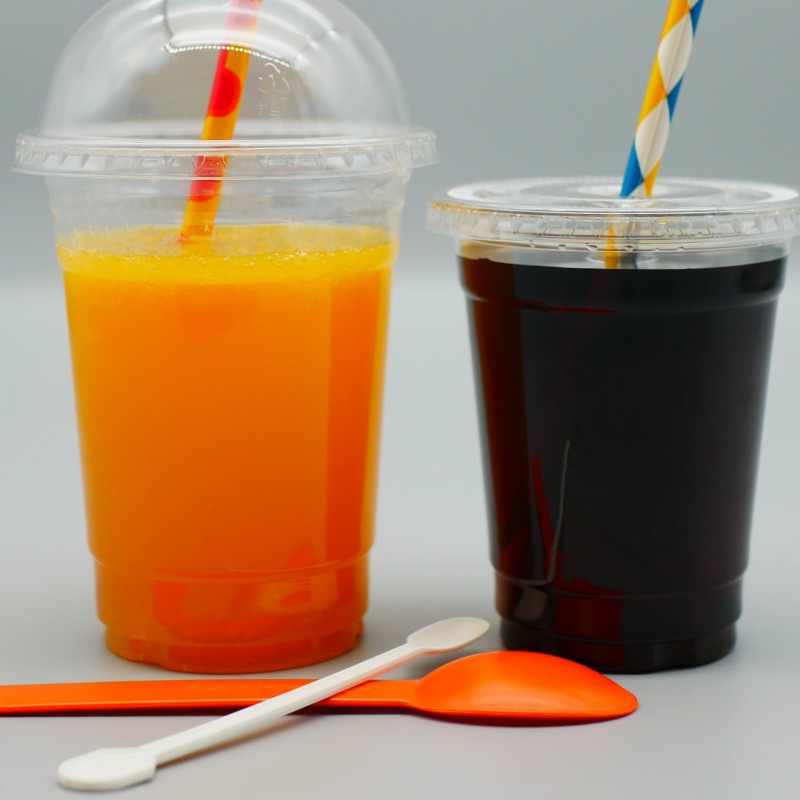
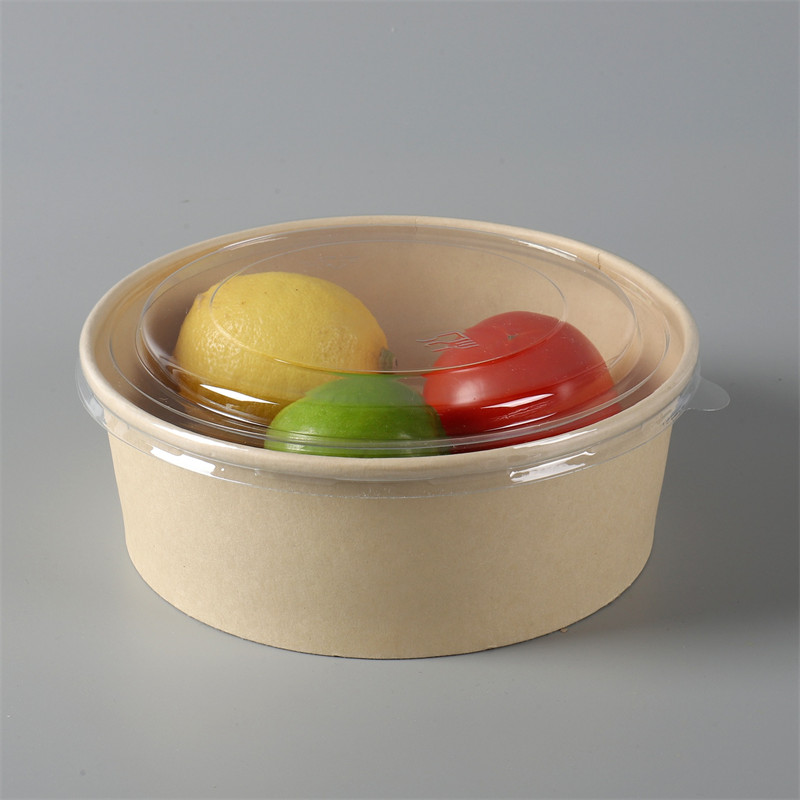
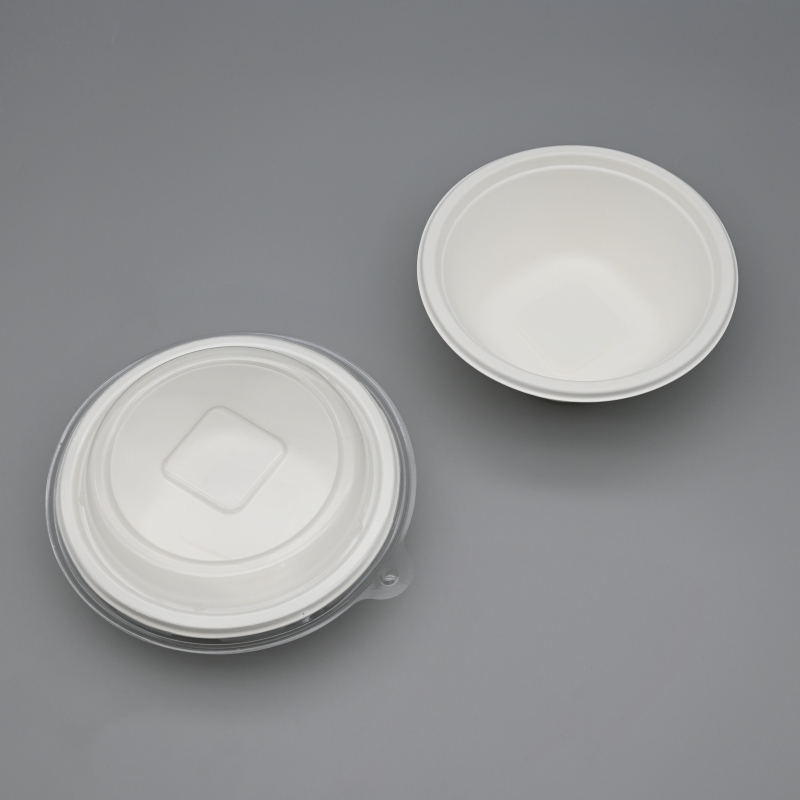

Paper Coffee Cups Recyclable For Restaurant Disposable Tableware: Commercial Realities & Future Trends
The global foodservice industry is witnessing an unprecedented transition in packaging materials. At the heart of this movement is the rapid adoption of Paper Coffee Cups Recyclable For Restaurant Disposable Tableware. Driven by stringent environmental regulations, shifting consumer preferences, and corporate ESG commitments, restaurants and quick-service food chains are actively phasing out traditional plastics. The challenge lies in finding solutions that maintain structural integrity during use while offering seamless recyclability post-consumption. This comprehensive guide explores the current commercial and industrial status of recyclable paper coffee cups and their place in the broader restaurant disposable tableware ecosystem.
Historically, paper cups required a polyethylene (PE) plastic lining to prevent liquid absorption. However, this hybrid design made recycling incredibly difficult, as standard paper mills could not separate the plastic film from the paper fibers. The modern industry has shifted towards Poly Lactic Acid (PLA) coatings derived from renewable cornstarch, and water-based dispersion barrier coatings (often called plastic-free coatings) that allow cups to be repulped directly in standard paper recycling streams.
1. Commercial Status of Recyclable Paper Coffee Cups in Foodservice
The global market for restaurant disposable tableware has transformed from a low-cost commodity market to a high-tech, compliance-driven industry. Today, restaurants cannot afford to overlook their carbon footprint. Major coffee chains and independent bistros alike are adopting recyclable paper cups to align with local single-use plastic bans, such as the EU's Single-Use Plastics Directive and similar municipal regulations across North America and Asia.
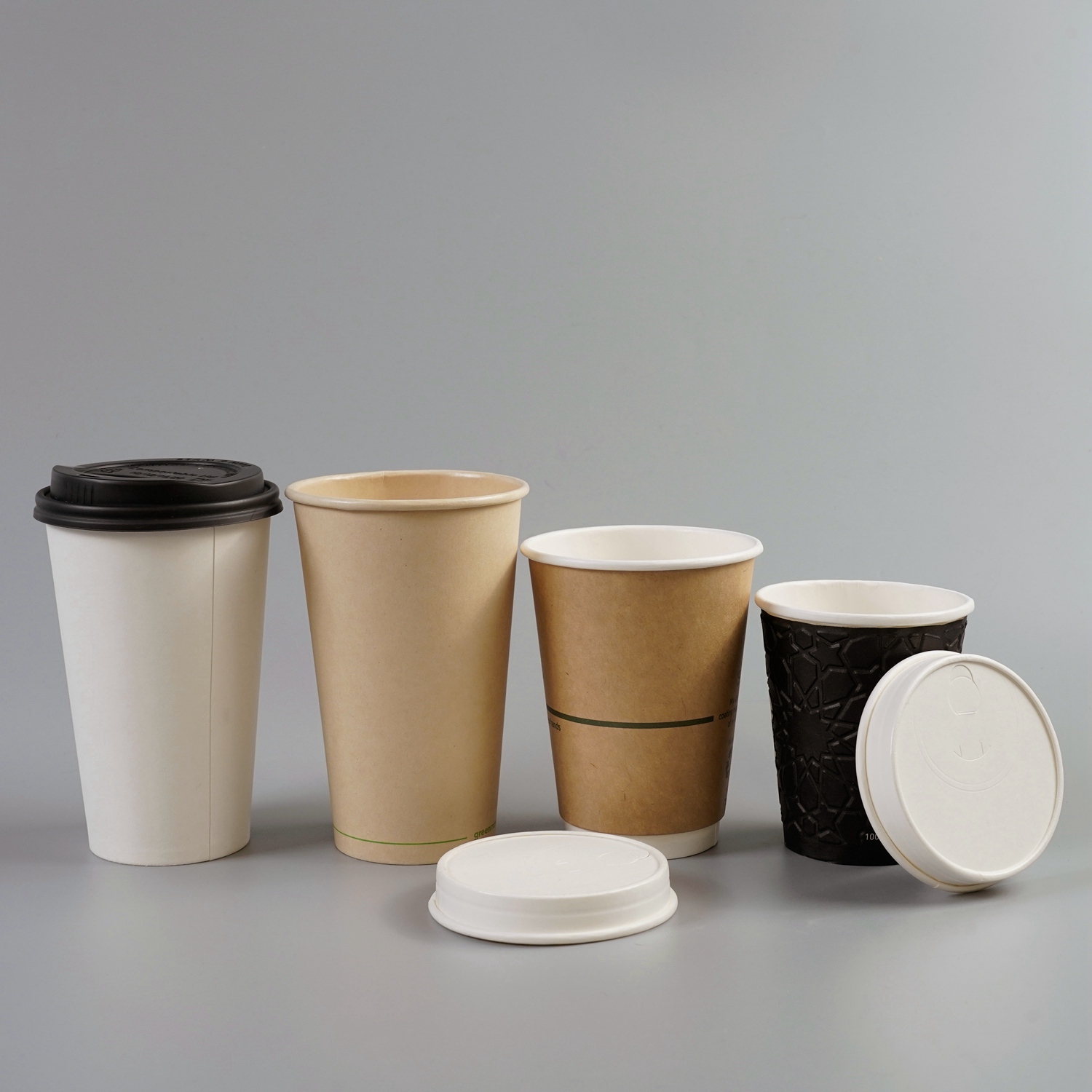
From a procurement perspective, B2B buyers look for products that offer a balance of cost-efficiency and performance. A leak-proof, heat-resistant paper cup is essential for operational safety. Double-wall and single-wall configurations coated with PLA or water-based barriers ensure that the cup remains sturdy even when filled with boiling beverages, while simultaneously meeting the strict requirements of circular economy initiatives.
2. Deep Application Scenarios in Modern Catering & Restaurants
To understand the utility of recyclable paper coffee cups, we must examine their diverse application scenarios within modern commercial catering:
- High-Volume Urban Coffee Shops: For QSRs (Quick Service Restaurants) operating in dense metropolitan areas, speed and reliability are key. Cups must fit standard lid sizes perfectly to prevent spills. Integrating recyclable paper cups with compostable bagasse lids creates a completely plastic-free beverage container system.
- Corporate Events & Hospitality: High-end catering services and corporate conferences demand premium aesthetics. Double-wall textured paper cups provide excellent thermal insulation, eliminating the need for separate cardboard sleeves, which reduces waste and simplifies inventory management.
- Delivery and Takeaway Operations: With the boom in food delivery applications, packaging must withstand transport vibration and temperature fluctuations. Recyclable paper cups with robust structural designs ensure that hot coffee, specialty teas, and cold beverages reach the consumer in perfect condition.
3. Industrial Development & Technological Trends
The manufacturing process of paper coffee cups has undergone significant technological upgrades. Advanced flexographic and digital printing technologies now utilize soy-based inks, ensuring that the branding on the cup does not introduce toxic chemicals into the recycling process. Furthermore, the integration of AI-driven sorting systems in municipal waste facilities is making it easier to identify and sort barrier-coated paper cups from general waste streams.
Another major trend is the development of PFAS-free coatings. As global health authorities restrict the use of per- and polyfluoroalkyl substances (PFAS) in food-contact packaging, manufacturers are leveraging natural plant-based polymers and minerals to achieve oil and water resistance. This ensures that the tableware remains safe for human health and completely compatible with organic recycling systems.
4. Integrating Paper Cups into a Complete Green Tableware Ecosystem
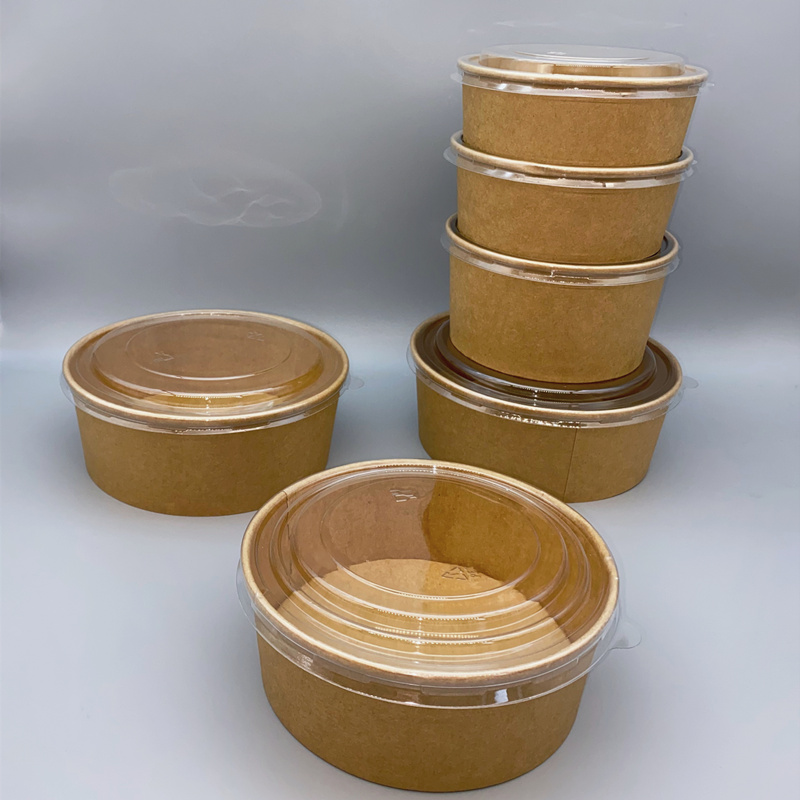
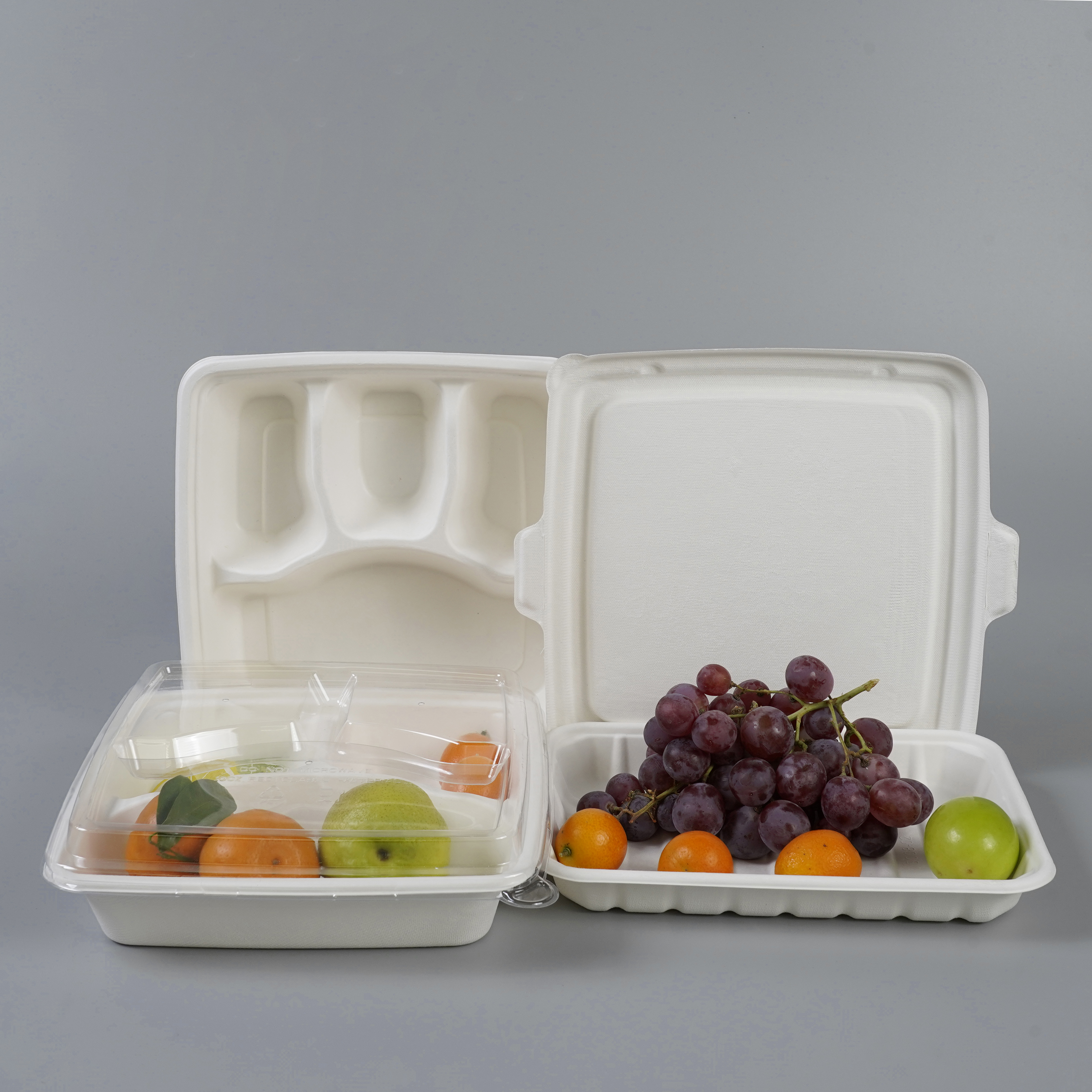
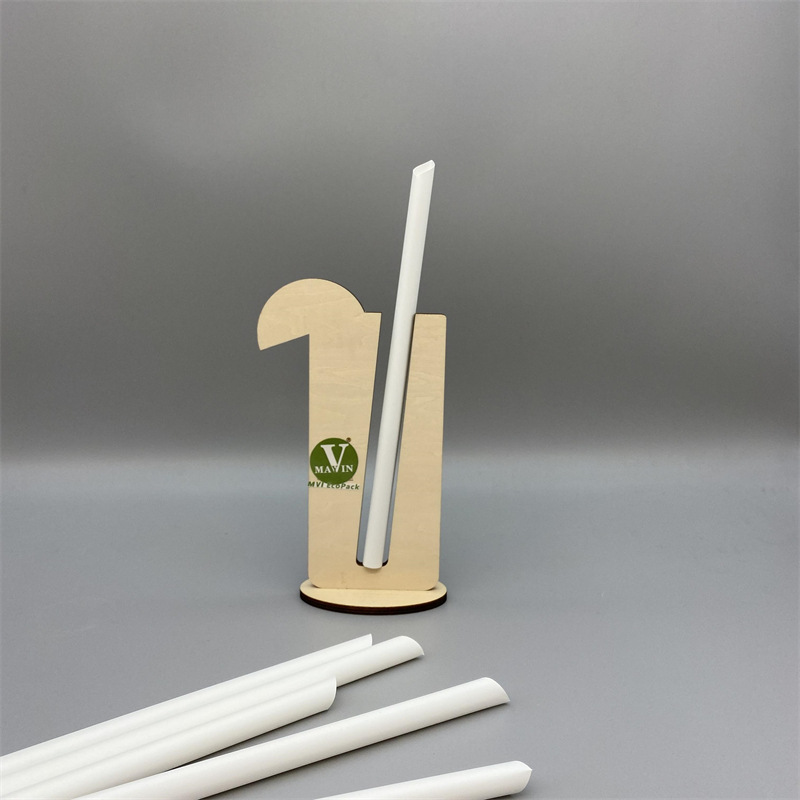
While paper coffee cups are vital, they represent just one component of a restaurant's disposable tableware strategy. To achieve true sustainability, foodservice businesses must adopt a holistic approach. This includes pairing recyclable cups with biodegradable wooden cutlery, sugarcane bagasse food containers, and bamboo drinking straws. By sourcing these items from a unified supplier like MVI ECOPACK, restaurants can optimize their supply chain logistics, reduce shipping emissions, and ensure consistent material quality across their entire packaging portfolio.
Transitioning to recyclable paper cups is not just about choosing a better material; it is about building a circular loop. Forward-thinking restaurant brands are establishing in-store collection points and partnering with local waste management firms to guarantee that their used cups actually return to the paper production cycle, closing the loop on paper packaging.
A Green Practitioner With Over 15 Years Of Dedication
MVI stands for May (Renewal) and Vision. Founded in Nanning, China in 2010, we are committed to making sustainable packaging an accessible and effortless choice for businesses worldwide. As your Lightweight Green Partner, we specialize in producing fully biodegradable and compostable tableware and food packaging from renewable materials like sugarcane bagasse, cornstarch, and wheat straw. All products meet international standards, including FDA and OK COMPOST. As a supplier to the 2012 London Olympics, we understand the demands of a global stage. Today, we leverage mature OEM/ODM capabilities and factory-direct efficiency to provide cost-effective, reliable, and compliant solutions for catering chains, supermarkets, brands, and traders across the globe. We believe true sustainability should be simple, high-quality, and within reach.
Our Vision: Making Green Packaging a Global Consensus
With 15 years in eco-packaging, we know your top needs: compliance, stable quality, and cost-effectiveness. That’s why we build "sustainable standardization" into every production step—breaking the "eco = expensive" myth. Now, our clients can easily get high-quality biodegradable tableware without overspending. We always believe that when biodegradable packaging becomes a business staple, it stops being a cost—it becomes a driver for long-term brand growth.
Our Value: Win-Win for Nature, You & Our Team
Honor Nature - Turn Waste into Eco-Gifts: Made from bagasse and wheat straw, our packaging naturally degrades in 90 days—cutting burning and carbon emissions for a cleaner planet.
For You - Eco Made Easy: Certified, factory-direct, and customizable. We solve your sustainability challenges, not add to your operational costs.
With Our Team - Belief Creates Quality: A team committed to better materials, lower energy use, and constant improvement. When we believe in "waste-to-value," quality comes naturally.
Our History & Milestones
2010
MVI ECOPACK was founded in Nanning, a famous green city in southwest China.
2012
Supplier of the London Olympic Games, showcasing our global supply capability.
2021
Named Made-in-China Honest Export Enterprise. Products exported to over 30 countries.
2022
Expanded to 65 sets of production equipment and 6 workshops to ensure faster delivery.
2023
Official tableware supplier for the 1st National Student Youth Games.
2025
Participated in the "Green Run CHINA · Carbon Footprint" public welfare run, practicing zero-plastic supply station concepts.
Our Exhibitions & Global Recognition
For over a decade, MVI ECOPACK has showcased its strength at major global trade shows, including the Canton Fair and the Hong Kong Mega Show—earning industry recognition and long-term trust from international clients.


Complete Range of Restaurant Disposable Tableware