


THE PROS AND CONS OF PAPER STRAWS:
A GAME BETWEEN ENVIRONMENTAL PROTECTION AND USER EXPERIENCE
Publisher: MVI ECO
2025/12/31
 Mvi’s paper straws in coffee shop
Nowadays, from fast-food chains to independent cafes, paper straws have become one of the most recognizable yet controversial symbols in the global plastic reduction movement. This seemingly tiny tube carries the global vision of reducing white pollution, but it has also sparked countless complaints about practicality. This transformation is not only the implementation of policy requirements but also reflects the joint exploration of the public and businesses towards green transition under the global environmental wave.
PART 01
A Century-Spanning Return
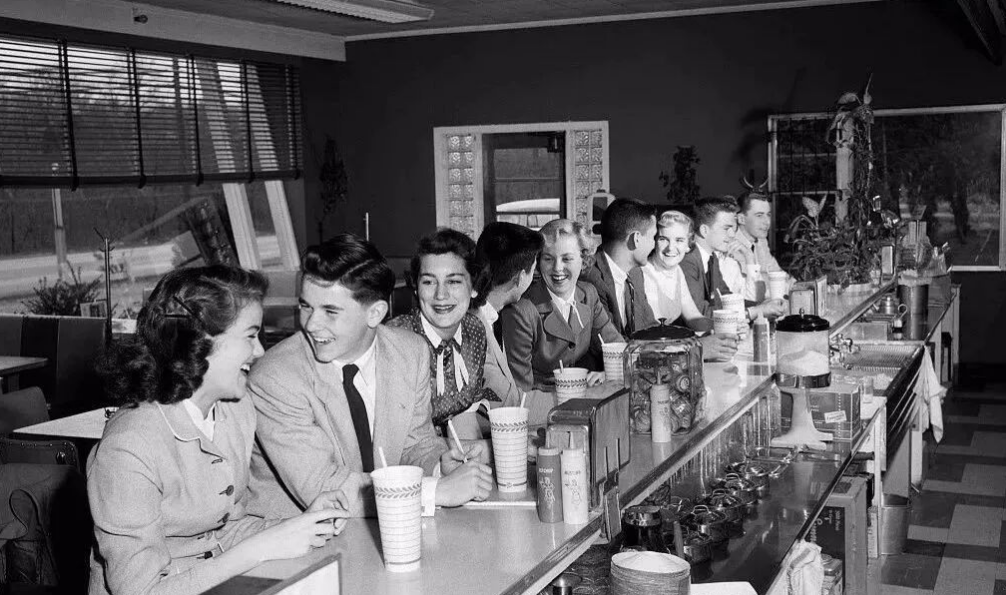
Paper straws at 19s century
Paper straws are not an overnight environmental invention. Their history is far longer than that of plastic straws. As early as 1888, Marvin Stone, an American cigarette merchant, drew inspiration from cigarette structures and made the first modern straw by coating paper with paraffin. Thanks to its hygienic and disposable characteristics, it was popular in restaurants and soda fountains for more than half a century.
It was not until the 1960s that cheap, durable, and mass-produced plastic straws completely revolutionized the market. The victory of plastic was a victory for industrial efficiency, but decades later, its environmental costs gradually became clear: according to data from the United Nations Environment Programme (UNEP), hundreds of billions of single-use plastic straws are used globally every year. They have become a typical representative of marine plastic pollution, causing direct harm to seabirds, sea turtles, and other creatures.
PAT 02
Pros: An Indispensable Answer to Environmental Protection
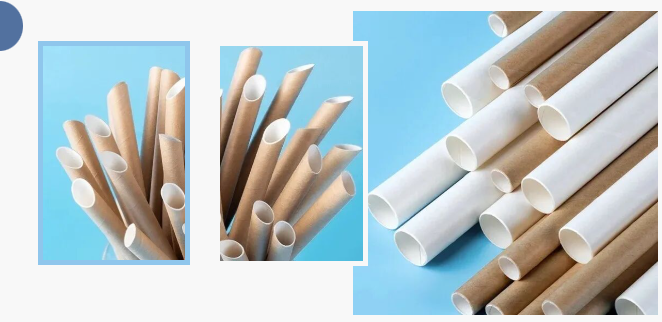
Paperstraws made from bagasse pulp
The environmental proposition of paper straws is simple and straightforward: their main component is wood pulp. Under ideal conditions in industrial composting facilities, they can be completely decomposed within a few months, returning to the natural cycle and avoiding environmental retention for hundreds of years. In recent years, the global anti-plastic campaign has intensified, and environmental issues caused by plastic pollution have received widespread attention, making paper straws return to the public eye again. For businesses that choose paper straws, this is not only a response to policy requirements but also a natural choice to comply with the improvement of consumers’ environmental awareness and convey the green temperature of the brand. Compared with plastic straws, paper straws can be recycled and completely decomposed after use, which can effectively reduce white pollution.
PART 03
Unavoidable Drawbacks: Drinking and Usage Troubles Caused by Paper Straws
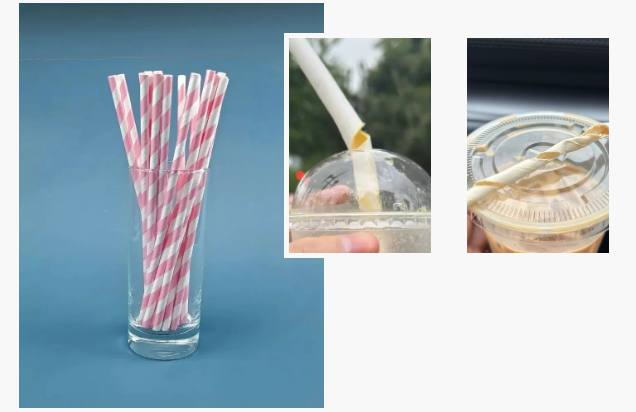
Soften paper straws
Social media is full of jokes: “You need to practice wrist strength before drinking milk tea, otherwise you can’t pierce the sealing film.” “Halfway through drinking, the straw melts first.” “Everything you drink has a faint cardboard taste.” Consumers’ complaints point out the common problems of paper straws: “It goes soft as you drink, and disappears as you bite.”
- High cost
- When drinking hot drinks in winter, the straw is easy to melt in the cup
- The sharp end at the bottom is blunt, making it difficult to pierce the seal
- High requirements for storage environment
- Every drink tastes like eating paper
- ……
The existence of these problems has put many businesses in a dilemma: insisting on using paper straws means bearing higher costs and the risk of consumer complaints; abandoning paper straws means violating environmental policies and the brand’s green positioning. At this time, choosing an alternative product with both environmental attributes and practical performance, as well as a reliable supplier, has become the key to solving the problem.
PART 04
Doubts from the White House: A Failed Design in the Name of Environmental Protection
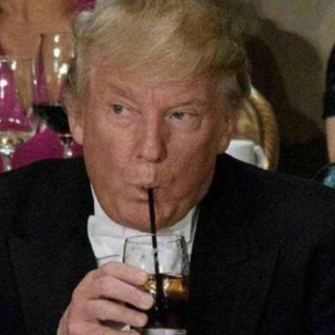
In February 2025, former US President Trump signed an executive order requiring government agencies to immediately stop purchasing paper straws and called for the nationwide cancellation of paper straws. His reason was that paper straws are “useless”—they break, “explode”, soften when exposed to heat, and “may only have a lifespan of a few seconds”. He also publicly criticized them as “a failed design in the name of environmental protection“.
This decision directly overturned the “comprehensive plastic reduction” strategy formulated by Biden in July 2024, which originally planned to gradually reduce single-use plastics from the federal government and then promote it nationwide.
This was the first time the White House officially acknowledged the seriousness of plastic pollution, but Trump chose to “swim against the tide”.
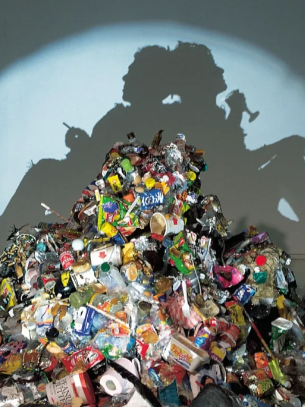
But the question is, is plastic pollution really not a problem?
Global plastic production has increased nearly 230 times from 1950 to 2019, with an annual output exceeding 400 million tons, of which about 40% are single-use plastics.On the planet we depend on for survival, plastic waste equivalent to a garbage truck is dumped into the ocean every minute. Scientists have found plastic residues in birds, fish, and even in human blood, tissues, and brains.
If Trump’s reason for hating paper straws is that “sharks won’t get stuck with plastic straws because they swallow them directly”, then what about humans?
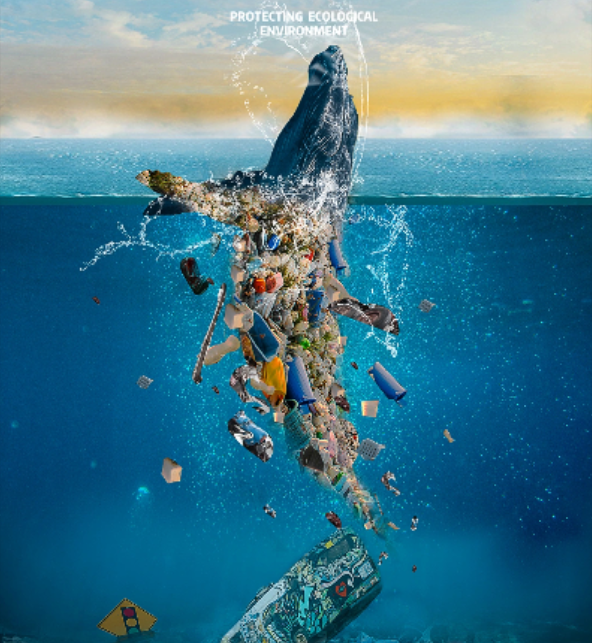
Can we really turn a blind eye to the plastic crisis like sharks?
PART 05
Paper Straws May Not Be the Perfect Answer, But Would Returning to the Plastic Era Be Better?
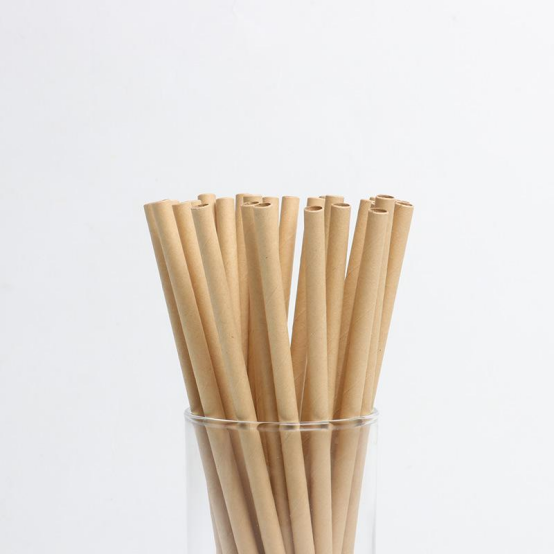
Despite the controversy surrounding paper straws, the cost of returning to the plastic era is undoubtedly heavy:
Global plastic production has increased by about 230 times since 1950, with an annual output exceeding 460 million tons.
Every minute, plastic equivalent to a garbage truck is dumped into the ocean.
Microplastic pollution is everywhere. It has been detected from the deepest trenches to the highest mountain peaks, and from marine organisms to human blood and organ tissues.
PART 06
Environmental protection should not be a synonym for compromising experience!
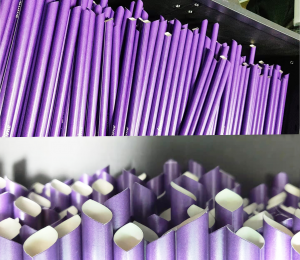
Mvi‘s paper straws with biodegradable waterproof coatings
MVI Ecopack adopts safe and fully biodegradable waterproof coatings (such as coatings based on plant polymers) to significantly improve the durability and taste of paper straws. Its core is to adhere to food safety and true compostability (certified by authoritative organizations such as BPI, DIN CERTCO, and TÜV OK compost).
Truly Achieve Coexistence of Environmental Protection and Experience:
✅ Resistant to soaking and non-softening: Special environmental protection coating keeps the straw firm even after long-term use
✅ Suitable for hot and cold drinks: Maintains a stable structure whether it is iced coffee, iced juice, or hot tea, hot milk tea, without affecting the taste;
✅ No additional odor: Allows every sip of drink to retain its pure flavor;
✅ Fully biodegradable: Complies with international environmental standards, can be quickly degraded in the natural environment without pollution.
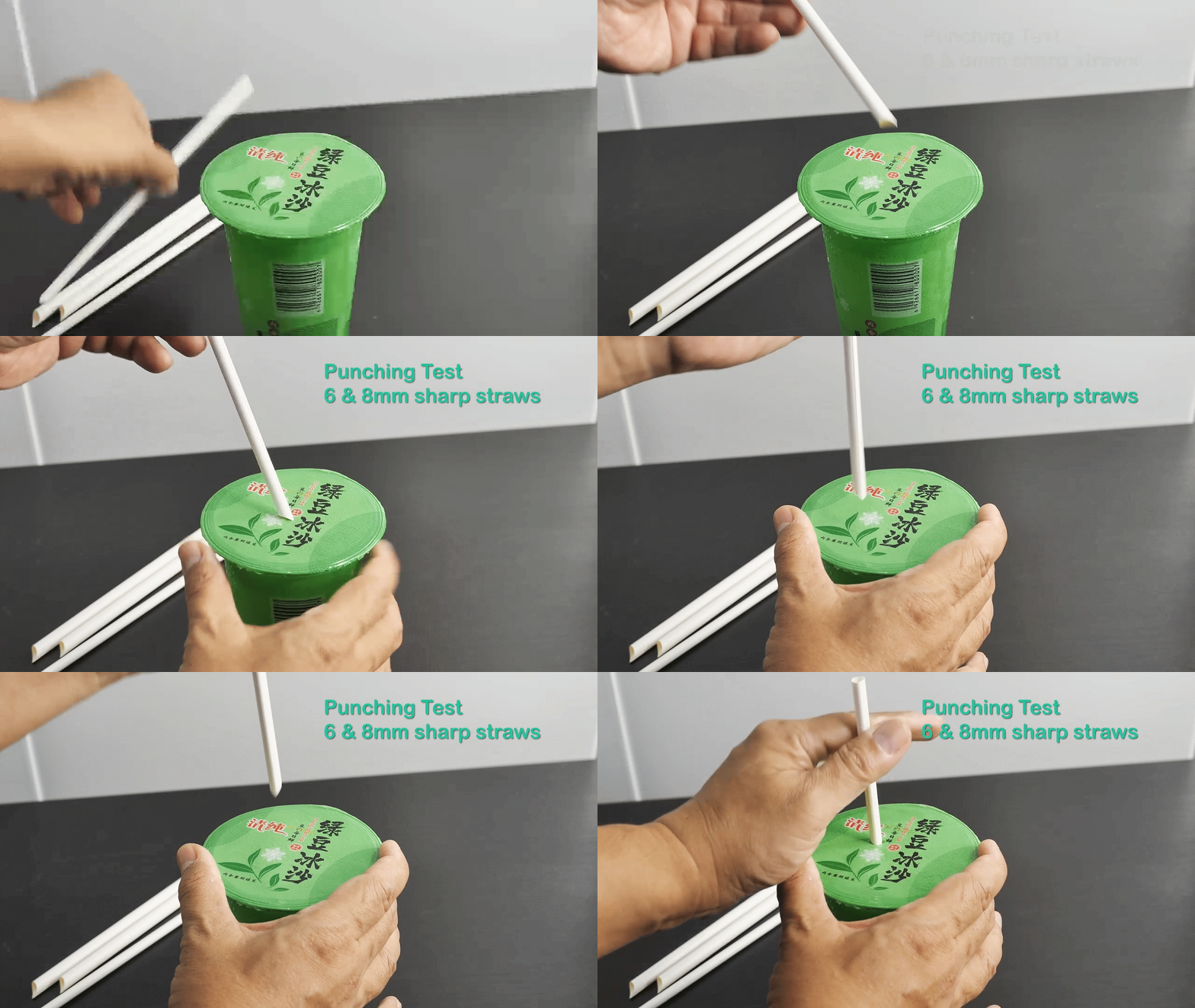
Make environmental protection easy and effortless, and make every drinking experience full of comfort and peace of mind!
We hope that every product has undergone rigorous tests, which can not only meet the usage needs but also truly bring changes to the earth.
Environmental protection is not a restriction, but an upgrade. Perhaps we should shift our focus from the expectation of a “perfect alternative” to the recognition of the continuous improvement process.
-The End-

Web: www.mviecopack.com
Email:orders@mvi-ecopack.com
Telephone: 0771-3182966


