


IS BAGASSE TABLEWARE SAFE FOR KIDS? EVERY PARENTS SHOULD KNOW THESE.
Publisher: MVI ECO
2026/1/30
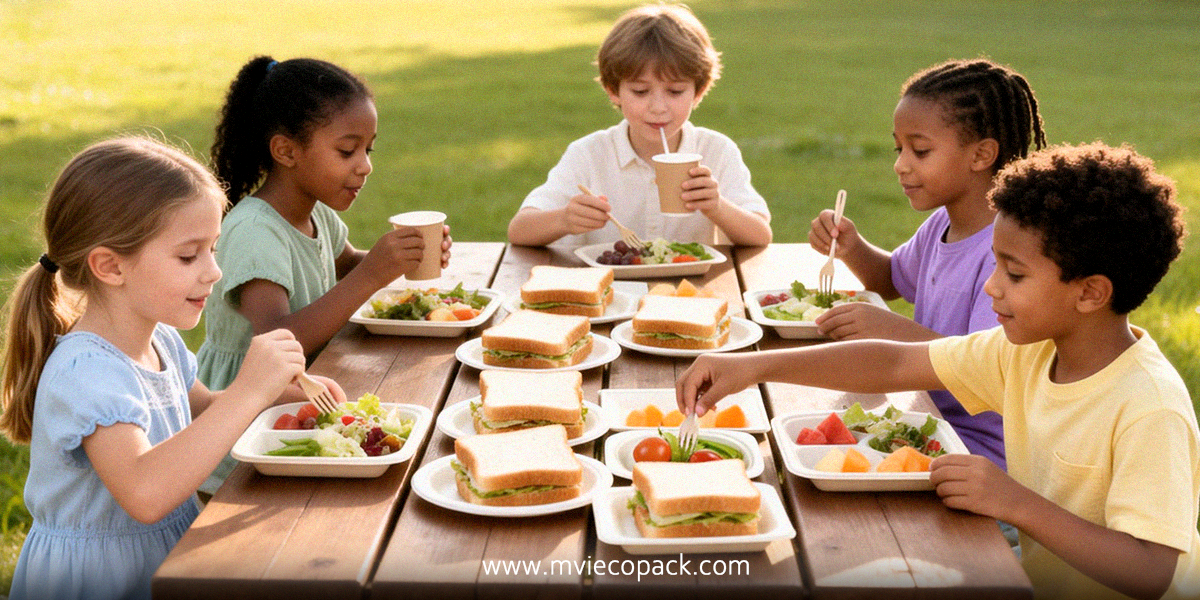
You care about what goes on your child’s plate—but have you thought about what the plate itself is made of?
If you’ve been researching eco-friendly alternatives to plastic dinnerware, you’ve probably come across bagasse tableware. It sounds promising: made from sugarcane, biodegradable, chemical-free. But here’s the real question every parent asks: Is bagasse tableware safe for kids?
The short answer? Yes—when you choose quality products with proper certifications.
But let’s dig deeper. You deserve to know exactly what makes bagasse tableware safe, what to look for when buying, and whether it truly lives up to the eco-friendly claims. This guide gives you the facts you need to make confident choices for your family.
Table of Contents |
|
1.What Exactly Is Bagasse Tableware? 2.Why Chemical Safety Matters More for Children 3.Is Bagasse Tableware Safe for Kids? The Evidence Says Yes 4.Myth-Busting: Common Concerns About Bagasse Safety 5.How to Choose Safe Bagasse Tableware for Your Kids 6.How is the bagasse tableware actually form? 7.The Environmental Benefit Your Children Will Inherit 8.Making the Switch: A Practical Family Plan 9.Frequently Asked Questions 10.The Bottom Line: Yes, Bagasse Tableware Is Safe for Kids 11.My Recommendation |
What Exactly Is Bagasse Tableware?
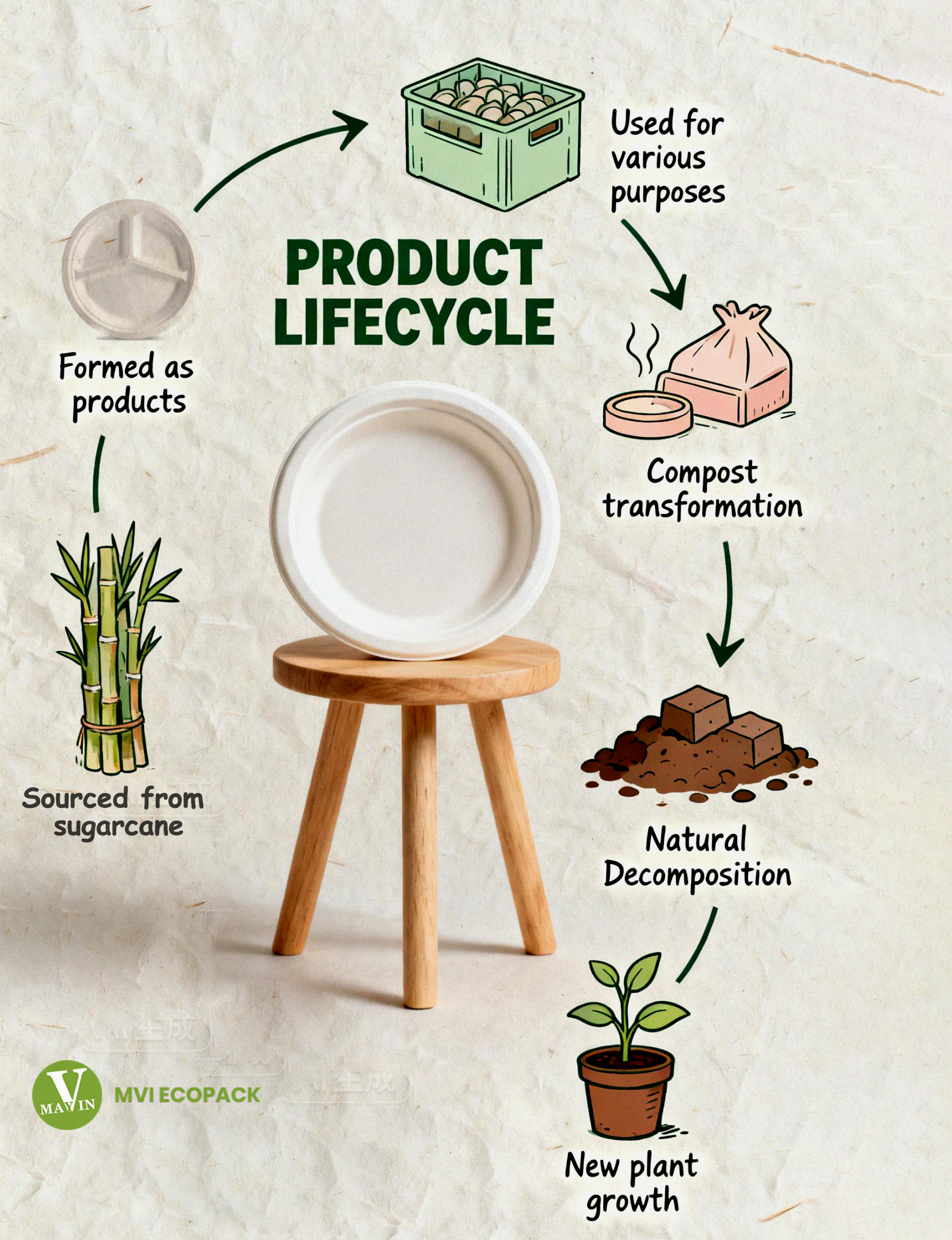
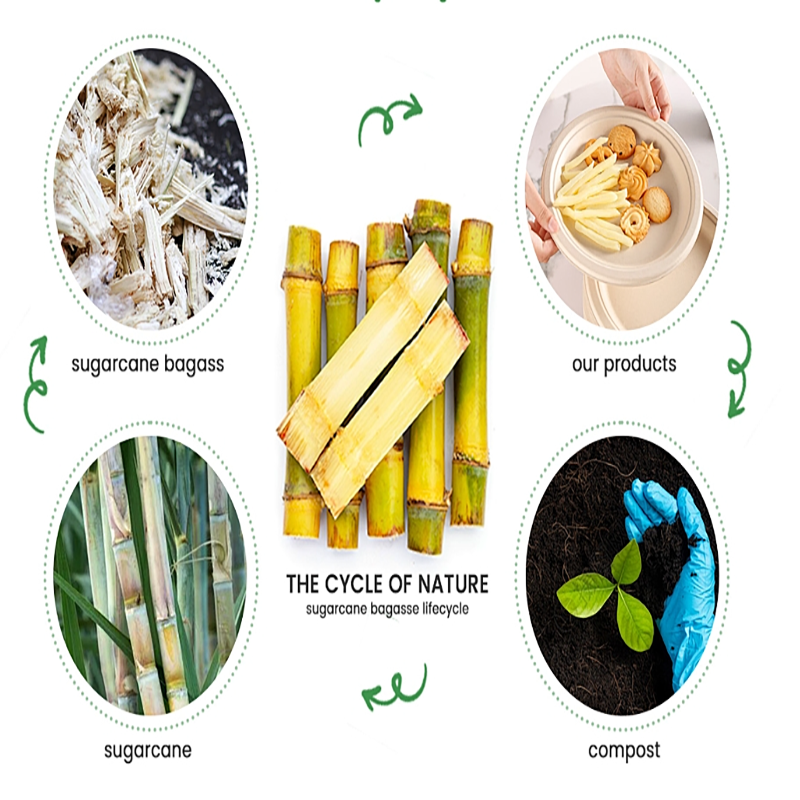
Bagasse is the fibrous material left behind after sugarcane juice is extracted for sugar production. Instead of being wasted or burned (which creates pollution), this agricultural byproduct gets transformed into sturdy, biodegradable plates, bowls, cups, and containers.
Here’s how it works:
The leftover sugarcane fibers are collected, cleaned, pulped into a moldable material, then shaped under heat and pressure into various tableware forms. The result? Durable, plant-based products that can replace plastic and styrofoam disposables without the harmful chemicals.
What makes bagasse particularly important for families is what it doesn’t contain. Unlike conventional plastic tableware that can leach chemicals into food, properly manufactured bagasse products are free from the synthetic substances that raise serious health concerns for growing children.
Why Chemical Safety Matters More for Children
Children aren’t just smaller versions of adults—they face unique vulnerabilities when it comes to chemical exposure:
- Faster metabolic rates relative to body size
- Greater food and water consumption per pound of body weight
- Still-developing bodies more susceptible to hormone disruption
- Hand-to-mouth behavior that increases contact with materials
This is why the chemicals in conventional tableware pose real risks, especially two big ones: BPA and PFAS.
The BPA Problem
BPA (Bisphenol A) is used in certain plastics to create hardness and clarity. Research has linked it to endocrine disruption—meaning it interferes with normal hormone function. The concern is serious enough that the FDA banned BPA from baby bottles and sippy cups under federal regulations, recognizing how vulnerable young children are.
The PFAS Threat
PFAS (per- and polyfluoroalkyl substances) are “forever chemicals” sometimes added to disposable tableware to make them grease-resistant. These substances don’t break down in the environment and accumulate in the human body over time. Multiple states have banned PFAS in food packaging precisely because of these health concerns.
Here’s what this means for you: Every meal served on plastic or chemically-treated tableware represents potential exposure to substances that could affect your child’s development.
Is Bagasse Tableware Safe for Kids? The Evidence Says Yes
When you choose certified bagasse tableware, you’re choosing a fundamentally safer option. Here’s why:
1. Zero BPA—By Nature, Not by Removal
Bagasse tableware contains absolutely no BPA. Not because manufacturers “removed” it, but because BPA only exists in plastic synthesis. Since bagasse is compressed plant fiber—not synthesized plastic—BPA never enters the production process.
Think of it this way: You can’t remove motor oil from a cotton t-shirt because motor oil was never part of making the shirt. Similarly, BPA was never part of making bagasse products because you’re not creating plastic polymers—you’re molding natural plant fibers.
According to FDA food contact material regulations (21 CFR 176.170), bagasse falls into the category of cellulosic fibers that don’t require the chemical additives used in plastic manufacturing.
2. PFAS-Free When Properly Manufactured
Quality bagasse tableware is manufactured without PFAS coatings. The natural fibers have inherent grease resistance when properly processed, eliminating the need for chemical treatments.
Important: Not all manufacturers follow this practice. Look for products explicitly labeled “PFAS-free” and certified under standards like ASTM D6400 or EN13432.
3. Heat-Safe for Everyday Family Meals
Bagasse tableware can withstand temperatures up to 220°F (104°C) without structural breakdown or chemical leaching.
What does this mean in practice? You can:
- Microwave your child’s leftovers for 2-3 minutes without worry
- Serve hot pizza, pasta, or grilled foods safely
- Reheat snacks without chemicals migrating into food
Unlike some plastics that warp or release chemicals when heated, bagasse maintains its integrity. Multiple manufacturers confirm their products are microwave-safe for short heating periods—perfect for busy family life.
4. No Harmful Additives in Quality Products
Properly manufactured bagasse tableware requires no synthetic binders, bleaches, or chemical coatings. The natural lignin in sugarcane fibers acts as a binding agent during molding, holding the material together without additional chemicals.
Independent laboratory testing confirms that certified bagasse products show:
- No detectable heavy metals (lead, cadmium, arsenic, mercury)
- No formaldehyde (unlike some bamboo fiber products)
- No chlorine bleach residues
Third-party testing under EU standards and FDA food contact regulations provides verification that these products meet strict safety thresholds.
Myth-Busting: Common Concerns About Bagasse Safety
Myth: “Bagasse products might contain hidden chemicals”
Truth: Quality bagasse is made from natural plant fibers without toxic chemicals or additives. The key is choosing certified products from reputable manufacturers who provide transparent testing documentation.
Myth: “It’s not safe for hot foods because it might leach chemicals”
Truth: Bagasse tableware is heat-resistant up to 220°F and doesn’t leach harmful substances when properly manufactured. Unlike plastic that can release chemicals when heated, bagasse remains stable at food-serving temperatures.
Myth: “The fibers could irritate my child’s skin or mouth”
Truth: Properly manufactured bagasse has a smooth surface texture. While it’s not intended as a chew toy, if your toddler gnaws on the edge (as toddlers do), the natural plant fibers are non-toxic and will soften with saliva, similar to paper.
Myth: “All eco-friendly products are automatically safe”
Truth: Not all bagasse is created equal. Some manufacturers cut corners with chemical coatings or additives. This is why certifications matter—they verify products meet safety standards through independent testing.
How to Choose Safe Bagasse Tableware for Your Kids
Not all bagasse products are created equal. Here’s your practical buying guide:
Look for These Essential Certifications
✓ FDA Food Contact Compliance - Confirms the product meets U.S. standards for materials that touch food
✓ PFAS-Free Certification - Explicitly states no “forever chemicals” were used
✓ Compostable Certification (ASTM D6400 or EN13432) – Verifies safe breakdown without toxic residues
✓ BPA-Free Statement - While bagasse is inherently BPA-free, trustworthy brands clearly state this
Check Physical Quality Indicators
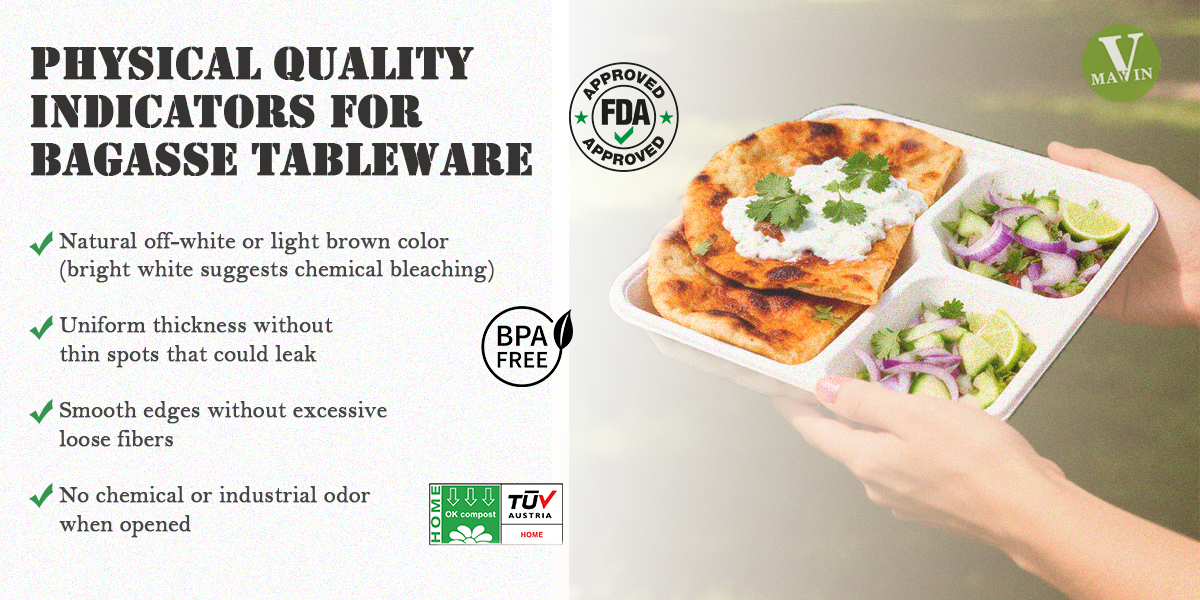
Quality bagasse tableware should have:
Natural off-white or light brown color (bright white suggests chemical bleaching)
Uniform thickness without thin spots that could leak
Smooth edges without excessive loose fibers
No chemical or industrial odor when opened
Verify Manufacturer Transparency
Trustworthy manufacturers provide:
- Clear material sourcing information
- Available third-party test reports
- Batch or lot numbers for traceability
- Specific usage guidelines including temperature limits
Red Flags to Avoid
✗ Suspiciously low pricing (quality has a cost)
✗ Chemical smell when you open the package
✗ Excessive whiteness (indicates bleaching)
✗ No manufacturer information
✗ Claims of being “oven-safe” or “reusable” (exaggerated capabilities)
How is the bagasse tableware actually form?
Beyond safety, bagasse tableware needs to actually work for messy family meals.
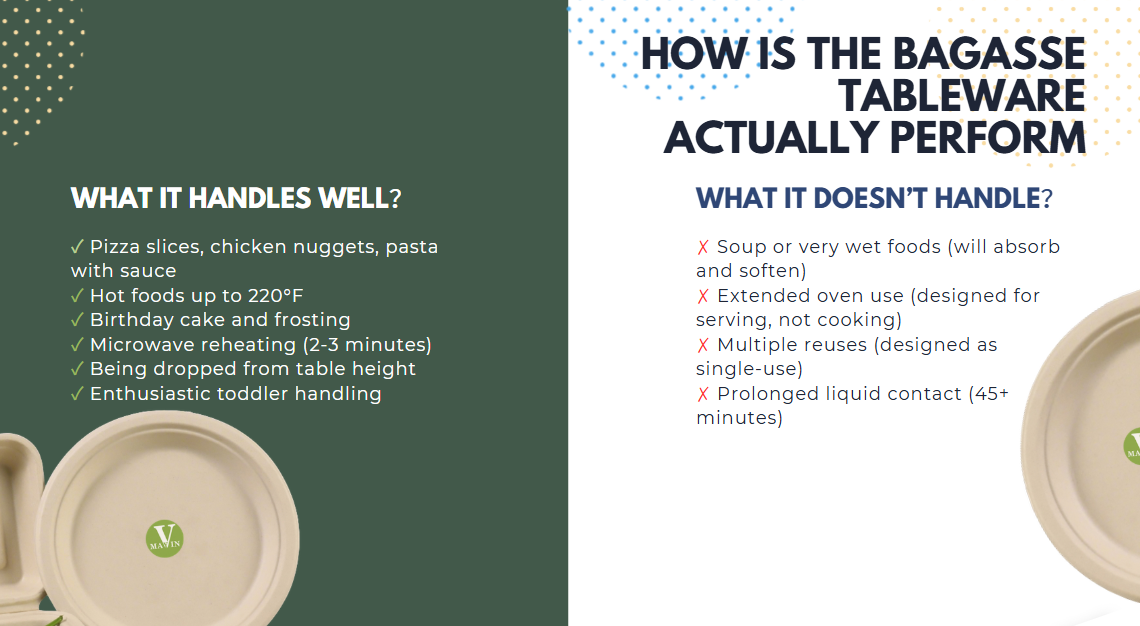
What It Handles Well
✓ Pizza slices, chicken nuggets, pasta with sauce
✓ Hot foods up to 220°F
✓ Birthday cake and frosting
✓ Microwave reheating (2-3 minutes)
✓ Being dropped from table height
✓ Enthusiastic toddler handling
What It Doesn’t Handle
✗ Soup or very wet foods (will absorb and soften)
✗ Extended oven use (designed for serving, not cooking)
✗ Multiple reuses (designed as single-use)
✗ Prolonged liquid contact (45+ minutes)
Parents report these plates withstand typical kid chaos—poked with forks, loaded with food, occasionally dropped—without the sogginess of paper plates or chemical concerns of plastic.
The Environmental Benefit Your Children Will Inherit
Choosing bagasse tableware safe for kids isn’t just about today’s meal—it’s about tomorrow’s world.
Consider these facts:
- Plastic plates take 450+ years to decompose
- Bagasse plates break down in 60-90 days in composting facilities
- Every plastic plate from your child’s birthday party will outlive them, their children, and their grandchildren
- Microplastics from degrading plastic have been found in human blood, placentas, and throughout our environment
By choosing compostable alternatives, you’re reducing the microplastic burden your children will face in their lifetime. It’s one area where the healthier choice for your child’s body today is also the better choice for their environment tomorrow.
Making the Switch: A Practical Family Plan
Ready to try bagasse tableware? Here’s a realistic approach:
Phase 1: Test First
Purchase a small package (25-50 pieces) from a certified manufacturer. Use them for one family meal per week to test performance with your typical foods. See how they handle different temperatures and food types before buying in bulk.
Phase 2: Strategic Use
Use bagasse tableware for situations where it makes sense:
- Birthday parties and celebrations
- Picnics and outdoor meals
- School lunches (if your school composts)
- Large gatherings where washing dishes isn’t practical
For daily home meals, regular dishes remain the most sustainable choice.
Phase 3: Proper Disposal
If you have composting access: Break plates into smaller pieces and add to your compost bin. They’ll fully decompose in 60-90 days.
If using regular trash: They’ll still decompose faster than plastic in landfills, though this doesn’t achieve their full environmental benefit.
Never: Put in recycling (contaminates paper streams) or burn (defeats the environmental purpose).
Frequently Asked Questions
1.Can my toddler safely chew on a bagasse plate?
While not designed as a toy, if your toddler gnaws on the edge, it won’t harm them. The non-toxic plant fibers will soften with saliva. That said, always supervise young children during meals to prevent choking hazards from any broken pieces.
2.Are all bagasse products microwave-safe?
Most quality bagasse tableware is microwave-safe for short periods (2-3 minutes for reheating). However, always check the manufacturer’s guidelines. Overheating can dry out the material, though it won’t release harmful chemicals.
3.How can I tell if bagasse tableware has harmful coatings?
Look for explicit “PFAS-free” certification. Check for natural off-white color (excessive whiteness suggests chemical treatment). Open the package and smell—any chemical odor is a red flag. Choose brands that provide third-party testing documentation.
4.Is bagasse safe for babies starting solid foods?
Yes, certified bagasse tableware is safe for baby-led weaning and first foods. Divided bagasse plates work particularly well—heat-safe, chemical-free, and the compartments help with portion control and food exploration.
5.What if my child has a sugarcane allergy?
Sugarcane fiber allergies are extremely rare. However, if your child has a documented cane sugar allergy, consult your pediatrician before using bagasse products.
The Bottom Line: Yes, Bagasse Tableware Is Safe for Kids
After examining the manufacturing process, reviewing official safety standards, and understanding real-world performance, the conclusion is clear:
Properly certified bagasse tableware is safe for children.
These products contain:
- Zero BPA (not synthesized plastic, so BPA never enters the equation)
- No PFAS (when properly manufactured and certified)
- No harmful additives (natural plant fibers with no synthetic chemicals)
- Heat stability for safe food serving and reheating
They meet FDA food contact safety standards and are third-party tested for harmful substances.
My Recommendation
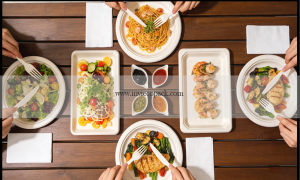
For families concerned about both immediate health impacts and long-term environmental legacy: bagasse plates represent one of the safest and most responsible options available in the disposable tableware market.
They’re not perfect. Nothing is. But they successfully address the primary safety concerns (chemical exposure, structural hazards) while also reducing environmental burden.
Bagasse plates work. They’re safe. And they’re available now—which matters when you need to make a decision about next week’s birthday party, not a theoretical future.
|
Want to Achieve Zero Waste for Your Food Service Business? Our professional eco-team offers consulting services to help you develop a comprehensive compostable packaging solution, including home compostable tableware options. Contact us to align your business with sustainable practices and achieve your zero-waste goals together. |

-The End-
|
|
Related Articles:
CAN YOU REALLY HAVE A HAND-FREE, ZERO-WASTE KITCHEN?THE TRUTH ABOUT TRULY COMPOSTABLE PLATE
Sturdy & Truly Compostable? Your Guide to Choosing Bagasse Straws & Dodging Greenwashing
Why Sustainable Bagasse Packaging Is the Future of Food Delivery Industry?

Web: www.mviecopack.com
Email:orders@mvi-ecopack.com
Telephone: 0771-3182966


