


DEEP DIVE FOR THE 2026 ANTIMONY IN FOOD PACKAGE |
YOUR PLASTIC FOOD PACKAGE JUST GOT A LOT SCARIER
Publisher: MVI ECO
2026/1/30
Table of Contents |
|
1.What Is Antimony and Why Is It in Your Food Package? 2.The Numbers Are Alarming 3.The Health Risks Are Real 4.When Plastic Gets Dangerous 5.Why Bagasse Changes Everything 6.The Industry Won’t Save You 7.The Industry Won’t Save You 8.Vote With Your Wallet |
On January 22, 2026, researchers dropped a bombshell that should change how you think about plastic bottles forever.
A comprehensive study published in the Journal of the Endocrine Society revealed something the plastics industry hasn’t been eager to discuss: antimony, a probable carcinogen used in making PET plastic, is leaching into your food and drinks—and it’s linked to obesity, diabetes, and heart disease.
If you’ve been on the fence about switching to eco-friendly alternatives, this research just made the decision for you.
What Is Antimony and Why Is It in Your Food Package?
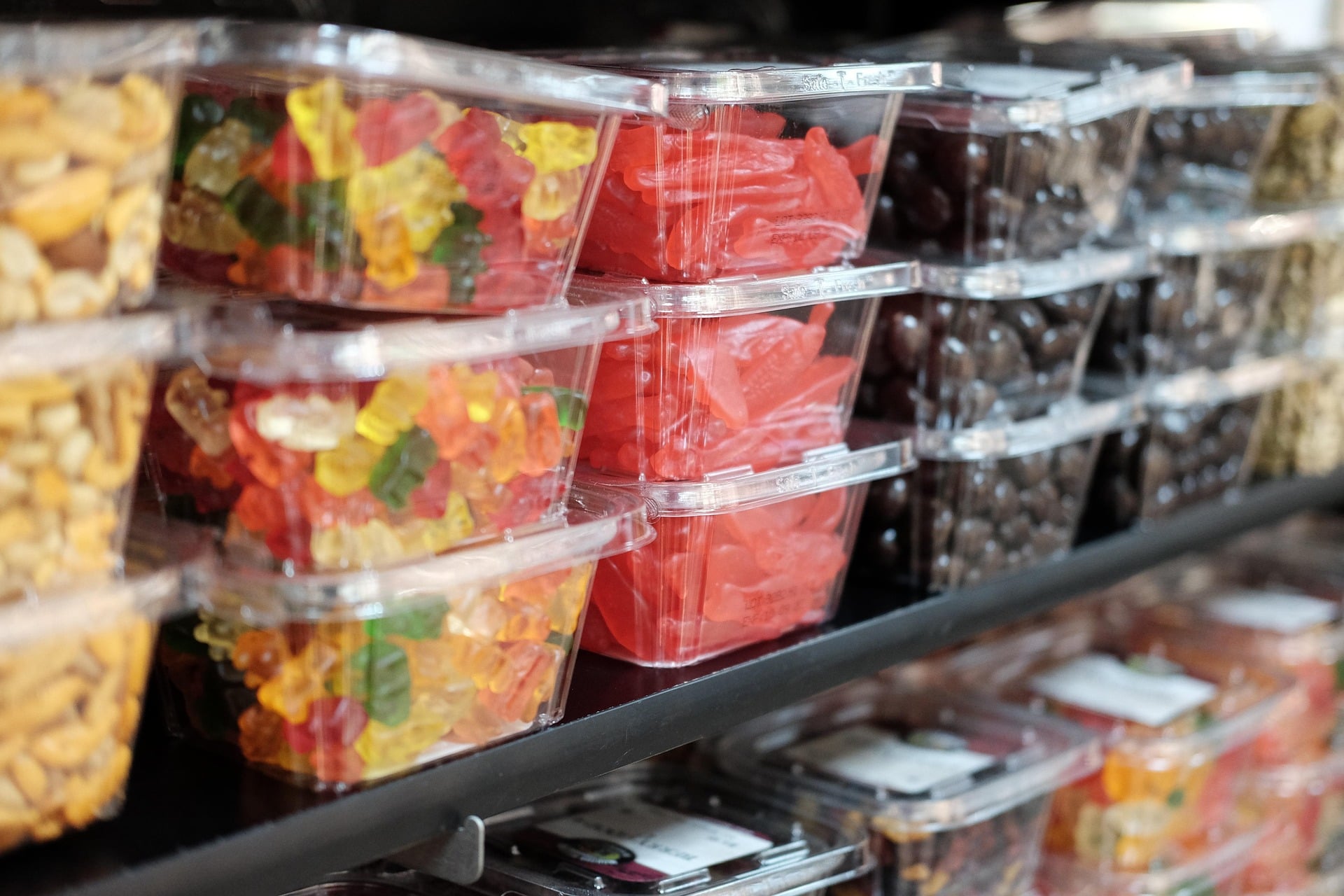
Antimony is a heavy metal-like element used as a catalyst to manufacture PET plastic—the clear plastic in water bottles, food containers, and soda bottles. It speeds up the chemical reaction that creates plastic. Simple enough.
Here’s the problem: antimony doesn’t disappear after manufacturing. It stays in the plastic and migrates into whatever you’re eating or drinking.
The World Health Organization classifies antimony as a probable human carcinogen. Yet it’s in nearly every plastic bottle you’ve ever touched.
The Numbers Are Alarming
The 2026 study analyzed data from over 10,000 Americans and reviewed 40+ scientific studies on antimony migration. Here’s what they found:
- PET bottles contain 100-400 mg/kg of antimony
- Migration increases dramatically with heat and acidity
- Plastic packaging is the highest source of antimony exposure
- Children face the greatest risk due to faster metabolism and higher consumption relative to body weight
One particularly disturbing finding: bottles stored at 140°F for just 48 hours saw antimony levels jump from 0.2 μg/L to 9.7 μg/L—nearly double the EPA safety limit.
Translation? That water bottle you left in your hot car all afternoon isn’t just warm—it’s potentially toxic.
The Health Risks Are Real
Researchers didn’t mince words. After analyzing 85 articles on antimony and health outcomes, they concluded:
“Mounting data link antimony to adverse cardiometabolic health.”
What does that actually mean?
- Obesity: Antimony disrupts how your body processes food and regulates energy
- Diabetes: Associated with blood sugar regulation problems
- Liver disease: Impacts liver function and metabolism
- Cardiovascular disease: Linked to heart and circulatory system damage
The study calls antimony a “cryptic metabolism disruptor”—it quietly interferes with critical body functions without you even knowing.
When Plastic Gets Dangerous
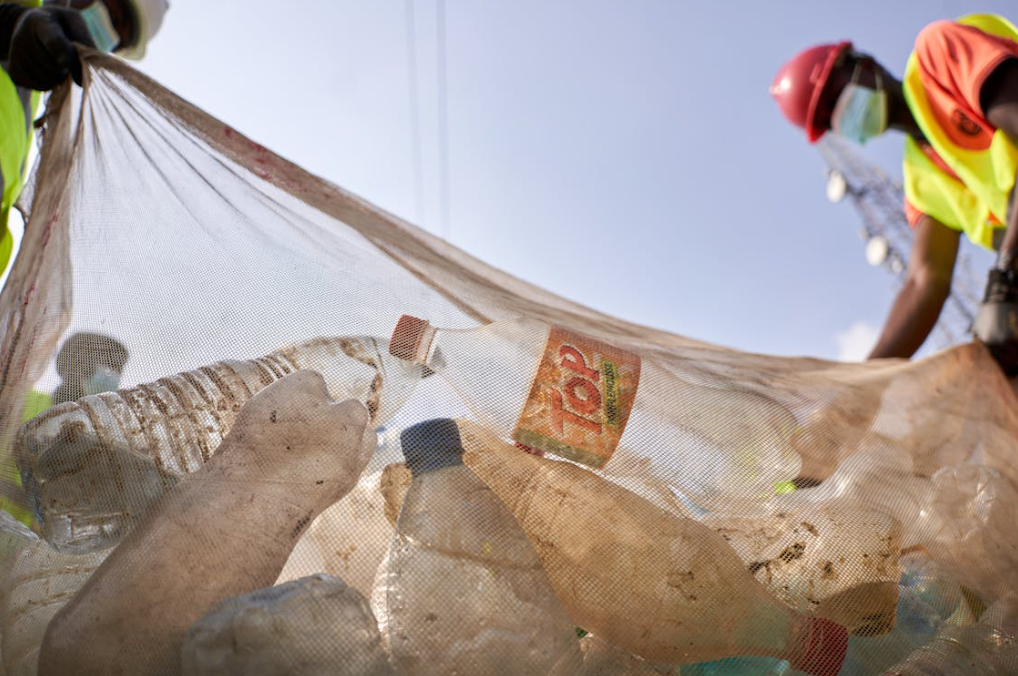
Here’s where it gets practical. Antimony migration isn’t constant—it accelerates under specific conditions you encounter every day:
Temperature: Hot car storage, microwave reheating, or hot beverages make plastic release more antimony. That coffee in a plastic cup? Bad idea.
Acidity: Juices, sodas, carbonated drinks, and acidic foods speed up chemical leaching. Lemonade in a plastic bottle is a worst-case scenario.
Time: The longer liquid sits in plastic, the more antimony migrates. That bottled water you’ve been sipping for three days? It’s getting worse by the hour.
Reuse: Every wash, scratch, and reuse degrades the plastic further, increasing migration. Stop refilling disposable bottles.
Why Bagasse Changes Everything

Here’s where the research gets interesting for anyone looking at eco-friendly alternatives.
The 2026 study specifically compared antimony migration across different materials:
- Highest migration: Plastic (PET)
- Notable migration: Ceramics and crystalware
- Lowest migration: Paper, metal, and glassware
Bagasse—made from sugarcane fiber—falls into that safest category. Here’s why:
No Chemical Catalysts
Unlike PET, which requires antimony to manufacture, bagasse is made by molding plant fibers through heat and pressure. No heavy metals, no catalysts, no chemical synthesis.
No Migration Pathway
You can’t leach what isn’t there. Independent testing shows zero detectable antimony, lead, cadmium, or other heavy metals in quality bagasse products.
Heat Stable Without Risk
Bagasse handles temperatures up to 220°F without chemical leaching. PET becomes more dangerous when heated. Bagasse stays safe.
This isn’t marketing—it’s material science. Different manufacturing process, different safety profile.
What You Should Do Today
Switching away from plastic doesn’t mean sacrificing convenience. Here’s your action plan:
Immediate Changes
1. Stop Reusing Plastic Bottles
Every reuse increases risk. If it’s disposable, dispose of it.
2. Never Heat Food in Plastic
Microwave in glass or ceramic only. Non-negotiable.
3. Get Plastic Out of Your Car
Hot cars turn plastic bottles into chemical soup. Switch to stainless steel water bottles.
4. Check Your Kids’ Lunch Boxes
Children face higher risks. Replace plastic containers with glass or stainless steel.
Smart Alternatives
For Reusable:
- Glass or stainless steel water bottles ($15-40)
- Glass food storage containers with safe lids
- Stainless steel lunch boxes for kids
For Disposable:
- Bagasse plates and bowls for parties and events
- Plant-based containers for takeout and gatherings
- Paper-based packaging instead of plastic
Cost Reality: Quality bagasse plates cost about $0.20-0.30 each versus $0.08-0.15 for plastic. For a typical family hosting 4 events per year, that’s a $15-20 annual difference.
Worth it to avoid a probable carcinogen linked to diabetes and heart disease? Absolutely.
The Industry Won’t Save You
Here’s what frustrates me: the plastics industry has known about antimony migration for decades.
The 2026 researchers are calling for antimony to be replaced in PET production. Safer alternatives exist and are economically viable. But manufacturers won’t switch without pressure.
The plastics lobby continues claiming antimony levels are “negligible.” But when you add up exposure from bottles, food containers, polyester clothing, and household items, the picture changes dramatically.
We’re not talking about one plastic bottle. We’re talking about cumulative exposure from dozens of plastic touchpoints every single day.
Vote With Your Wallet
Until regulations catch up, consumer demand is the only lever for change.
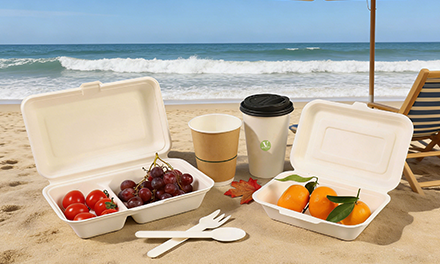
When you choose bagasse over plastic, you’re sending a market signal. When you buy glass instead of PLASTIC bottles, you’re voting for health over convenience.
The transition isn’t about perfection—it’s about reduction:
- Replace your most-used plastic items first
- Choose plant-based disposables when needed
- Support brands prioritizing safety over cost
- Talk to other parents about the research
Every small change reduces exposure. Every purchase decision matters.
|
Want to Achieve Zero Waste for Your Food Service Business? Our professional eco-team offers consulting services to help you develop a comprehensive compostable packaging solution, including home compostable tableware options. Contact us to align your business with sustainable practices and achieve your zero-waste goals together. |

Related Articles:
2026 EU PPWR Deep Dive: How the New Regulation Reshapes the Sustainability Industry
-The End-

Web: www.mviecopack.com
Email:orders@mvi-ecopack.com
Telephone: 0771-3182966


