+86 15177781985
 orders@mvi-ecopack.com


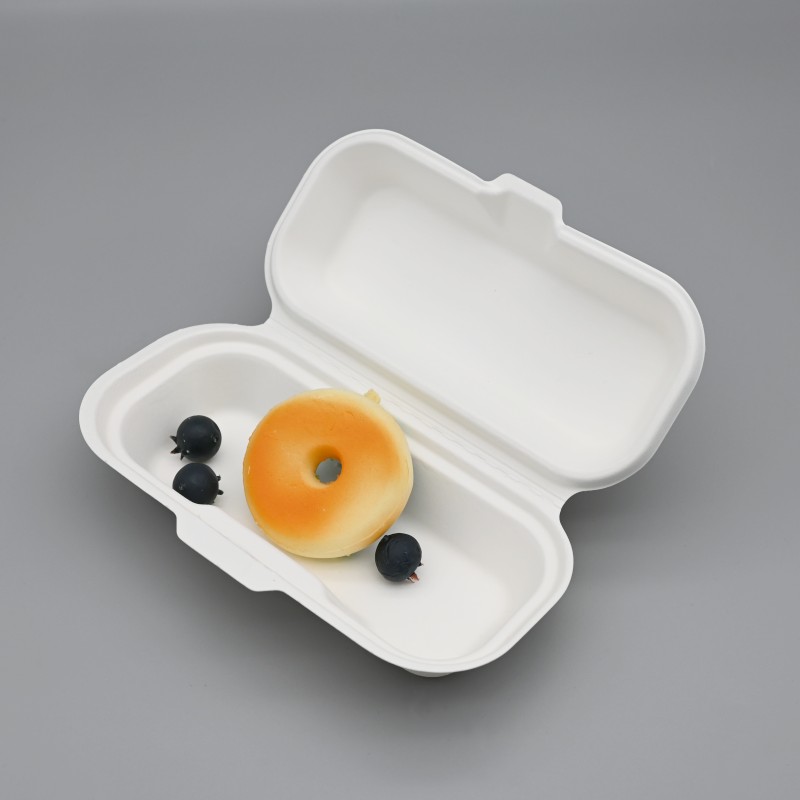
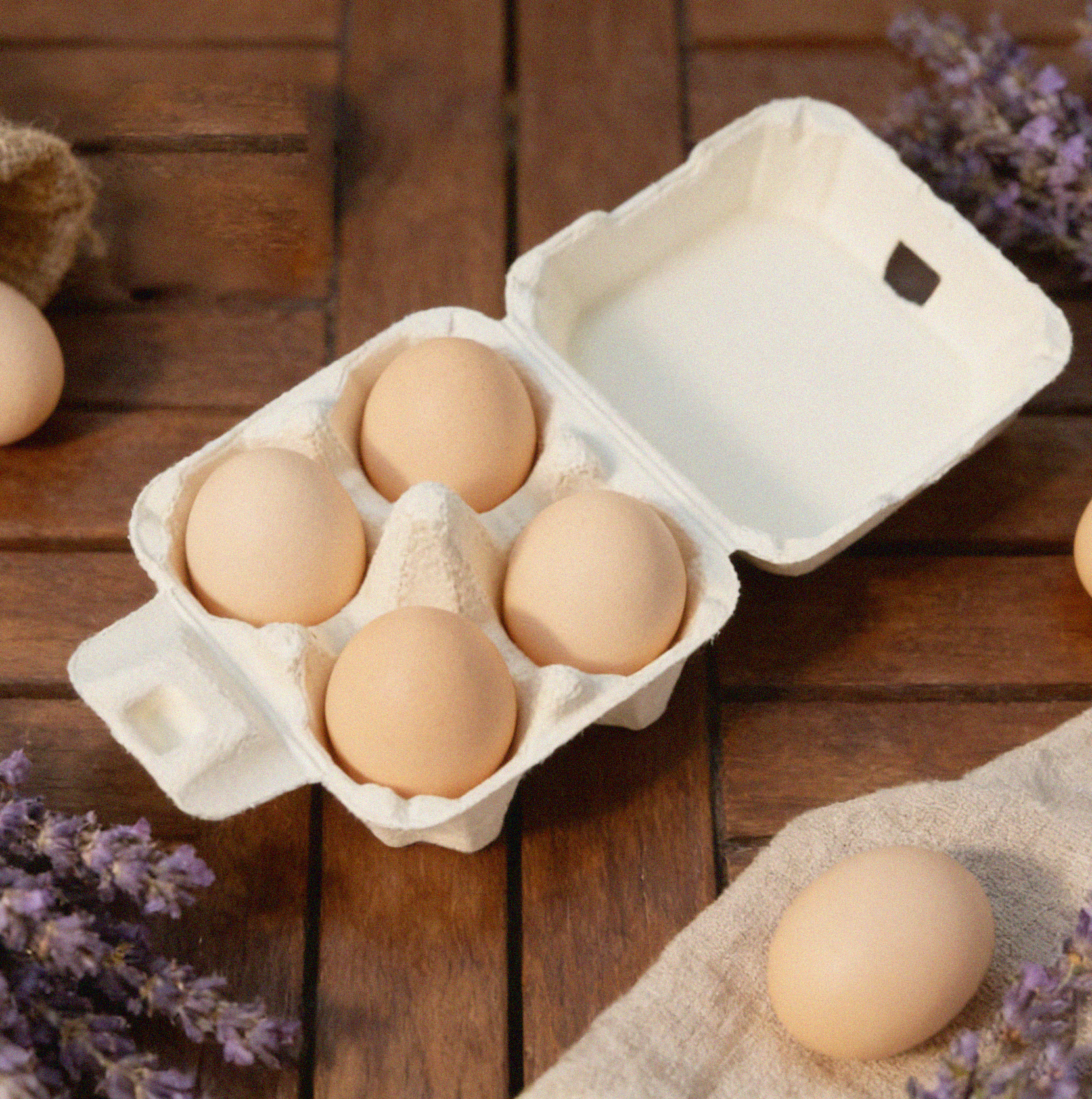
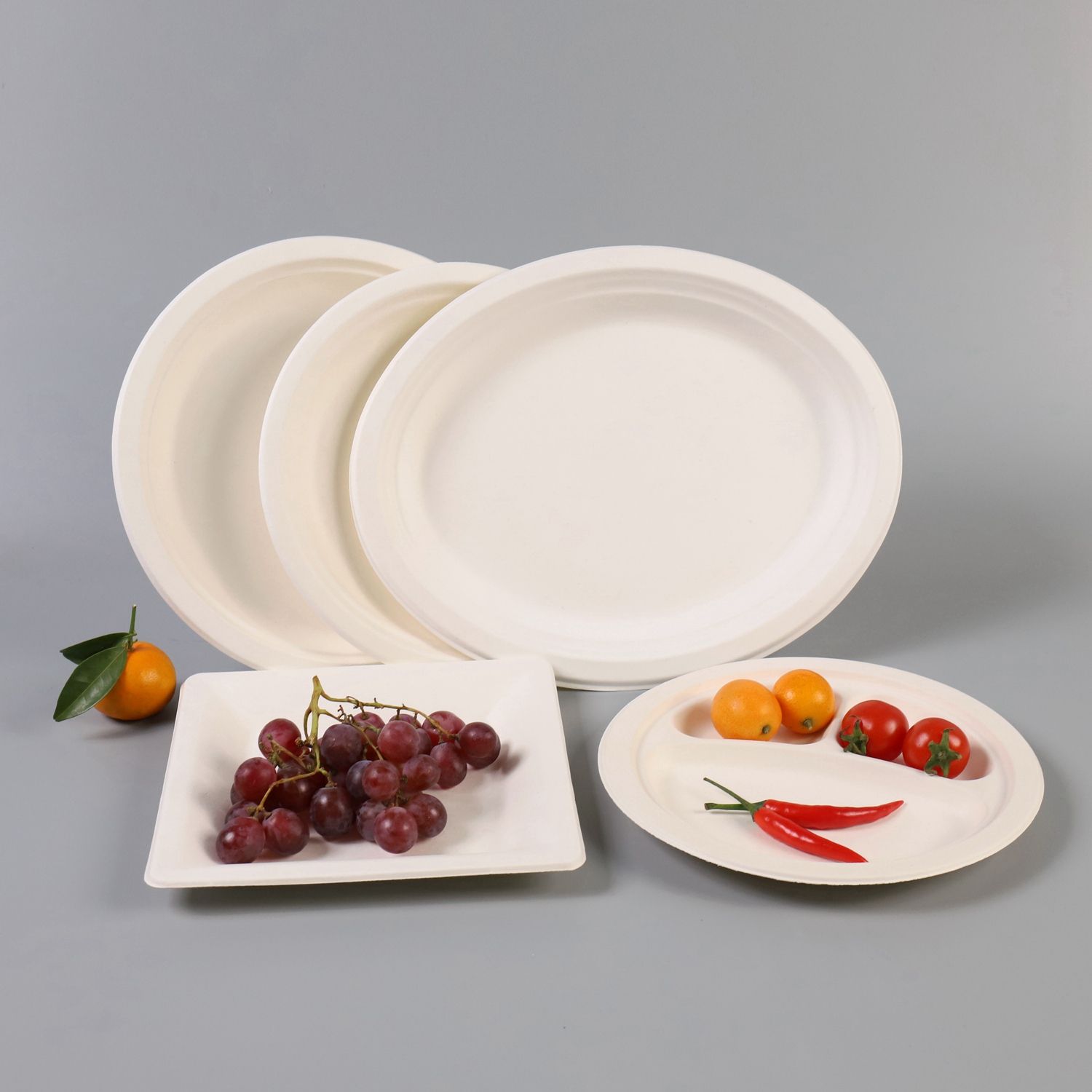
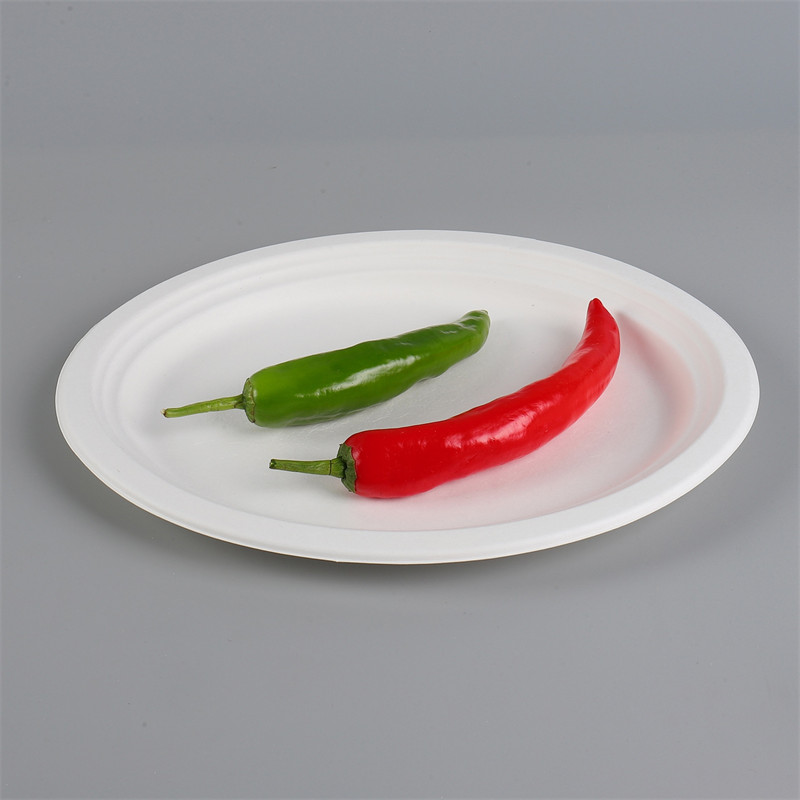
Featured Biodegradable Products
Our top-recommended eco-friendly packaging and bio cup solutions for the Cameroonian market.
The Growing Market for Recyclable Bio Cups in Cameroon
Cameroon is currently witnessing a significant ecological and industrial shift. As the largest economy in the Central African Economic and Monetary Community (CEMAC), Cameroon is leading the regional transition towards sustainable development. The local food service, hospitality, and agricultural sectors are rapidly moving away from single-use plastics. In cities like Douala, Yaoundé, and Garoua, businesses are actively searching for high-quality Bio Cups Recyclable Exporters to supply eco-friendly packaging alternatives that align with local environmental regulations and satisfy the eco-conscious Cameroonian consumer base.
Why the Shift to Bio Cups Matters in Cameroon
The Ministry of Environment, Nature Protection and Sustainable Development (MINEPDED) in Cameroon has tightened regulations on non-biodegradable plastics. This policy framework has pushed local restaurants, juice bars, hotels, and corporate offices to adopt biodegradable cups made from plant-based materials like PLA (polylactic acid), sugarcane bagasse, and bamboo fiber. These renewable resources decompose naturally without leaving toxic residues, making them ideal for the country's developing composting networks.
Industrial and Commercial Landscape in Major Cities
In Douala, the economic heart of Cameroon, the food and beverage industry is booming. Street food vendors, modern cafés, and juice bars catering to the middle class are adopting biodegradable cups for cold juices, coffee, and tea. Meanwhile, in Yaoundé, the political capital, corporate events, government summits, and eco-tourism lodges are driving the demand for premium, branded compostable tableware. The local agricultural sector also utilizes biodegradable packaging for dairy products and fresh juices, presenting a massive opportunity for importers who source directly from global manufacturers like MVI ECOPACK.
A Green Practitioner With Over 15 Years Of Dedication
MVI stands for May (Renewal) and Vision. Founded in Nanning, China in 2010, we are committed to making sustainable packaging an accessible and effortless choice for businesses worldwide.
As your Lightweight Green Partner, we specialize in producing fully biodegradable and compostable tableware and food packaging from renewable materials like sugarcane bagasse, cornstarch, and wheat straw. All products meet international standards, including FDA and OK COMPOST. As a supplier to the 2012 London Olympics, we understand the demands of a global stage. Today, we leverage mature OEM/ODM capabilities and factory-direct efficiency to provide cost-effective, reliable, and compliant solutions for catering chains, supermarkets, brands, and traders across the globe. We believe true sustainability should be simple, high-quality, and within reach.
Our Vision: Making Green Packaging a Global Consensus
With 15 years in eco-packaging, we know your top needs: compliance, stable quality, and cost-effectiveness. That’s why we build “sustainable standardization” into every production step—breaking the “eco = expensive” myth. Now, our clients can easily get high-quality biodegradable tableware without overspending. We always believe that when biodegradable packaging becomes a business staple, it stops being a cost—it becomes a driver for long-term brand growth.

Honor Nature - Turn Waste into Eco-Gifts
Made from bagasse and wheat straw, our packaging naturally degrades in 90 days - cutting burning and carbon emissions for a cleaner planet.

For You — Eco Made Easy
Certified, factory-direct, and customizable. We solve your sustainability challenges without adding unnecessary operational costs.

With Our Team — Belief Creates Quality
A team committed to better materials, lower energy use, and constant improvement. When we believe in "waste-to-value," premium quality comes naturally.
Bio Cups Recyclable Pricelist & Import Guide for Cameroon
Understanding the pricing structure of imported recyclable bio cups is crucial for distributors and wholesalers in Cameroon. The final price of bio cups is determined by several factors: the type of raw material used (e.g., PLA, bamboo fiber, or sugarcane bagasse), the thickness of the cup, custom branding options, and shipping costs from our manufacturing facility to the Port of Douala. Below is an indicative pricelist for bulk orders of our premium recyclable bio cups and lids, designed to help Cameroonian importers plan their procurement budgets.
| Product Description | Material | Size / Volume | MOQ (pcs) | Estimated Price (FOB, USD/1,000 pcs) |
|---|---|---|---|---|
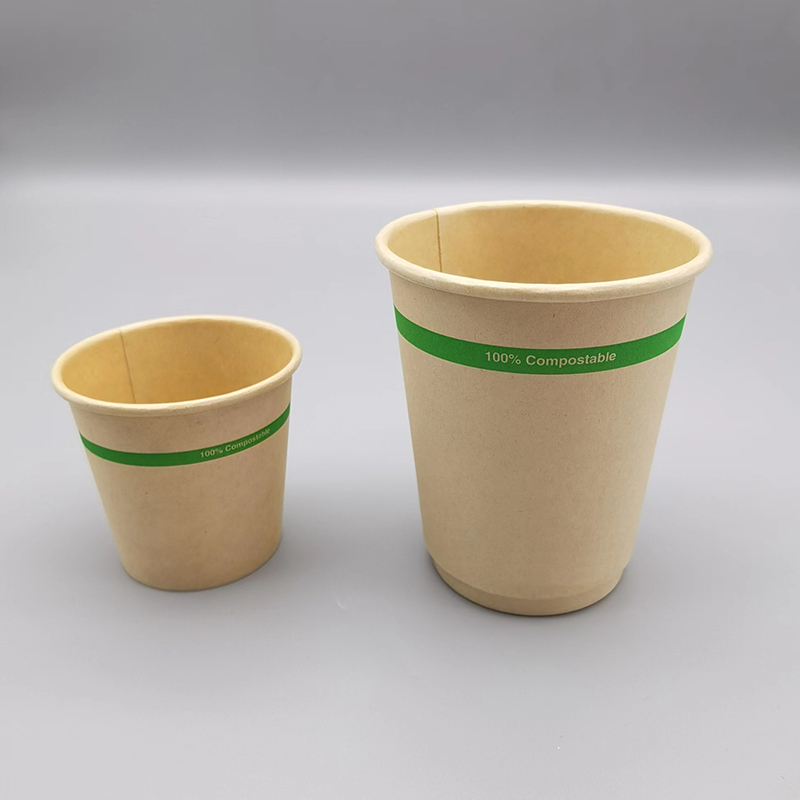
| Bamboo Fiber Water-Based Coating Paper Cup | Bamboo Fiber + Water-based Coating | 8 oz / 240 ml | 50,000 | $18.50 - $22.00 |
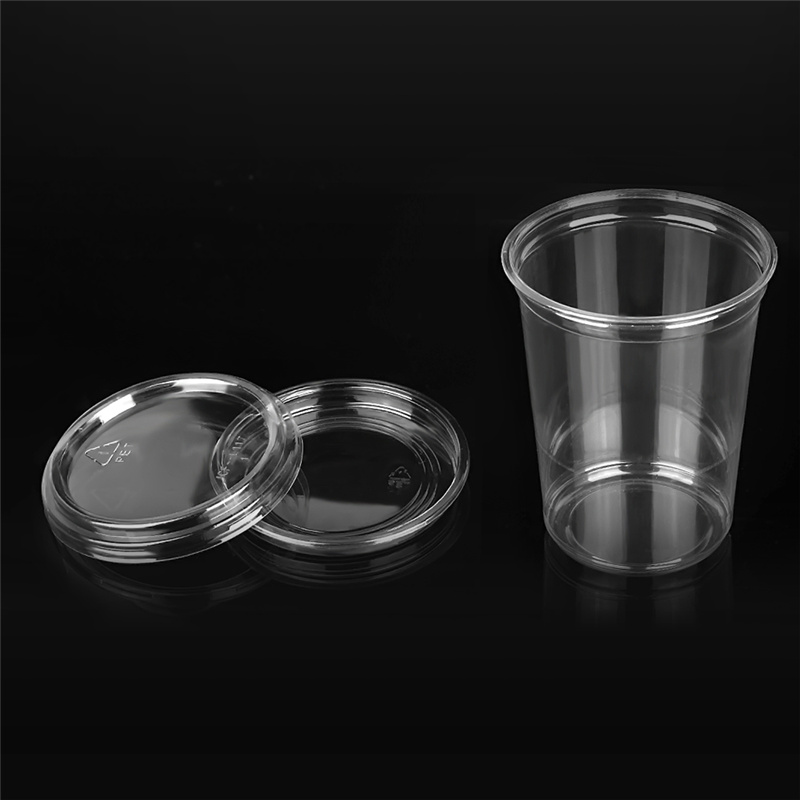
| PLA Cold Cup with Flat/Dome Lid | 100% Compostable PLA | 12 oz / 360 ml | 100,000 | $24.00 - $28.00 |
| Sugarcane Bagasse Coffee Cup Lid | Sugarcane Pulp (PFAS-Free) | 90 mm Diameter | 100,000 | $12.00 - $15.00 |
| PLA Deli Container with Separate Lid | Compostable PLA | 32 oz / 950 ml | 50,000 | $45.00 - $52.00 |
| Sugarcane Bagasse Round Plate | Sugarcane Bagasse | 9 inch / 230 mm | 50,000 | $30.00 - $35.00 |
Custom Duties and Port Clearance in Cameroon
When importing bio cups into Cameroon, importers should factor in local customs clearance processes at the Douala Port. Utilizing eco-friendly, biodegradable products can sometimes qualify for reduced customs tariffs or fast-track clearances under Cameroon's national green initiative policies. MVI ECOPACK provides all necessary documentation, including FDA certificates, OK COMPOST certifications, and detailed bills of lading, to ensure a seamless import experience.
Localized Application Scenarios in Cameroon
Hotels and beach resorts in Kribi and Limbe are positioning themselves as eco-friendly destinations. Replacing plastic cups and plates with biodegradable alternatives enhances their brand image and preserves the beautiful Cameroonian coastline.
Young, urban consumers in Cameroon are increasingly demanding green options. Cafés serving local Cameroonian coffee and fresh tropical juices can use water-based coating bamboo cups and PLA cold cups to demonstrate their commitment to the environment.
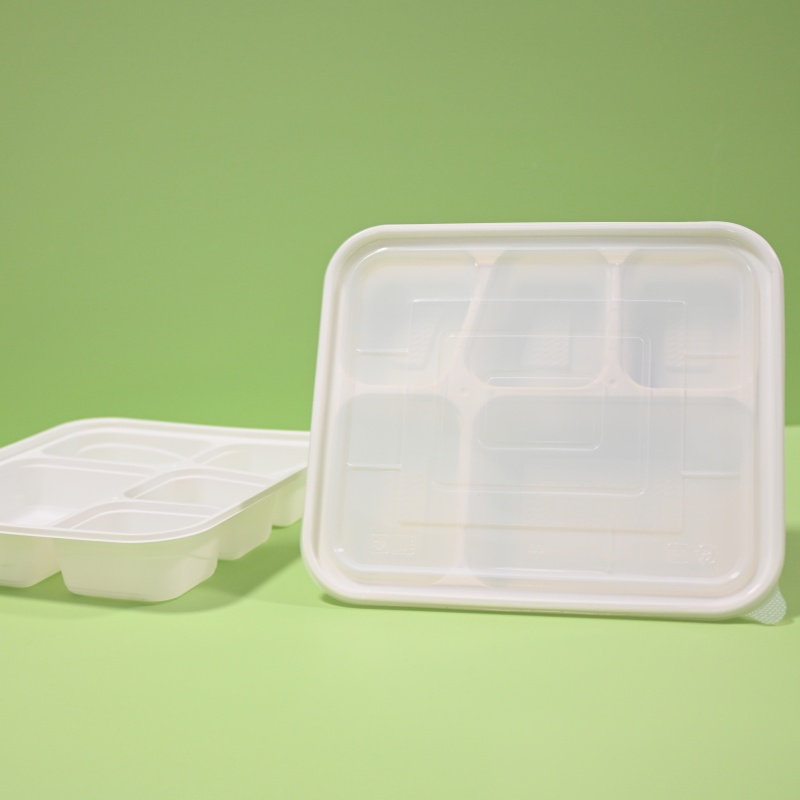
Multinational companies and government offices in Yaoundé are adopting sustainable procurement practices. Using compostable coffee cups and lunch boxes in corporate cafeterias is an easy way to meet corporate social responsibility (CSR) goals.
MVI ECOPACK Factory Strength & Capacity
Replacing Styrofoam and petroleum-based plastics with compostable products made from waste and plant materials.
Shop By Material


Our History Milestones


Our Exhibitions
For Over A Decade, MVI ECOPACK Has Showcased Its Strength At Major Global Trade Shows, Including The Canton Fair And The Hong Kong Mega Show—Earning Industry Recognition And Long-Term Trust From International Clients.


Technical Insights: The Science of Recyclable Bio Cups
Not all bio cups are created equal. To succeed in the Cameroonian market, importers must understand the technical specifications that make bio cups both functional and truly compostable. MVI ECOPACK utilizes advanced plant-based polymer technology and natural fibers to manufacture products that can withstand extreme hot and cold temperatures without losing structural integrity.
PLA (Polylactic Acid) vs. Sugarcane Bagasse
PLA is a bioplastic derived from fermented plant starch (usually cornstarch). It is crystal clear, making it perfect for cold beverages, milkshakes, and iced coffees popular in Douala's upscale cafés. However, PLA is sensitive to heat. For hot beverages like local Cameroonian coffee or hot tea, sugarcane bagasse and bamboo fiber cups coated with water-based coatings are the preferred choice. Sugarcane bagasse is the fibrous residue left after extracting juice from sugarcane stalks. This material is naturally heat-resistant, microwave-safe, and decomposes within 90 days in a commercial composting facility.
PFAS-Free and Food-Safe Certifications
Many cheap paper cups use plastic linings or harmful chemicals (like PFAS) to prevent leaking. MVI ECOPACK's products are 100% PFAS-free and utilize food-grade water-based coatings. This ensures that the cups are completely non-toxic and healthy for consumers, complying fully with FDA and European Union food contact regulations.
The Future of Green Packaging in Cameroon
As urbanization continues to rise in Cameroon, waste management has become a critical challenge for municipal governments. By importing biodegradable tableware, local businesses can play a proactive role in reducing the volume of plastic waste that clogs drainage systems and causes urban flooding. The transition to recyclable bio cups is not just a trend; it is an environmental necessity that helps build a circular economy in Central Africa.
Our Complete Biodegradable Product Line
Explore our full range of eco-friendly packaging items, available for bulk export to Cameroon.